
The modifiable templates are a follow-up to a similar notification the organization created in 2019 for lender use.

-
Kerry Killinger, former CEO of Washington Mutual, says the asset bubbles and increased consumer debt that contributed to his company's failure are reappearing.
April 30
-
The 18.3% self-employment percentage of borrowers is below the combined 2020 and year-to-date 2021 average prime RMBS level of 19.3%, according to a presale report from Kroll Bond Rating Agency.
April 30
-
Wisconsin Electric Power Co. will assign receivables from EC costs levied on monthly customer bill payments. The securitization strategy is expected to save ratepayers $41 million over traditional rate-based financing.
April 30
-
Deals, trends and research in structured finance and asset-backed securities for the week of April 23-29
April 29
-
The West Palm Beach, Fla.-based lender sees an opportunity for even more growth after its deal to acquire a servicing portfolio from Texas Capital Bank.
 April 29


-
The operator of 10 home-services brands is refinancing existing company debt with the securitization, according to KBRA.
April 29
-
Only $89 billion of the $362 billion in new single-family volume came from purchase mortgages.
 April 29
-
But the rate for those loan-payment deferrals remains elevated over pre-pandemic levels.
April 28 -
Outstanding middle-market U.S. collateralized loan obligations in the first quarter had a significantly reduced concentration of near-default loans being held in portfolios compared to year-end 2020
April 28 -
Federal Reserve Chair Jerome Powell is dismissing claims that loose monetary policy has led to rising home values and shrinking inventory and insists that the market is buoyed by creditworthy borrowers and investors.
April 28
-
The Consumer Financial Protection Bureau has moved ahead with an earlier proposal to postpone the full adoption of the qualified-mortgage ability-to-repay rule, citing a need to maximize borrowers' credit access.
 April 28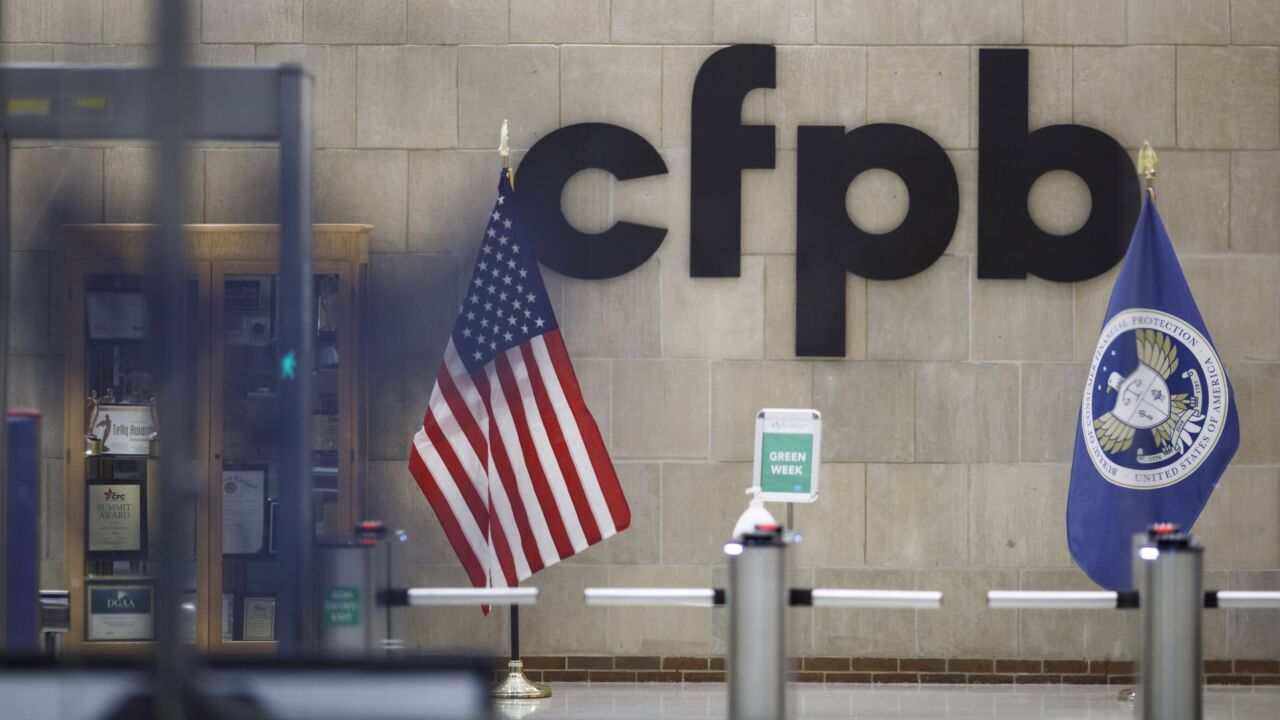
- LIBOR
The modifiable templates are a follow-up to a similar notification the organization created in 2019 for lender use.
April 27


