The deal will sell the notes through five tranches of class A, B, C, D and E notes. Classes A and B have legal final maturity dates of Nov. 15, 2030 and July 15, 2032, respectively.


-
While the three largest lenders now offer VantageScore, Bank of America Securities says two agency pulls boosts consumers scores, no matter which model.
 October 5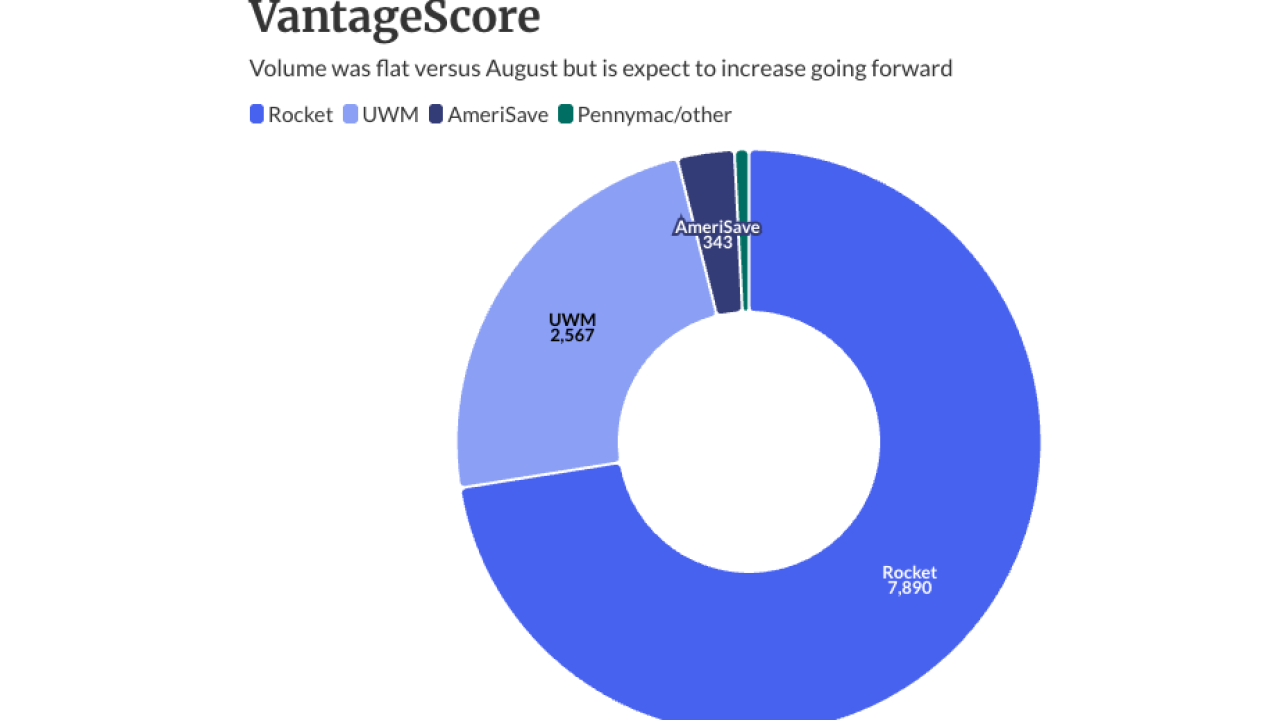
-
Fitch Ratings, noting the reduction in Wells Fargo's balances and sale of non-agency servicing, said the bank no longer meets expectations at its old grade.
October 5
-
The deal will repay due principal on a pro rata basis if the class A credit enhancement is satisfied, no cumulative net loss trigger event has occurred, and no pool balance amortization event is in effect.
 October 5
-
Agency activity dropped off by 4% in September while non-qualified mortgage issuance was down 18% in the third quarter versus the prior period, BTIG said.
October 2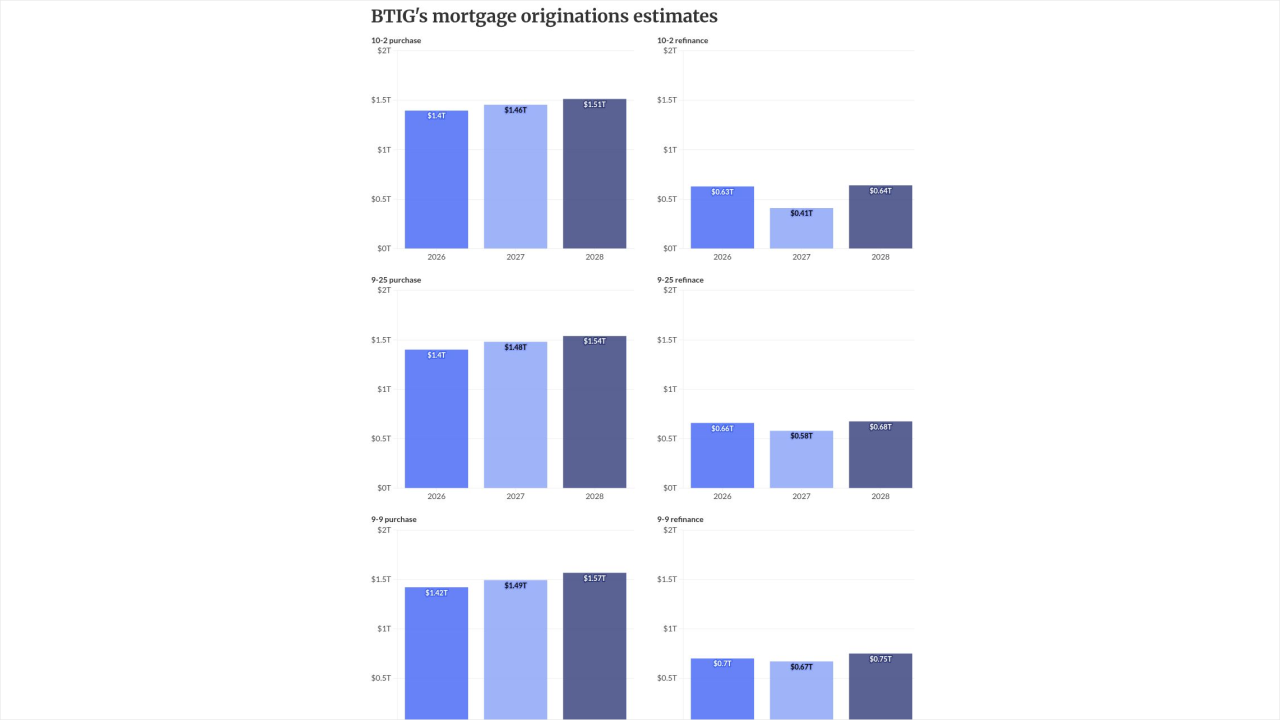
-
The economy added just 29,000 jobs in September, far below economists expectations, though the unemployment rate remained steady, indicating softening in the labor market.
 October 2


-
While the three largest lenders now offer VantageScore, Bank of America Securities says two agency pulls boosts consumers scores, no matter which model.
October 5 -
Fitch Ratings, noting the reduction in Wells Fargo's balances and sale of non-agency servicing, said the bank no longer meets expectations at its old grade.
October 5 -
The deal will repay due principal on a pro rata basis if the class A credit enhancement is satisfied, no cumulative net loss trigger event has occurred, and no pool balance amortization event is in effect.
October 5 -
Agency activity dropped off by 4% in September while non-qualified mortgage issuance was down 18% in the third quarter versus the prior period, BTIG said.
October 2 -
The economy added just 29,000 jobs in September, far below economists expectations, though the unemployment rate remained steady, indicating softening in the labor market.
October 2 -
Upstart's grade E loans account for 47.1% of the collateral pool, compared with 43.3% in the UPST 2026-3, while the concentration of 60-month loans is also lower.
September 30
-
Island CEF, a subsidiary of Gordon Brothers completed its first securitization in August, selling $265.5 million in bonds secured by equipment finance leases and loans payments.
September 30