
Federal Reserve
Federal Reserve
-
Rising oil prices sparked the declines earlier in the session, fanning worries around elevated inflation and punishing European government debt as well.
September 23 -
The U.S. economy is expected to keep growing despite nagging inflation, according to the latest consensus report from the American Bankers Association's Economic Advisory Committee.
September 23 -
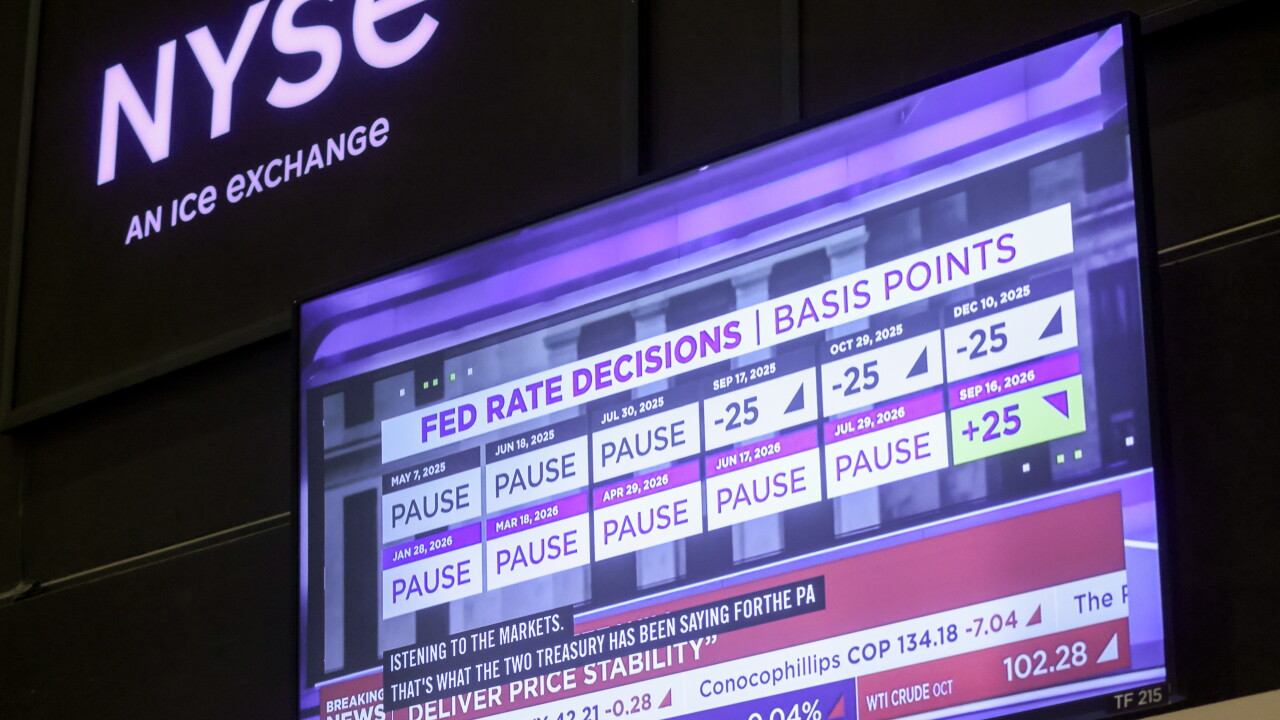
While the Fed move was expected, Chairman Kevin Warsh's rhetoric on inflation drove up market-implied expectations for at least one more increase this year and as many as two more in 2027.
September 17 -
Waller said he was "willing to support holding the policy rate at its current level" if inflation continued moving toward the Fed's 2% target.
September 3 -

Markets are still pricing in an increase in the federal funds rate later this month, but Federal Reserve Gov. Michael Barr said his vote will depend on incoming unemployment and inflation data.
September 1 -
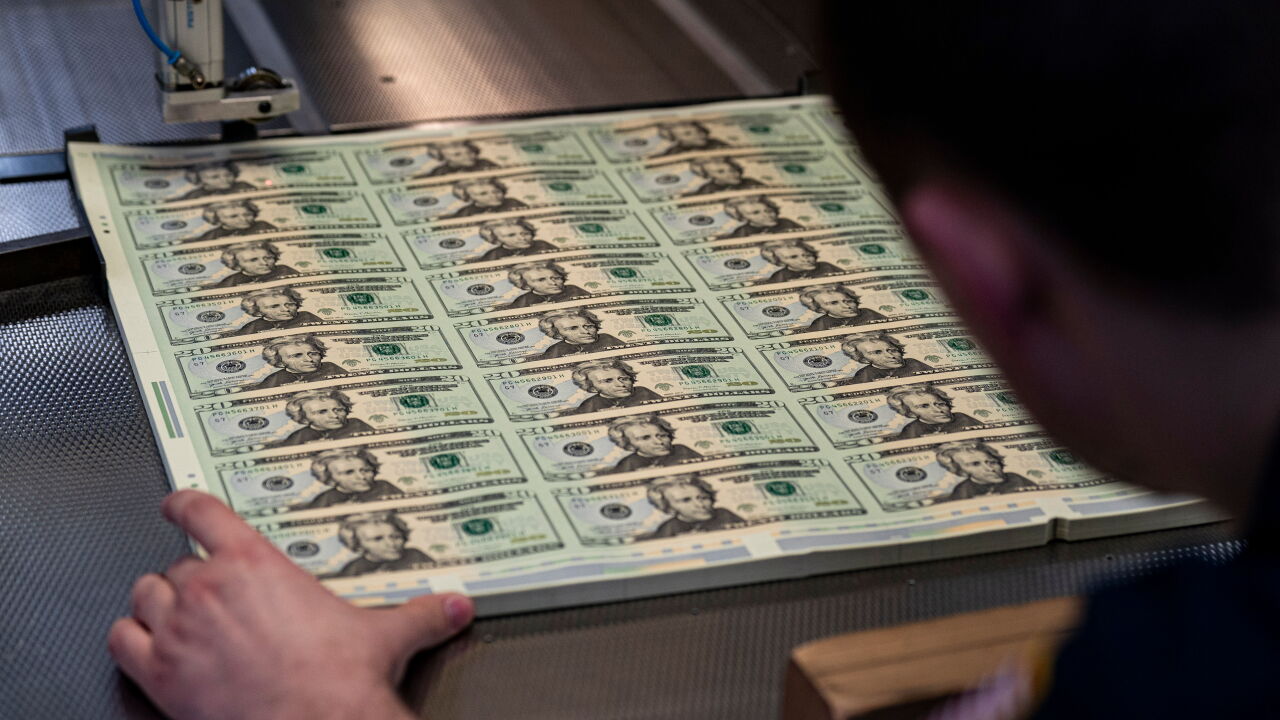
The dollar is trading at a three-month low after the Treasury's surprise midweek announcement that it would double the amount of longer-dated bonds it can repurchase ahead of schedule.
August 21 -
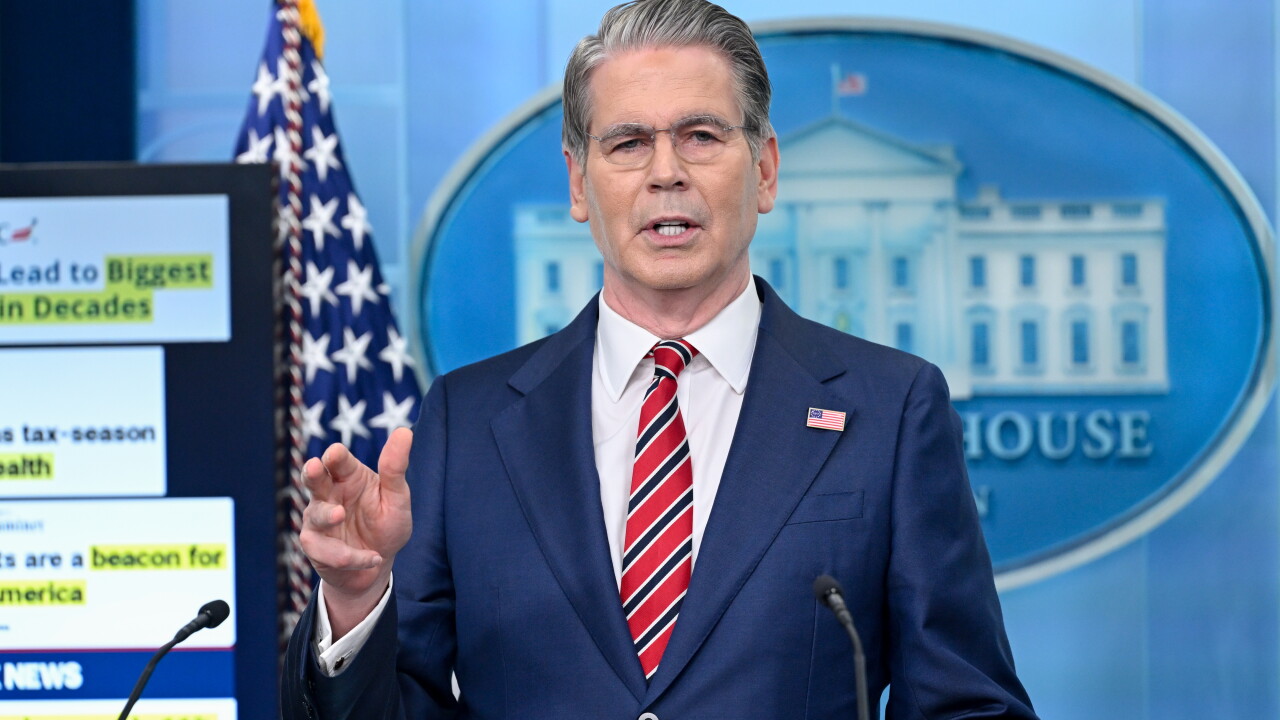
His action after 10-year Treasury yields, his self-specified financial benchmark, rose above where they were before Trump returned to office, shows mounting worries in Washington.
August 20 -
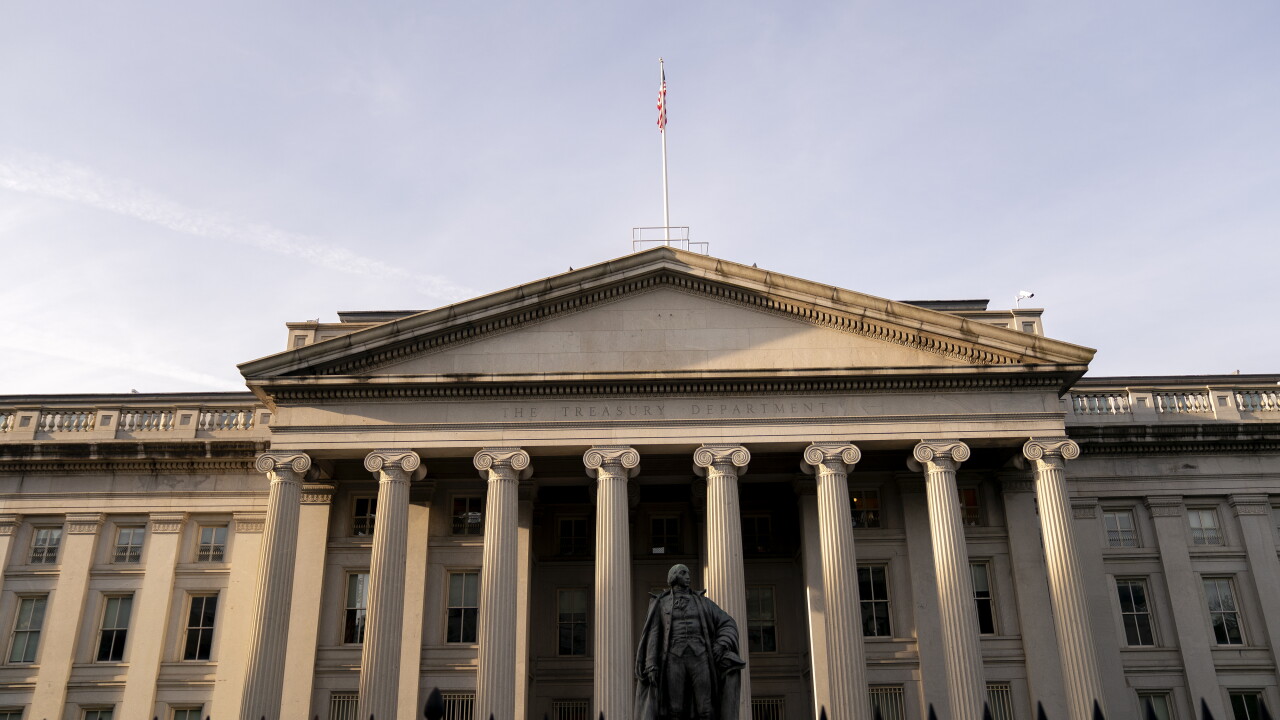
The new plan drove yields on the longest bond lower by nearly 10 basis points to 5.18%, pulling them back from their highest levels since 2007. The dollar fell by the most in three months.
August 19 -
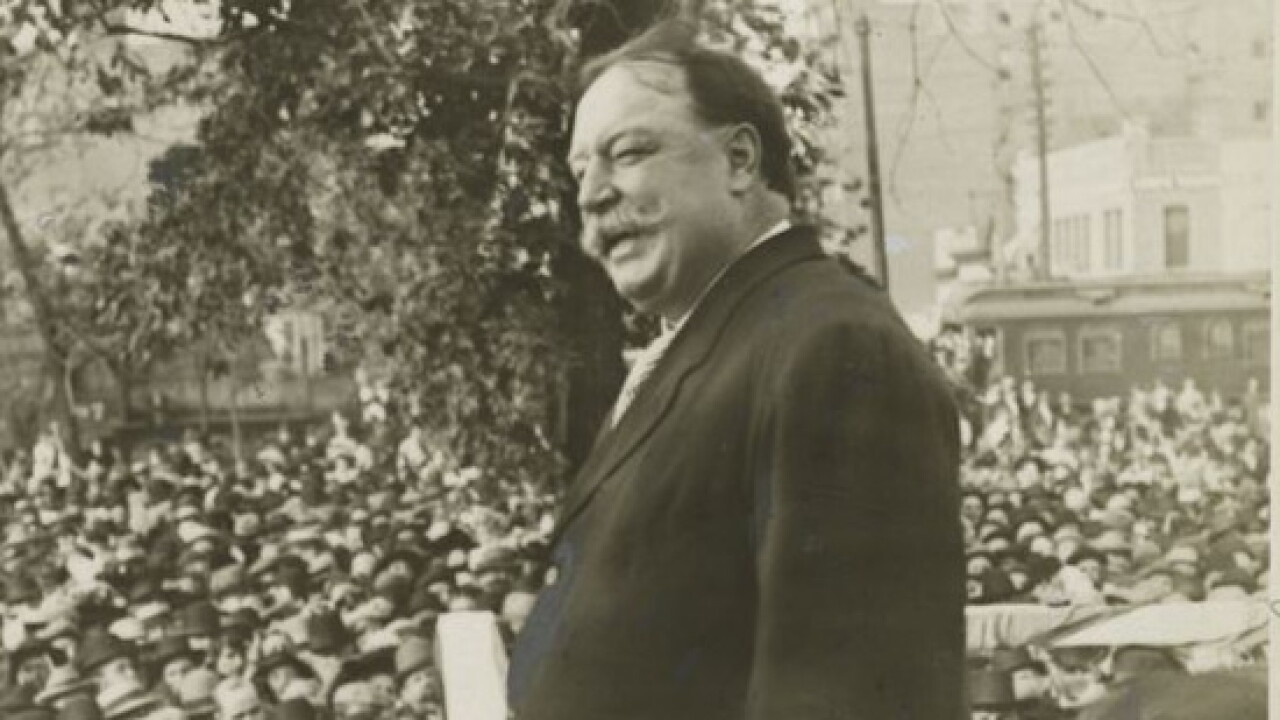
The president has initiated a for-cause process to remove the Federal Reserve Board governor from office, something only one president has successfully done before. But that century-old precedent may not offer Trump much useful guidance in his quest.
August 19 -
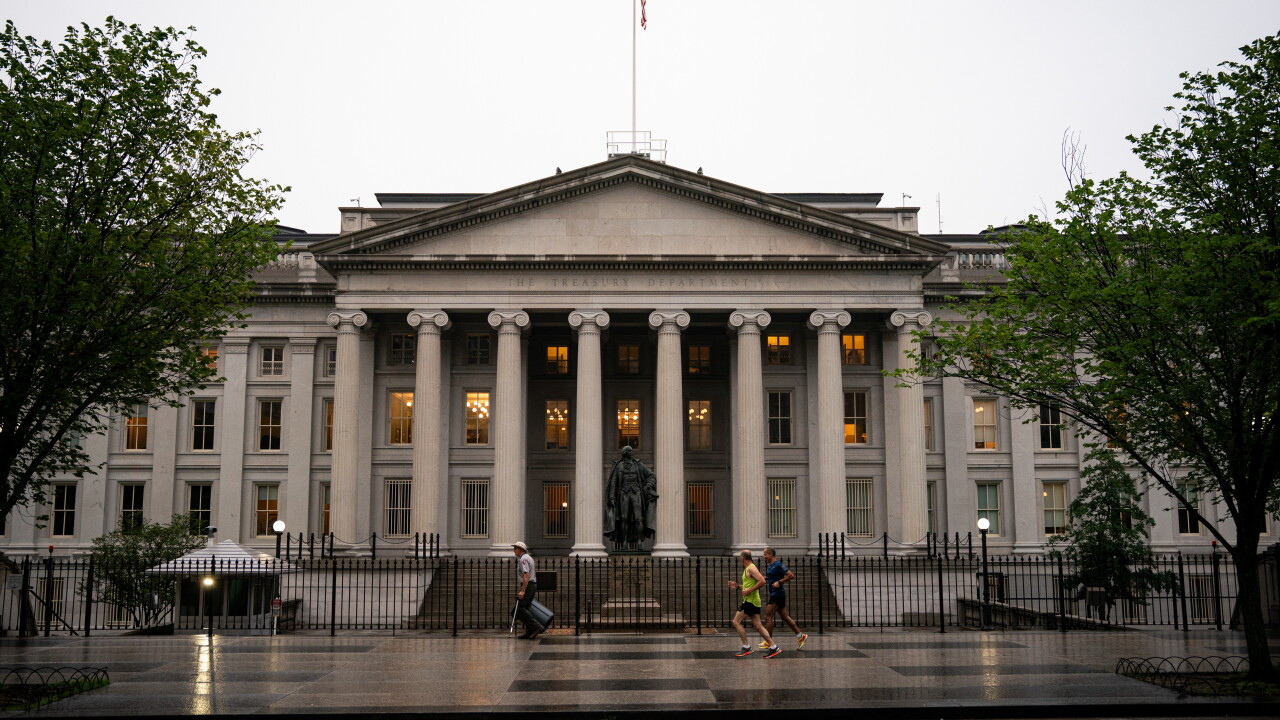
The moves were echoed across sovereign debt markets from Europe to Japan, fueled by an uncertain outlook for inflation and changing bond-buyer demographics.
August 18 -
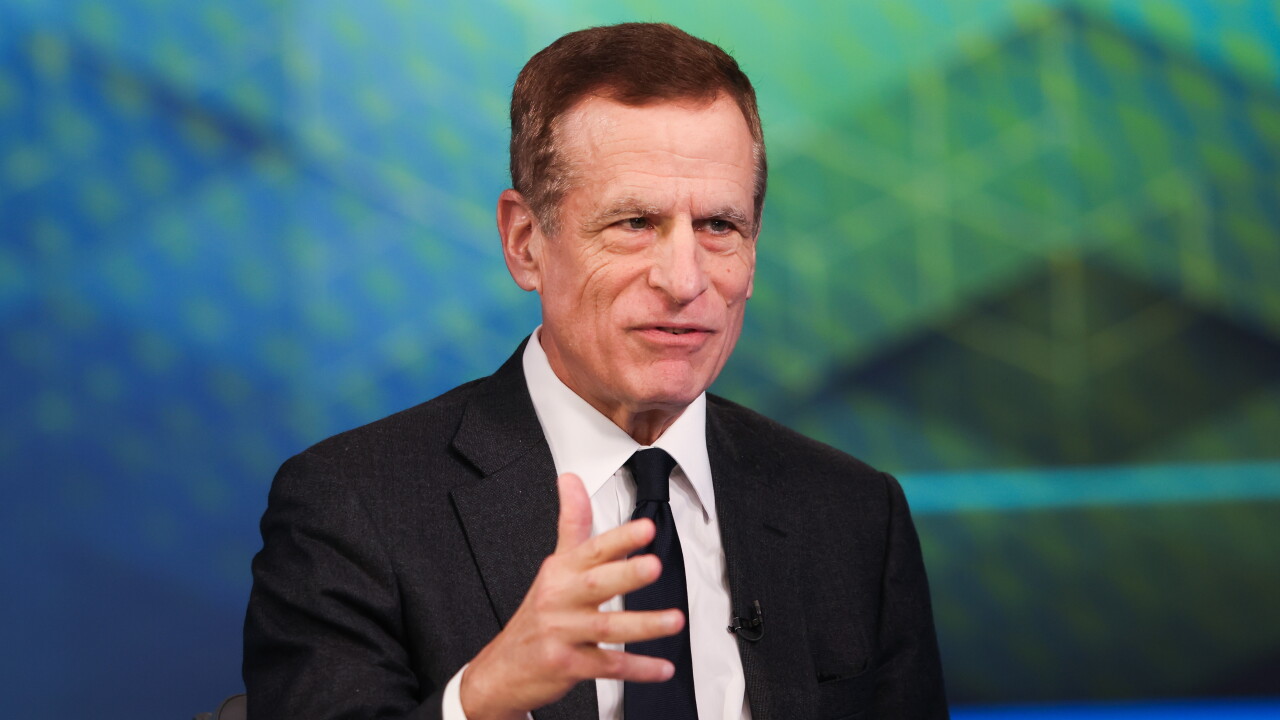
The forces he sees at work include inflationary pressures from the AI buildout, exacerbated by tariffs, labor constraints and oil-price spikes.
August 13 -

An in-line reading of the consumer price index helped US Treasuries keep their gains on Wednesday, with the two-year yield lower by three basis points to 4.18%.
August 12 -

The consumer price index ticked up last month, bolstering arguments about broad-based inflation and raising the odds of a rate hike next month.
August 12 -
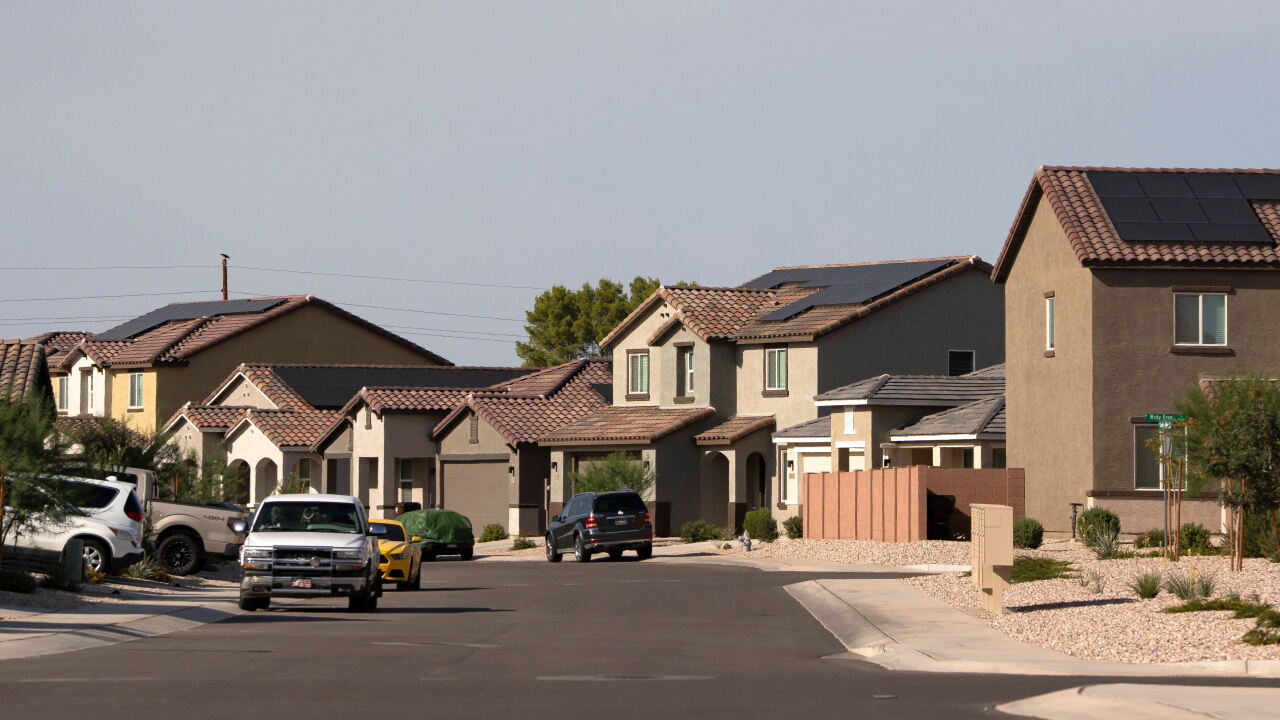
The 10-year Treasury yield rose to the highest level in more than 18 months last week after Fed Chair Kevin Warsh gave conflicting signals about the US central bank's plans to control inflation.
August 7 -
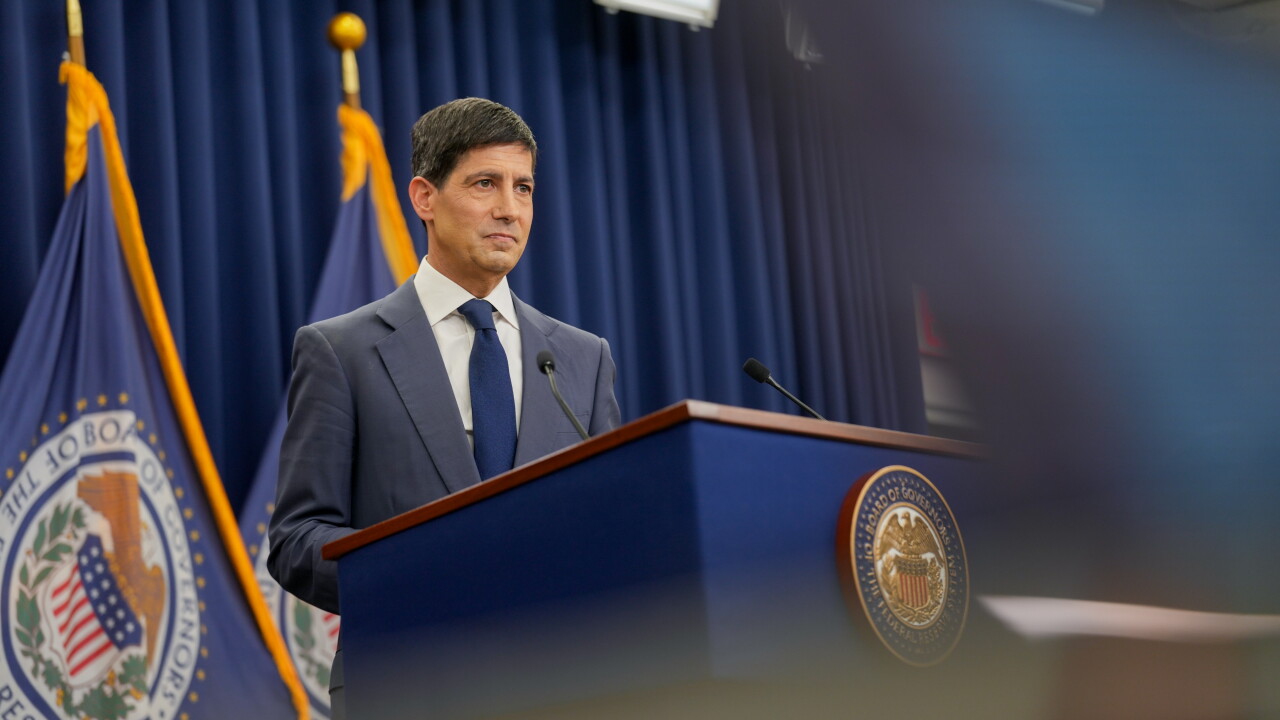 AB - Policy & Regulation
The economy lost 23,000 jobs in July, but the unemployment rate ticked down to 4.1% all the same. The development could embolden both hawks and doves at the central bank.
August 7 -
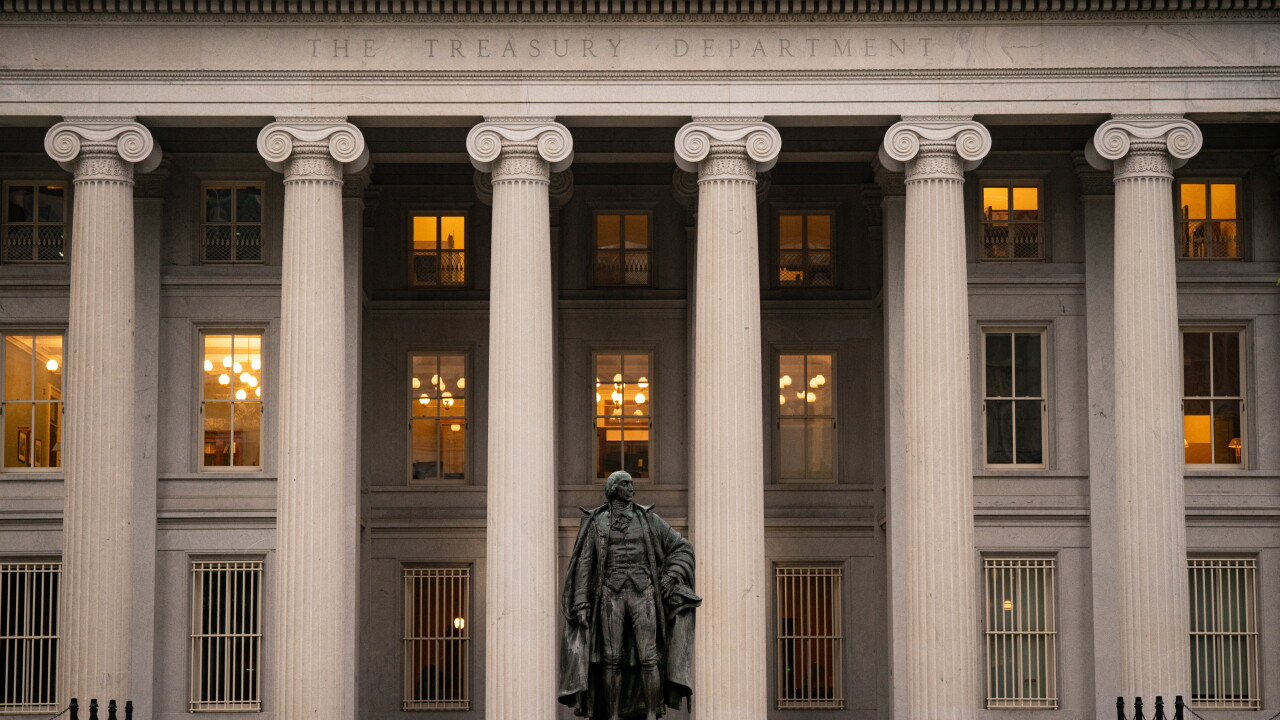
Officials expect to maintain current sales amounts for nominal interest-bearing securities — coupons — and floating rate notes "for at least the next several quarters."
August 5 -
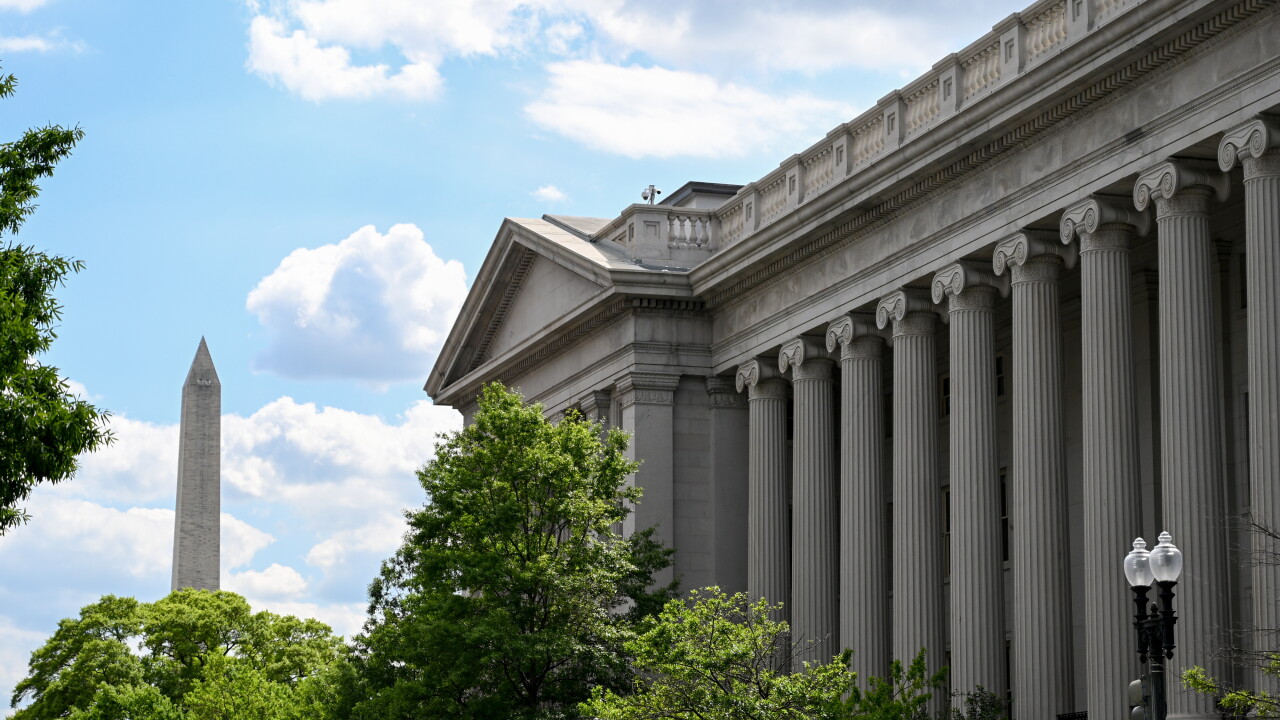
Yields fell across maturities by four to six basis points, with the yield on the two-year note reaching the lowest level since July 20 and the benchmark 10-year yield at 4.62%.
August 4 -

Shah said relying on markets to tighten financial conditions risks creating a negative feedback loop. Higher long-term borrowing costs encourage the Fed to wait longer before raising rates.
August 3 -
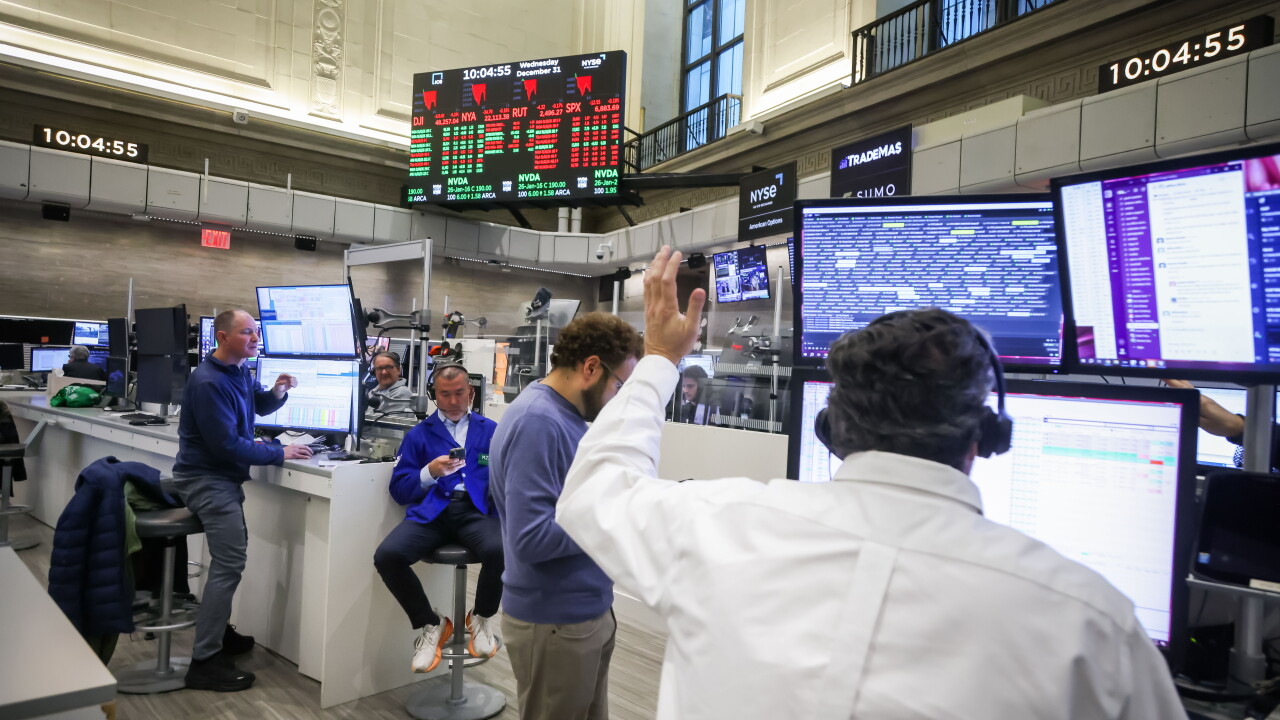
With worries that the Fed may not act quickly enough to tamp down inflation pushing 30-year yields to their highest level since 2007 in recent days, the cost of hedging against deeper losses is growing.
July 31 -
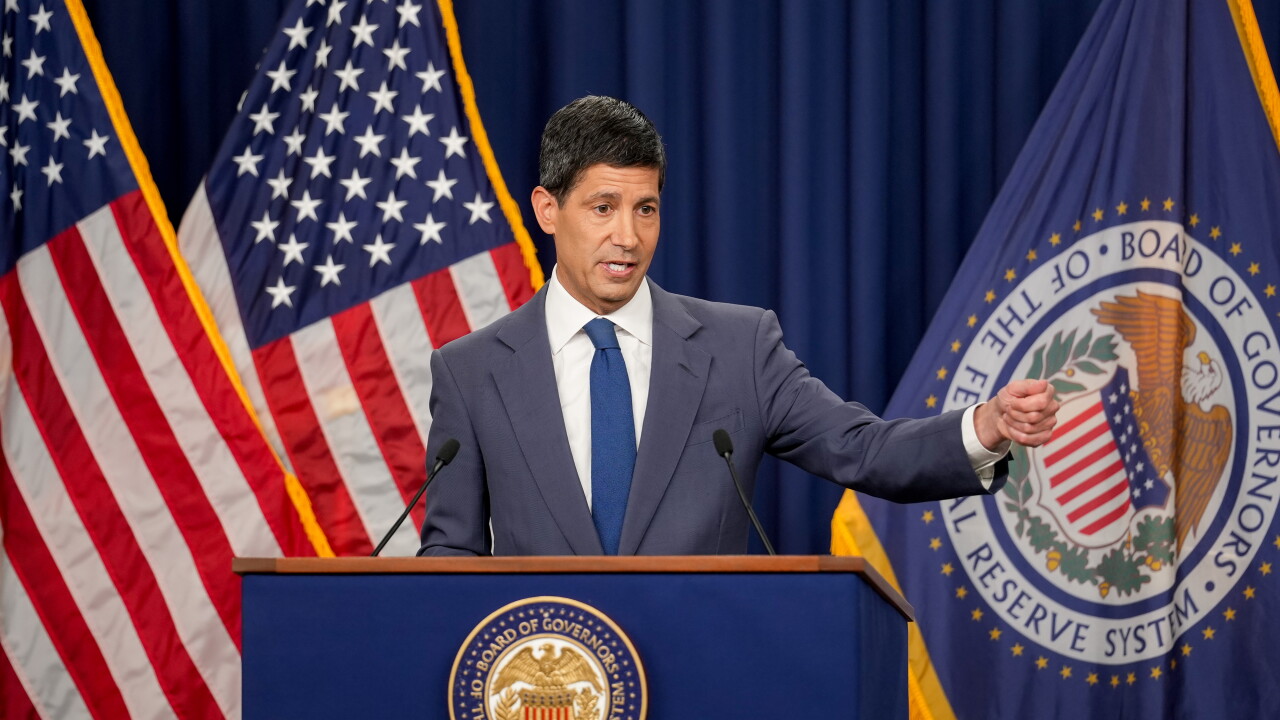
Some market participants are taking a 'hawkish hold' FOMC reading coming out of the July meeting, even as they adapt to a quieter intermeeting chairman.
July 30


