-
NHBFA's senior bonds benefit from credit support levels ranging from 17.00% to 19.70%, based on its 'AA' stressed break-even cash flow.
 September 11
-
S&P's base-case loss assumption on the deal is 4.75%, with a 'AAA' rating stress loss assumption of 30%, with losses increasing to that level over 12 months.
September 11
-
If PAID 2026-REV1 doesn't breach any triggers, then the deal might pay an annual step-up premium representing 1.00% of each class's outstanding amount.
September 4
-
OBX 2026-AHC4 is expected to pay coupons ranging from 0.50% on the interest-only, exchangeable tranches to 6.30% on senior exchangeable notes.
September 1
-
Almost all the super senior classes of notes PMT Loan Trust, 2026-INV8 —A1 through A27—are expected to pay coupons of 5.0%, 5.5% or 6.0%, the same coupons as the previous transaction.
August 31
-
For its first securitization PMCC 2026-1 will sell to noteholders through six tranches of notes, and credit enhancement coverage that begins at 67.91% on the AAA-rated, class A notes.
August 21
-
The agency says the subprime auto lender pledged the same car loans to several lenders and bond deals at once, leaving investors owed about $945 million.
 August 20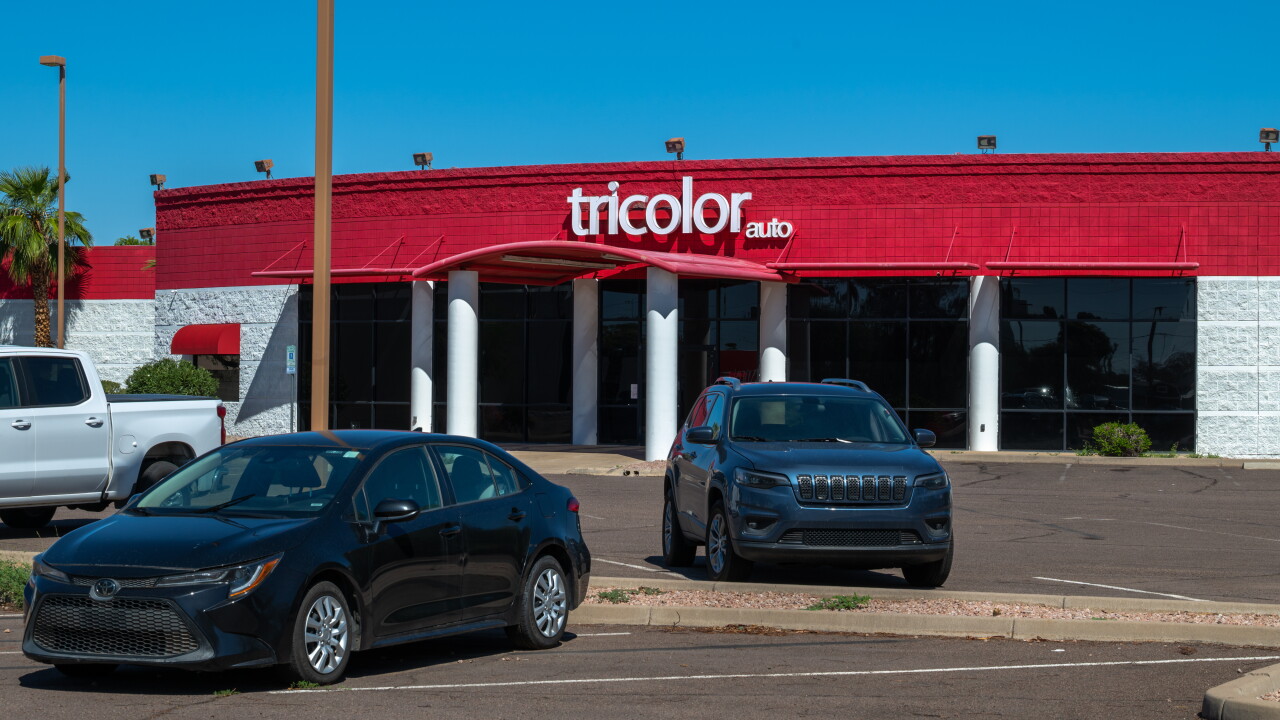
-
FHF Issuer Trust 2026-2's final distribution dates range from Sept. 15, 2027 on the class A1 notes through Jan. 16, 2034 on the class F notes.
August 19
-
Used vehicles collateralize 53.01% of the underlying loans, and loans in OCCU 2026-1 have a balance of $34,185, with an annual percentage rate (APR) of 7.54%.
August 13
-
Collateral quality is still generally in line with previous CRVNA series, however, and very recent Carvana pools have shown improvement in net credit losses from previous downturns.
August 12
-
Aqua Finance's credit enhancements include a sequential pay structure until the class A credit enhancement period is over.
August 11
-
The current deal comes to market with a shorter revolving period and a smaller collateral pool, but other traits are similar to previous deals.
August 7
-
The latest consumer conditions study from the American Financial Services Association paints a less-than-rosy picture of how lenders expect the second half of the year to play out.
 August 6
-
Assets have a non-zero credit score is 631, notably lower than previous transactions. Also, a slight majority of borrowers, 53.23%, have credit scores of 660 or lower.
August 6
-
The current pool's major loan characteristics were higher than that those seen on the RKTL 2026-2, with 60-month loans representing a higher concentration of the current pool (77.0%) compared with 73.7% on the previous deal.
August 5