-
Powell said as policymakers look for more clarity on tariff policies, the risks of higher inflation and unemployment have increased due to President Donald Trump's sweeping levies.
May 12
-
Federal Reserve Gov. Michael Barr said global supply chain disruptions and inflation caused by tariffs could weigh heaviest on small businesses, especially those with little access to credit.
 May 9
May 9
-
Treasury Secretary Scott Bessent said he expects negotiations with trading partners over tariffs to conclude by the end of the year but acknowledged that talks with China had not yet begun.
 May 6
May 6
-
The pace of hiring drove traders to dial back rate-cut bets that had steadily mounted as Trump's trade war unleashed havoc in financial markets and sowed fears of a US recession.
May 5
-
The Federal Reserve's preferred inflation reading fell in March, but the positive reading came before new trade policies hit the economy.
April 30
-
The potential for a global trade war has largely undone the optimism that the industry exhibited at the beginning of the year. Here's a look at three ways that tariffs could negatively impact banks.
April 30
-
The outperformance of local-currency debt has led to an unusual situation where the historically riskier bonds are trading at lower yields than those denominated in the dollar — traditionally the world's main haven asset.
April 21
-
US bonds have been whipsawed this month as President Donald Trump's move to impose global tariffs raised threats to the economy, undermining Treasuries' reputation as the world's safest asset.
April 16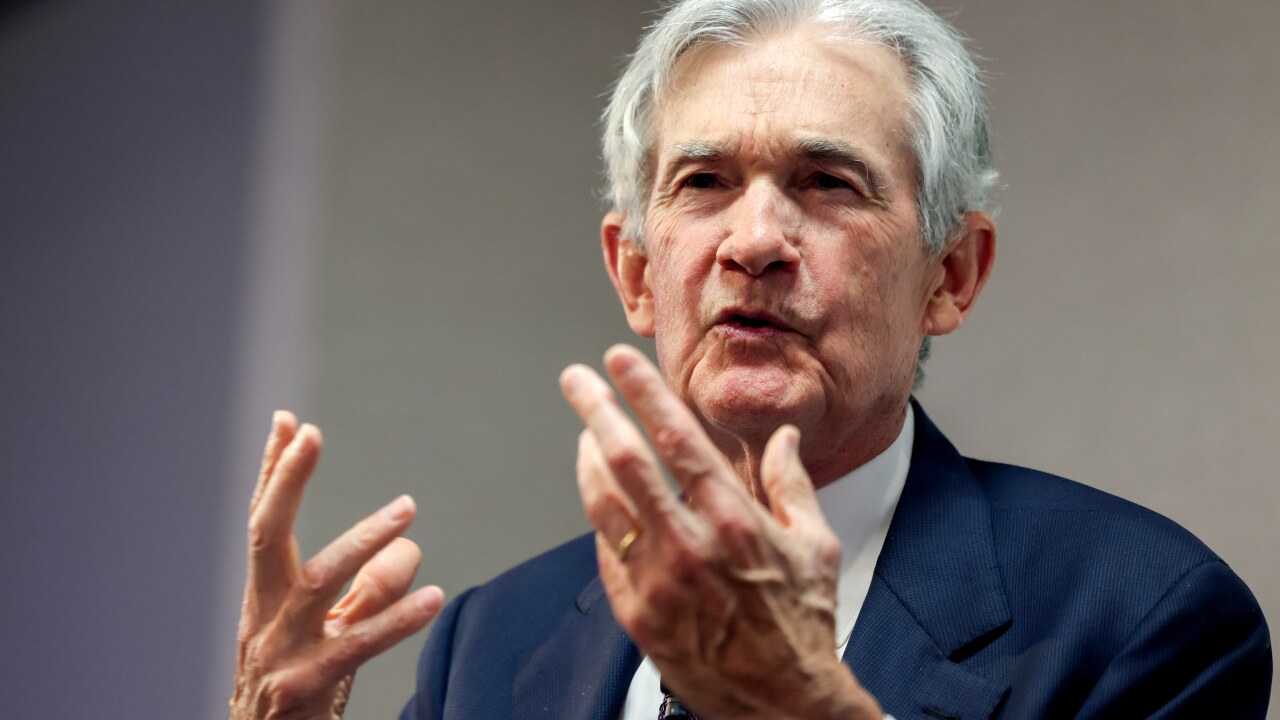
-
The rebound in bonds eased concerns that built last week, when a steady rise in yields threatened to deal the US economy another hit by pushing up the cost of all kinds of loans.
April 15
-
Bessent reiterated his interpretation of the decline being mainly a product of deleveraging, saying he had no evidence that sovereigns were behind the drop.
April 14
-
After rapid changes in U.S. trade policy, banks and their clients are putting merger deals on ice until the dust settles.
April 11
-
Investor confidence in US bonds can no longer be taken for granted — not after a years-long borrowing binge, not with a president hell-bent on rewriting the rules at home and abroad and antagonizing many of the country's biggest creditors.
April 11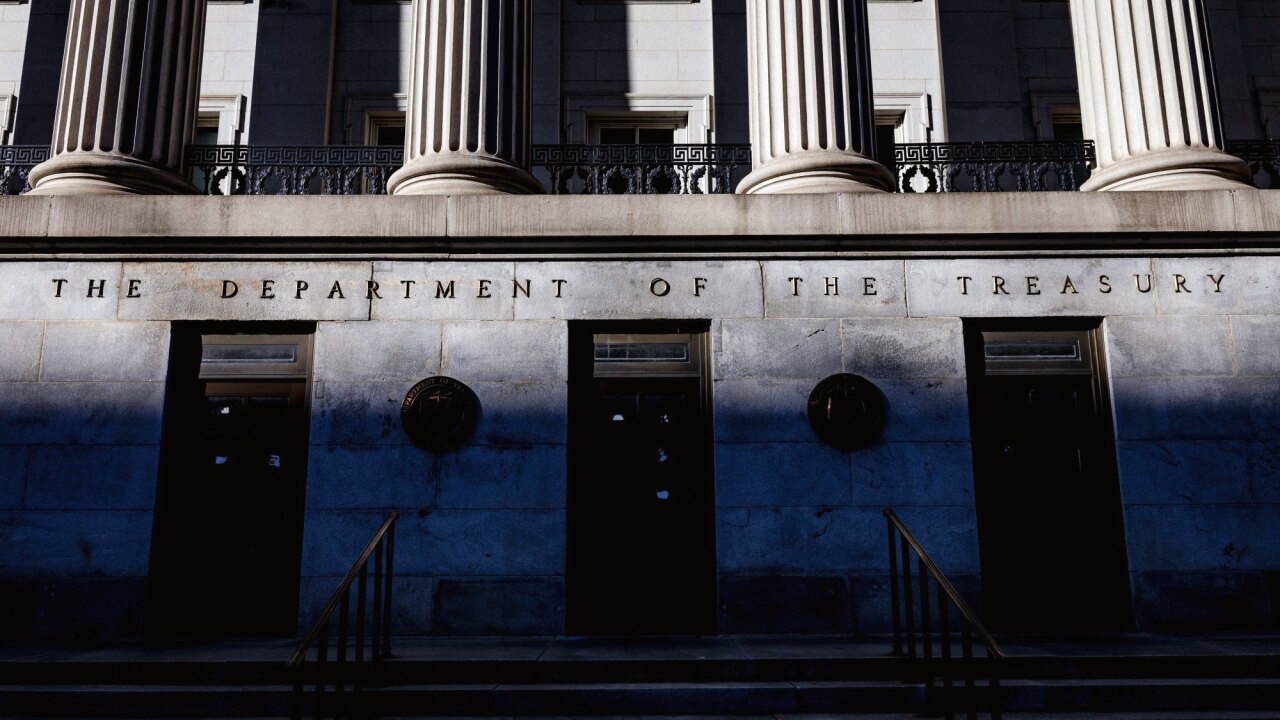
-
The slowdown reflected a decline in energy costs, used vehicles, and airfares. Motor vehicle insurance — a main source of inflation in recent years — also retreated.
April 10
-
Pres. Trump's decision to pause most of the tariffs has sparked a rally in the stock market, but the 10-year yield, while off of its peak, remains higher.
 April 9
-
The yield on 30-year Treasuries briefly pushed over 5% in Asia and the pressure seeped into other markets, with yields rising sharply in Australia, the UK and in the developing world.
April 9
-
In a speech at the American Bankers Association Washington Summit Wednesday morning, Treasury Secretary Scott Bessent downplayed economic risks from tariffs, floated capital reforms and urged regulatory relief for community banks.
April 9
-
Federal Reserve officials want to see how exactly new trade policies impact the U.S. economy before adjusting interest rates. Markets and monetarists have different ideas about what that might look like.
April 8
-
JPMorgan Chase's CEO emphasized his concerns about geopolitical conflict and brought up recent culture shifts at the bank in his annual letter to shareholders.
 April 7
-
The growing fears about the outlook for the global economy extended far beyond stocks. Oil tumbled on speculation demand will slow.
April 5
-
The impact of tariff policy on the mortgage-backed securities market is likely to surface first in the cost of new housing construction.
April 3


