
JPMorgan Chase


JPMorgan Chase is one of the largest and most complex financial institutions in the United States, with nearly $4 trillion in assets. It is organized into four major segmentsconsumer and community banking, corporate and investment banking, commercial banking, and asset and wealth management.
-

Credit premiums remain subdued and downside protection across risky assets is still relatively cheap. Even the strain in market plumbing has been concentrated.
September 6 -

At 2.5 million square feet, The Franklin has a NOI of $45 million and a rating agency cap rate of 9.75%.
September 3 -

JPMorganChase, Goldman Sachs, Citi, Morgan Stanley, Wells Fargo and Bank of America are among the biggest backers of data centers. Community opposition isn't slowing them down, but it's making them rethink their approach to managing risks.
August 31 -

The deal structure includes a lock-out feature that will redirect the portion of the subordinate principal among other protective features like subordination.
August 20 -

As the AI borrowing spree keeps accelerating, the spillover effect is playing a growing role by taxing the market's ability to absorb so much debt.
August 17 -

Over the course of a week, he took steps that they see as aimed at easing pressure on the Treasury market after long-term rates surged to a 19-year high.
August 10 -

Kevin Warsh made his first appearance before Congress as Fed chairman Tuesday and noted that policymakers have no tolerance for high inflation, reiterating a vow to tame price growth.
July 14 -
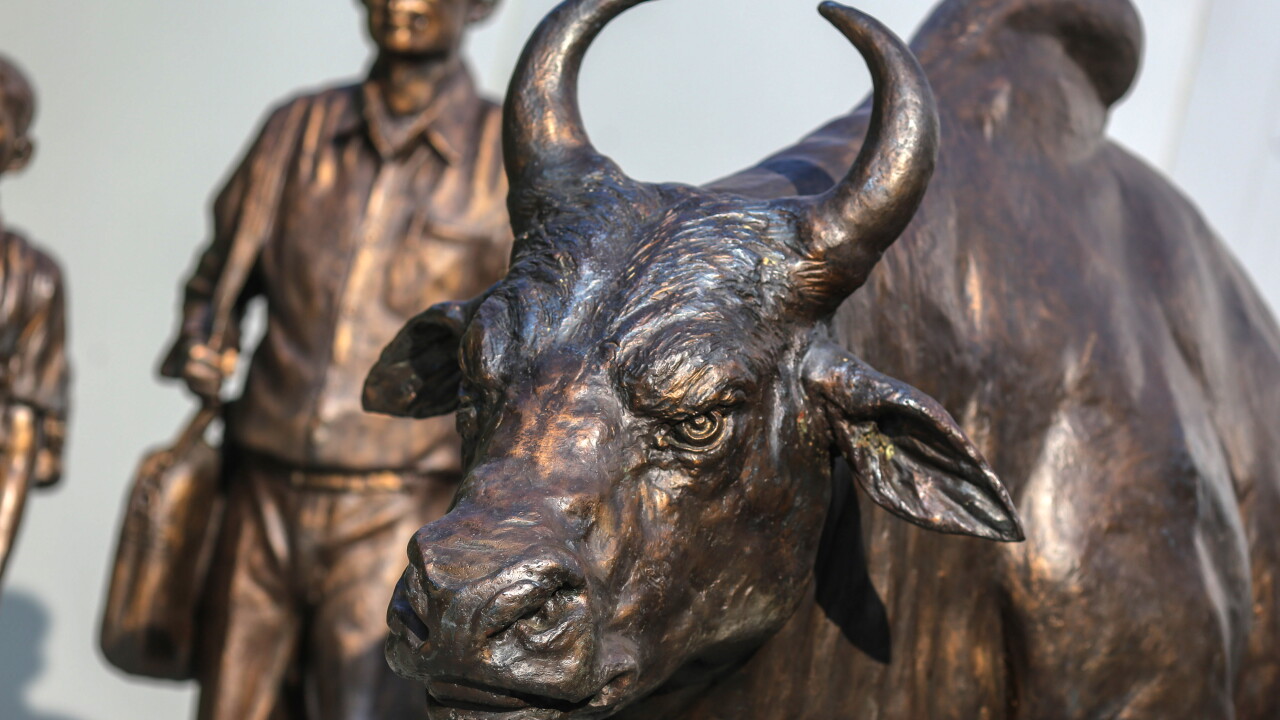
Several factors are driving the shift. India's retail credit market is growing rapidly, creating more loans that can be bundled and sold as securities.
June 22 -

The bank is following in the footsteps of Goldman Sachs, which made a similar move in April.
June 18 -

The moves on Monday pushed yields lower on most tenors, led by shorter maturities that are among the most sensitive to changes in monetary policy.
June 15 -

Self-employed borrowers represent just 23.1% of the pool, and liquid reserves were $858,428 compared with 21.9% and $1 million.
June 8 -

Lenders are finding better economics by placing agency loans into private-label securities, depending on the particular situation.
May 19 -

Concerns about the fast-growing $1.8 trillion private debt market have bubbled up this year as redemption requests from retail funds accelerated.
May 5 -

Yields across maturities rose by four to six basis points, with short-dated tenors most sensitive to Fed rate changes leading the shift.
April 29 -
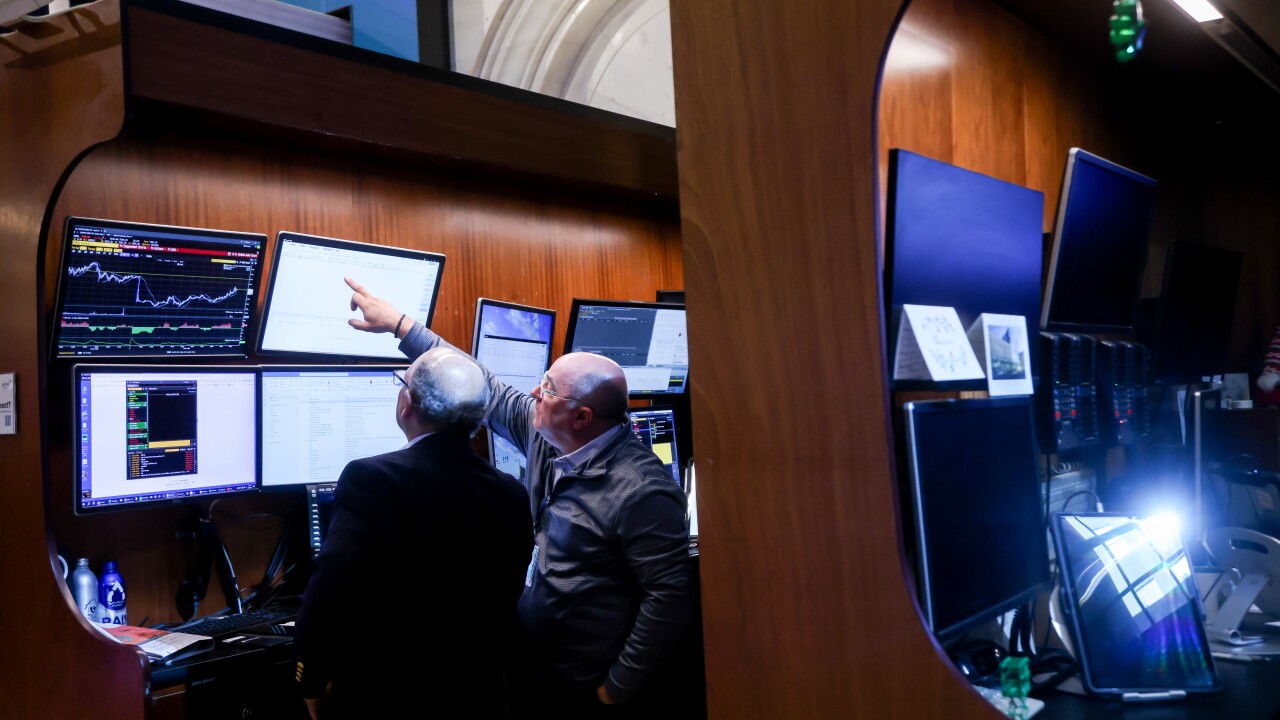
In testimony Tuesday, Warsh avoided answering questions about the near-term path of interest rates, further supporting the market's wait-and-see stance.
April 22 -

The US two-year yield, which had been trading above the central bank's current ceiling of 3.75% amid the war-related surge in oil, once again dipped backed below it as crude receded.
April 20 -

CFO Jeremy Barnum cited a "persistent miscalibration" of the surcharge on the biggest banks. JPMorgan reiterated its recommendation for changing the so-called G-SIB surcharge.
April 14 -
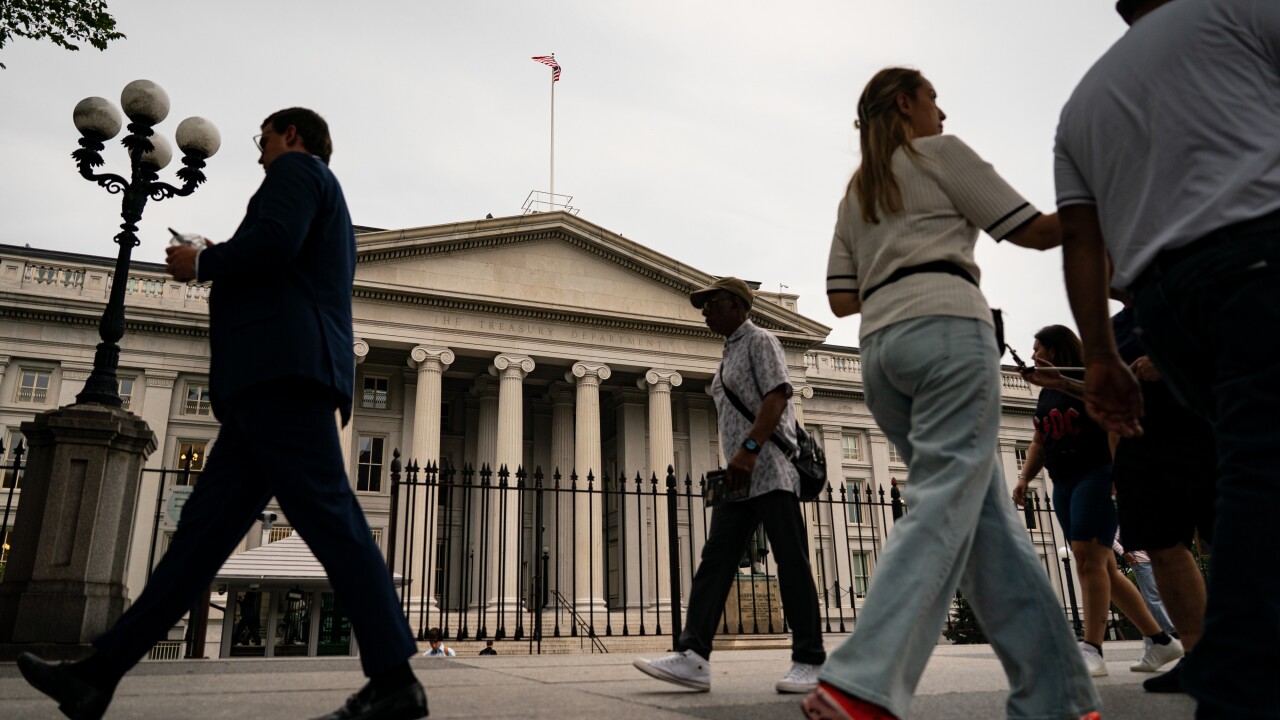
Oil remained lower by more than 10%, but the benchmark two-year Treasury note, erased its gain for the day, to yield about 3.79%.
April 9 -

All 244 underlying loans initially had a period of fixed rates between 60 and 120 months at origination and are currently ARMs, although none are interest-only.
April 2 -
Concerns that inflation pressures will intensify drove the biggest monthly increase in 10-year Treasury yields in March since late 2024.
April 2


