
Federal Reserve
Federal Reserve
-

By purchasing additional assets and securities, the Federal Reserve provided the financial markets with enough liquidity to weather the pandemic recession. But with the economy starting to recover, it needs to reduce such funding before it creates dangerous bubbles over the long term, say two former bankers.
March 26 -
 LIBOR
LIBORAlmost $2 trillion of debt pegged to dollar Libor, much of which can’t easily be shifted to an alternative benchmark, won’t mature until after the discredited rate expires in mid-2023, according to the Federal Reserve-backed group guiding the transition.
March 23 -
 LIBOR
LIBORLegacy contracts using the London interbank offered rate — which is set to be phased out at the end of this year — were granted a reprieve to mid-2023. However, there is no wiggle room on when the rate will expire for new deals, said Federal Reserve Vice Chairman Randal Quarles.
March 22 -
 LIBOR
LIBOR“Supervised firms that are not making adequate progress in transitioning away from Libor could create safety and soundness risks for themselves and for the financial system,” a Fed division director said.
March 10 -

Some nominees poised to take their agencies in a new direction appear headed for Senate confirmation while an intraparty squabble has delayed the administration’s choice to lead the Office of the Comptroller of the Currency. Here’s the roster update.
March 9 -
 LIBOR
LIBORThe Federal Reserve is intensifying its scrutiny of banks' efforts to shed their reliance on the London interbank offered rate, and has begun compiling more detailed evidence on their progress, according to multiple people with knowledge of the matter.
March 2 -
The Federal Reserve warned of significant risks of business bankruptcies and steep drops in commercial real estate prices in a report published on Friday.
February 19 -

The best mortgage bonds to buy now may be the ones the Federal Reserve is purchasing, because the securities might benefit the most if macro optimism fades.
February 12 -
The biggest U.S. banks reduced the portion of their collective balance sheets they’re dedicating to loans to a new low, extending a trend that’s seen the largest lenders put less and less of their firepower behind everyday borrowers.
February 8 -

A federal watchdog is looking into former Treasury Secretary Steven Mnuchin’s decision to roll back the U.S. Federal Reserve’s emergency lending programs at the end of 2020, an issue that has become a point of partisan tension in Congress.
February 2 -

January’s excess return came in at a level well above the trailing average for the month, thanks in large part to a helpful hand from the Federal Reserve.
February 2 -

Federal Reserve Gov. Lael Brainard said regulators are seeking to "understand the potential benefits and risks" from utilizing artificial intelligence in the financial services sector.
January 12 -
Treasury Secretary Steven Mnuchin approved the extension of the Main Street Lending Program, which offers loans to midsize companies affected by the pandemic, to Jan. 8.
December 29 -

The Federal Reserve is credited with containing damage to the financial system from the coronavirus pandemic, but experts say the limits of the central bank’s power to prop up the economy will likely become more apparent in the new year.
December 28 -

The Pennsylvania senator, who will chair the Banking Committee if Republicans hold their majority, agreed to modify an amendment restricting the Federal Reserve’s emergency powers that Democrats had criticized as too extreme.
December 21 -
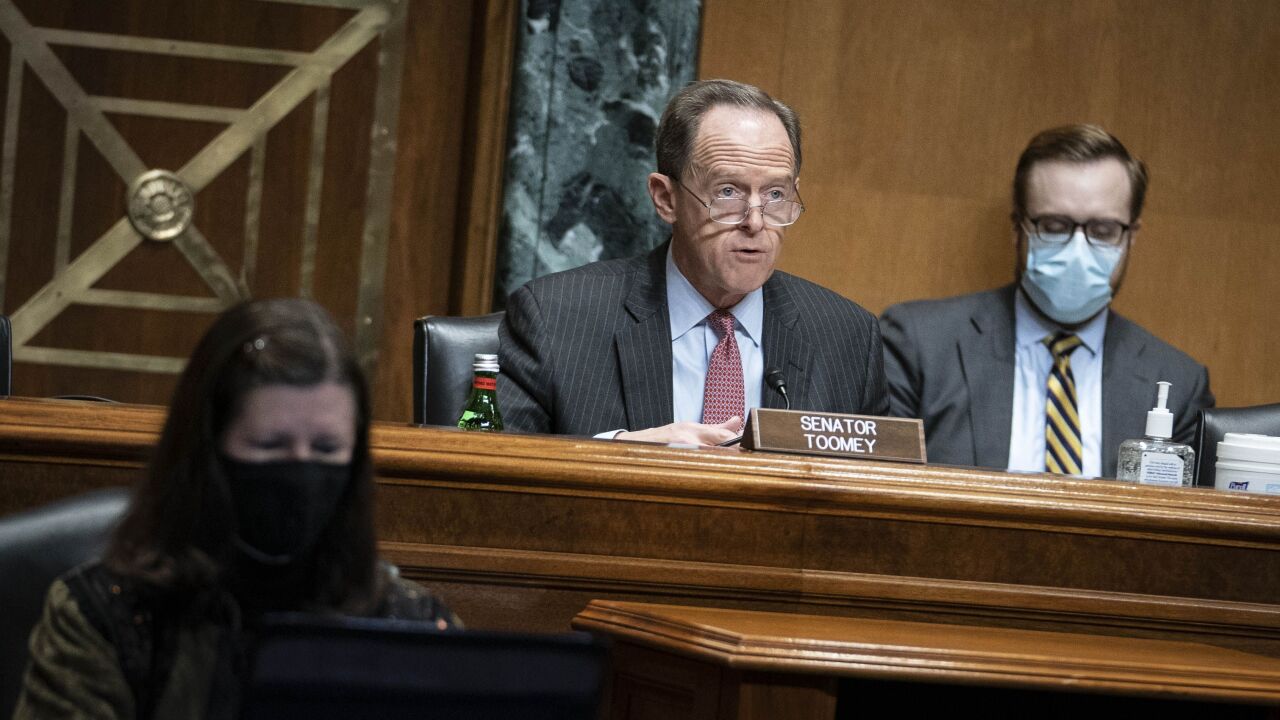
The Federal Reserve has already agreed to shut down emergency credit programs funded by the Coronavirus Aid, Relief and Economic Security Act, but Sen. Pat Toomey, R-Pa., and others want Congress to ensure the central bank cannot revive them.
December 17 -

The Federal Reserve said Tuesday that it had joined the Network of Central Banks and Supervisors for Greening the Financial System after participating in discussions with the group for over a year.
December 15 -

The end date for the Paycheck Protection Program Loan Facility was moved from Dec. 31 to March 31, giving lenders more time to line up the liquidity needed to buy and sell portfolios.
December 4 -

Vice Chairman of Supervision Randal Quarles said the agency wants to figure out why banks are holding on to capital that could be used more aggressively to respond to the pandemic.
December 2 -

The central bank will prolong the life of the Commercial Paper Funding Facility and three other programs while returning congressionally approved funds for five separate facilities that will shut down Dec. 31.
November 30


