-
Annualized inflation increased to 2.7% in November from 2.6% the previous month, providing further evidence that the economy remains strong despite restrictive monetary policy.
 December 11
-
The Federal Reserve chair is not concerned about President-elect Trump nominating his successor well in advance of the end of his term in 2026, saying he is "confident" he will have a productive relationship with the next Treasury Secretary.
December 4
-
Federal Reserve Gov. Christopher Waller, a Trump appointee, said that while recent inflation readings are concerning, monetary policy would remain restrictive even if the central bank cuts interest rates by another quarter-point this month.
December 2
-
The Federal Reserve chair said there are no economic indicators calling for rapid rate cuts. He also addressed Fed independence, the impact of Trump's economic agenda and more.
November 14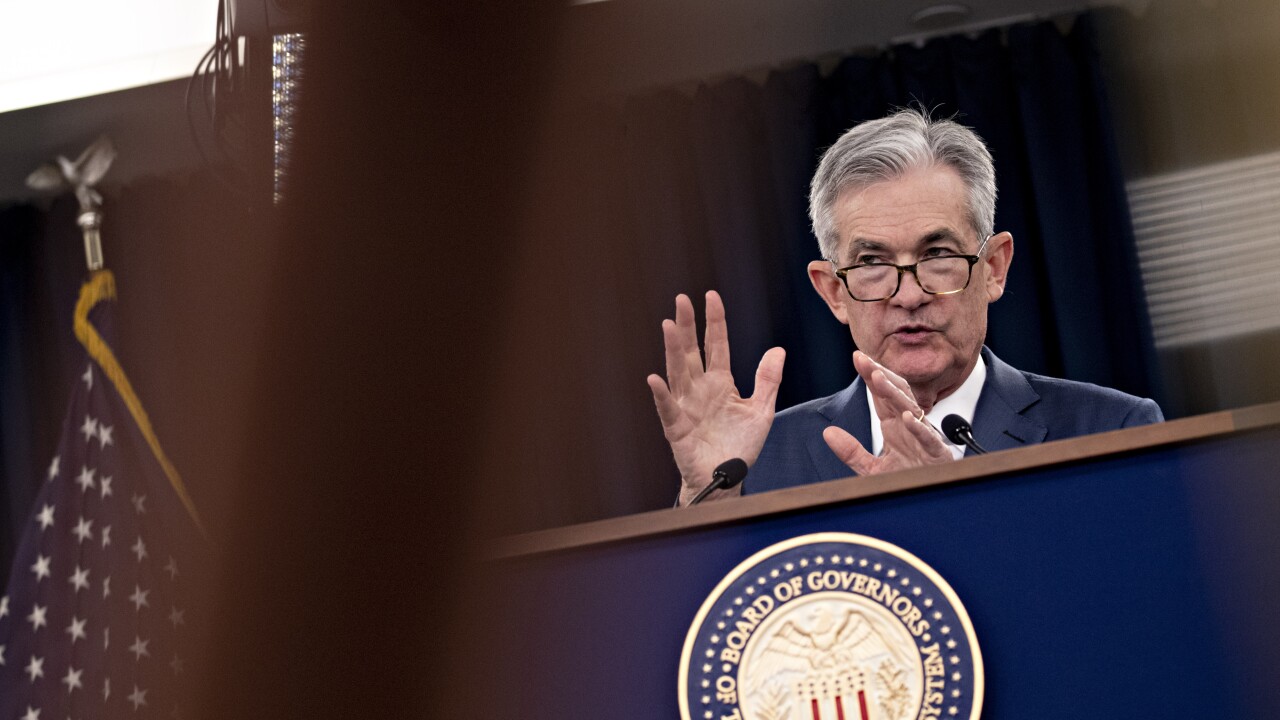
-
The Federal Reserve's top official was emphatic that he and other leaders on the Board of Governors cannot be dismissed or demoted at will by the president.
November 7
-
Federal Reserve chair Jerome Powell flagged a recent upward revision to income and savings data as a sign of economic strength. He said the information could factor into the central bank's monetary policy discourse during the Fed's next interest rate meeting in November.
September 30
-
The move signals the end of the Federal Reserve's battle against runaway inflation in the wake of the COVID-19 pandemic. Fed officials expressed divergent views on further action this year.
September 18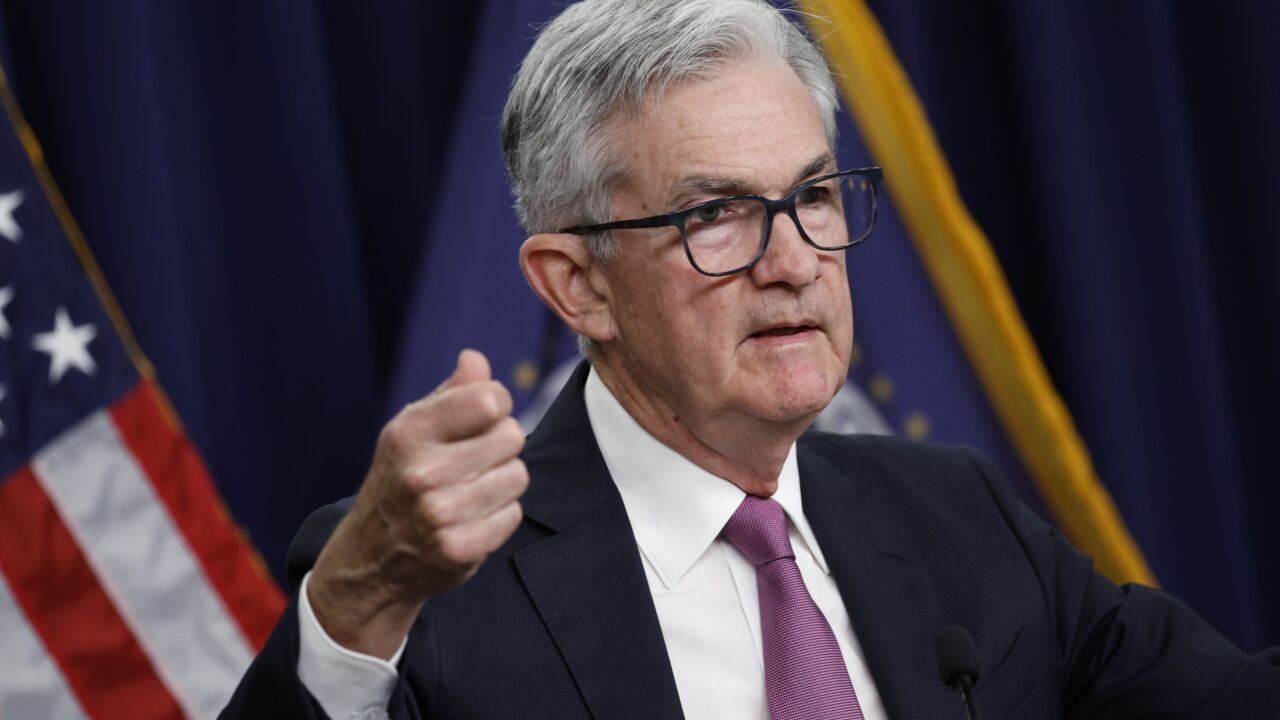
-
Economists are also forecasting faster and deeper cuts to borrowing costs over the next year, and see the central bank reducing the policy rate from the current 4.5% to 3% by next July.
August 26
-
In his speech at the Federal Reserve's Jackson Hole Economic Symposium, the Fed chair said employment losses are now a bigger risk than elevated inflation.
August 23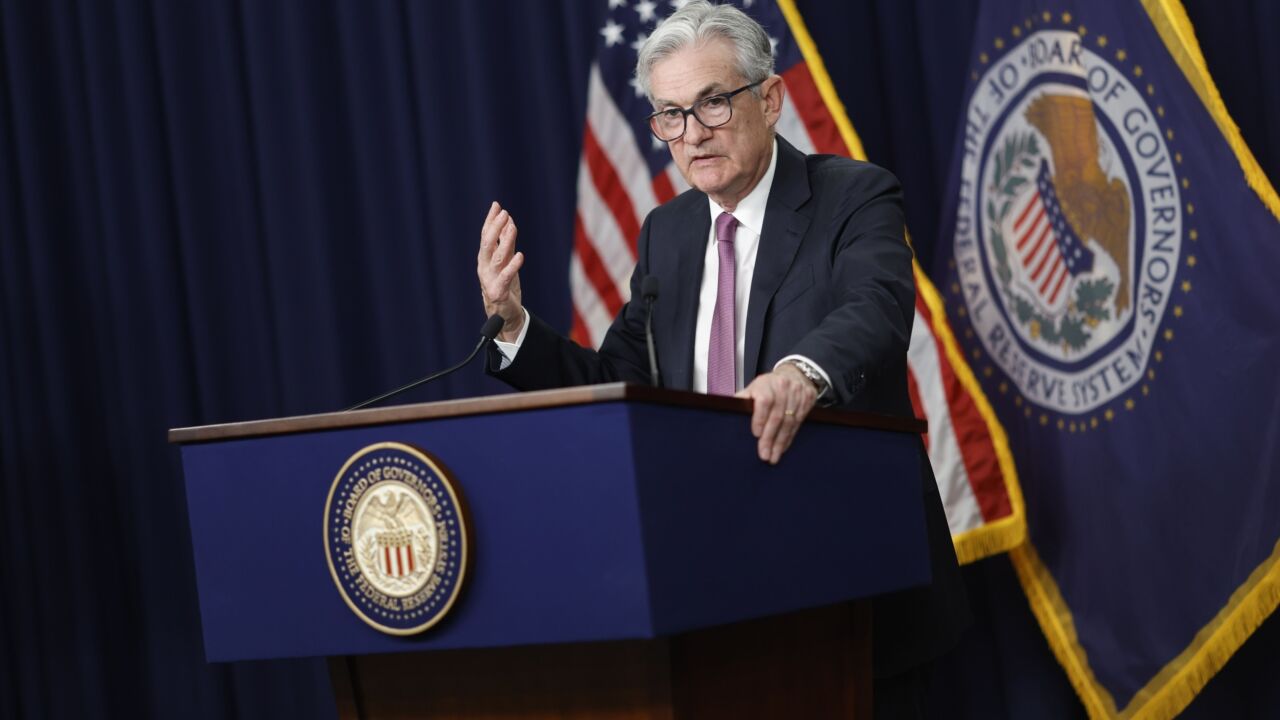
-
"Fed watchers will be parsing Powell's comments for signs that a 50bp rate cut is on the table for September," noted Lauren Saidel-Baker, an economist with ITR Economics. "However, the notoriously tight-lipped chair is unlikely to confirm this, making a 25bp cut the most likely outcome."
 August 21
-
Policymakers also made several adjustments to the language of a statement released after their two-day meeting in Washington, signaling they are closer to reducing borrowing costs.
July 31
-
The central bank also noted that the banking system is sound but faces several challenges. The report precedes Federal Reserve Chair Jerome Powell's upcoming appearances on Capitol Hill.
July 5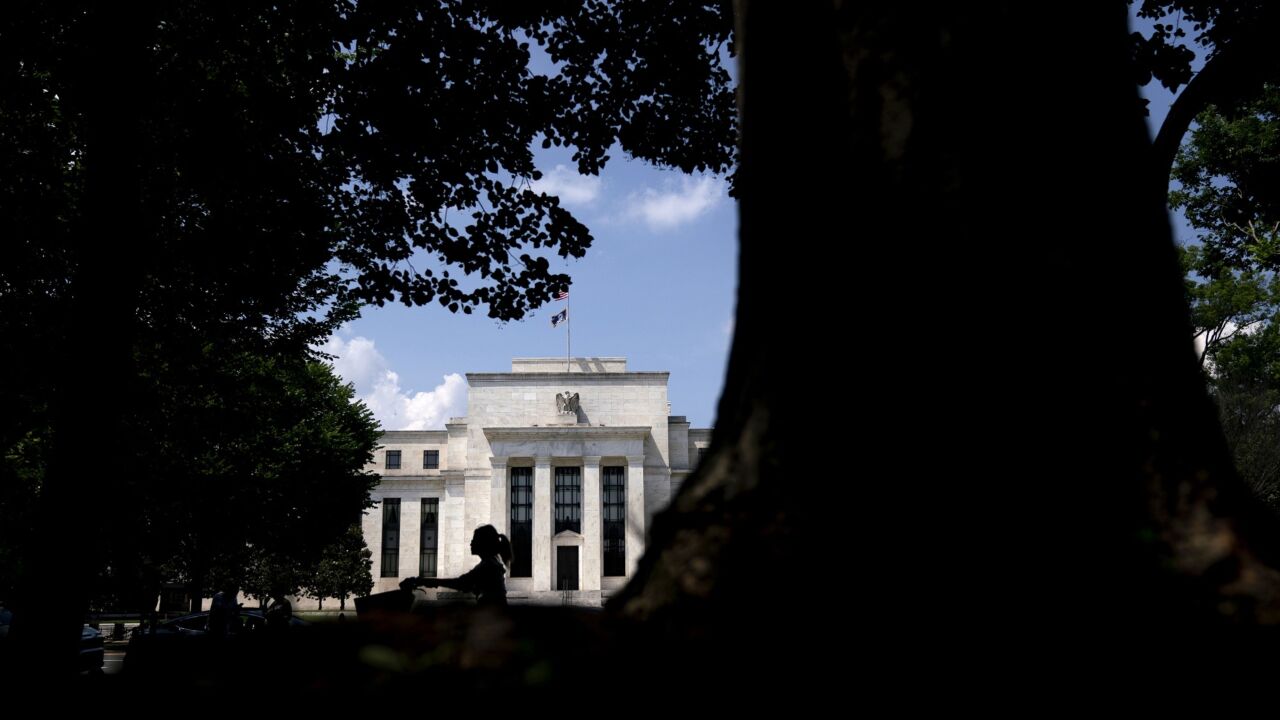
-
Federal Reserve Chair Jerome Powell says crushing inflation is the most important thing the Fed can do to reduce costs in the housing market. Some economists and policy specialists say higher rates are not the only tool at its disposal.
June 14 -
In a speech, the Federal Reserve governor said she would have liked to see the Federal Open Market Committee move more quickly to reduce its holdings. The central bank is poised to begin slowing the pace of balance sheet runoff this week.
May 28
-
The Federal Open Market Committee held the federal funds rate at current levels, citing "lack of further progress" toward meeting inflation goals.
 May 1
May 1
-
During this week's Federal Open Market Committee meeting, officials voted to lower the cap on the amount of Treasury securities that can roll off the central bank's books each month from $60 billion to $25 billion.
May 1
-
Banks and other financial market participants have been keyed into the central bank's communications around monetary policy expectations. But in an unpredictable economy, the guidance doesn't always hit the mark.
April 29
-
According to the Federal Reserve Board's latest financial stability report, persistent inflation and policy uncertainty are the primary worries for banks. Survey respondents expressed heightened anxiety over murky policy outlooks due to geopolitical turmoil and rapidly approaching domestic elections.
 April 19
-
Global yields rose on Thursday as markets around the world adjusted to central banks keeping interest rates higher for longer, with the US two-year yield briefly exceeding 5% for the first time since November.
April 11
-
Federal Reserve Chair Jerome Powell said at the Federal Open Market Committee press conference Wednesday that a slower pace of reduction could help the central bank avoid shrinking its holdings further without disrupting the banking system.
March 20


