-
Last week's bond market turmoil continued leading up to the FOMC decision on Wednesday, pushing the 30-year fixed to near or over 7%, depending on the source.
 September 17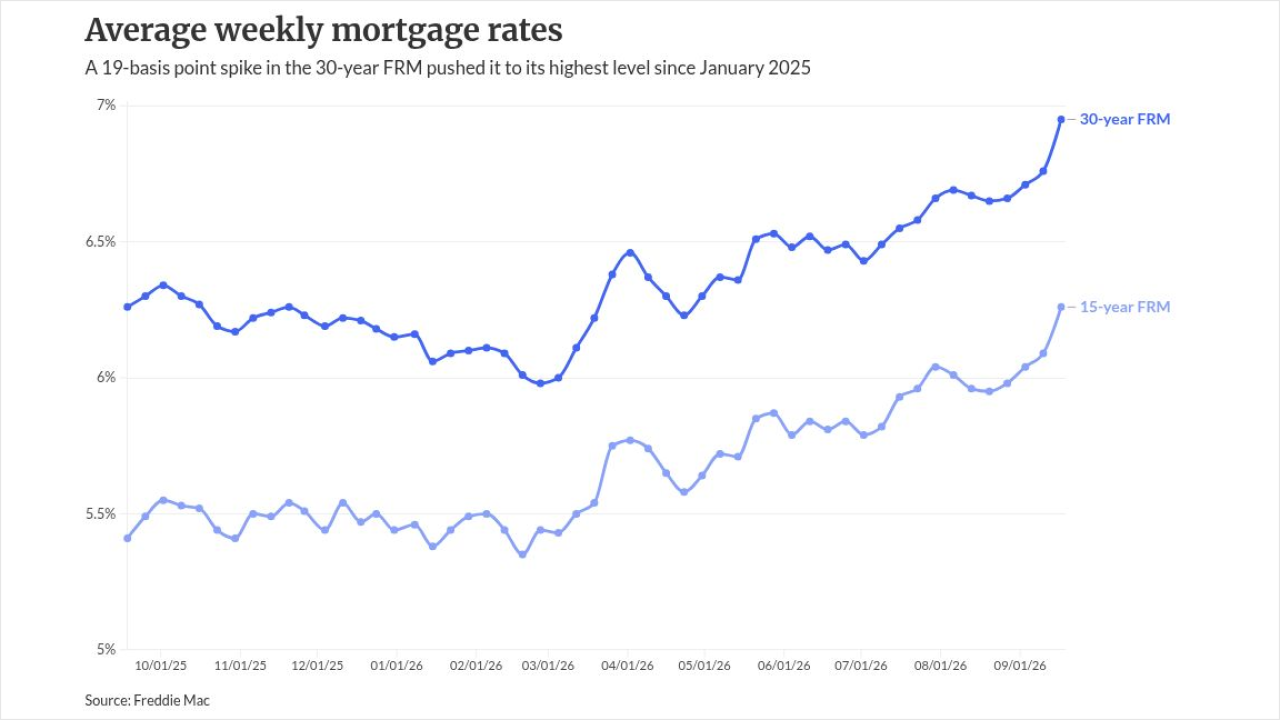
-
The market initially showed relief after the initial confirmation of an anticipated inflation-fighting hike but discussion of a future raise renewed concern.
 September 16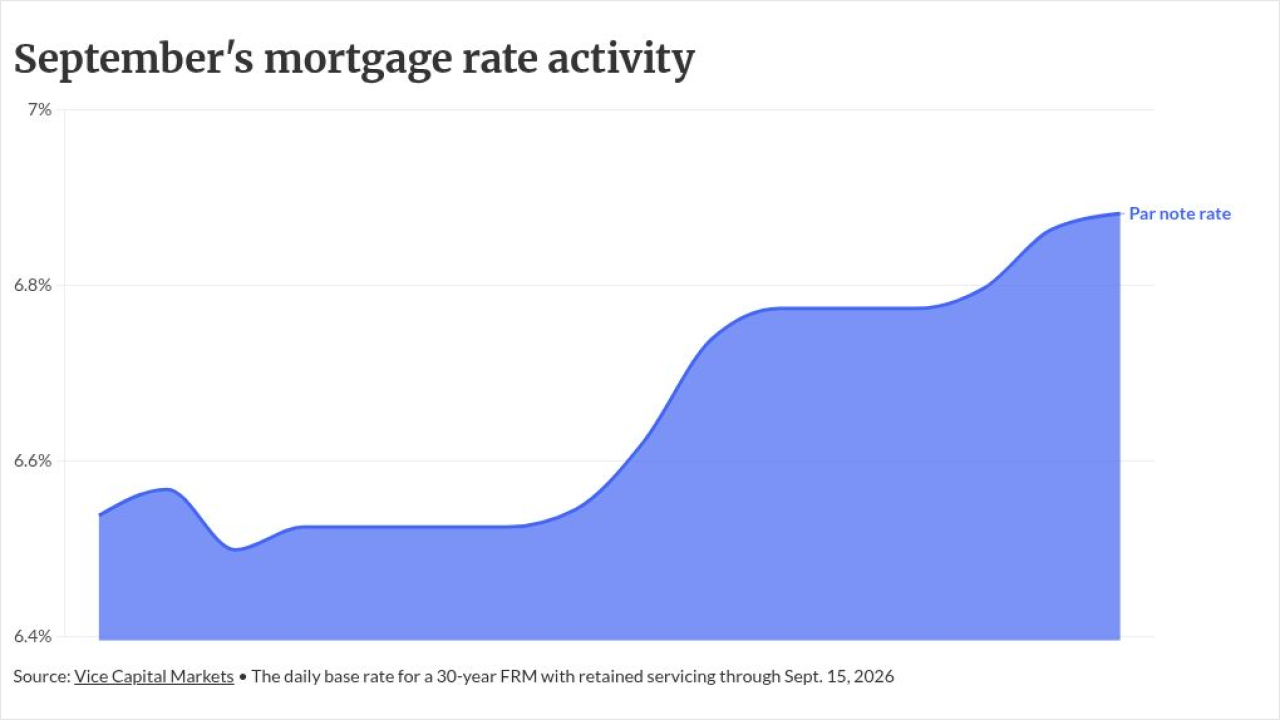
-
Merging Fannie Mae and Freddie Mac may not be possible but there is a variation that maintains competition and adds efficiency, according to one shareholder.
September 2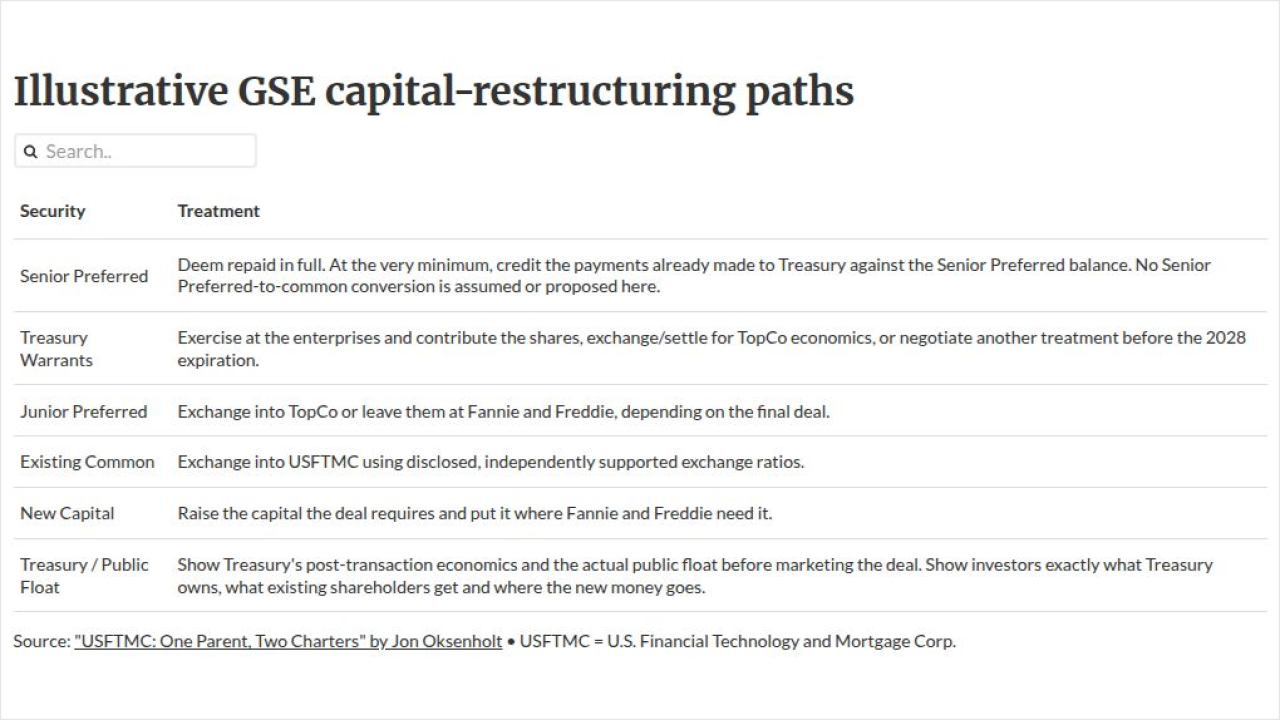
-
If Fed Chair Kevin Warsh's comments lack substance on inflation in the market's opinion, it is likely to drive mortgage rates even higher, NerdWallet warned.
August 27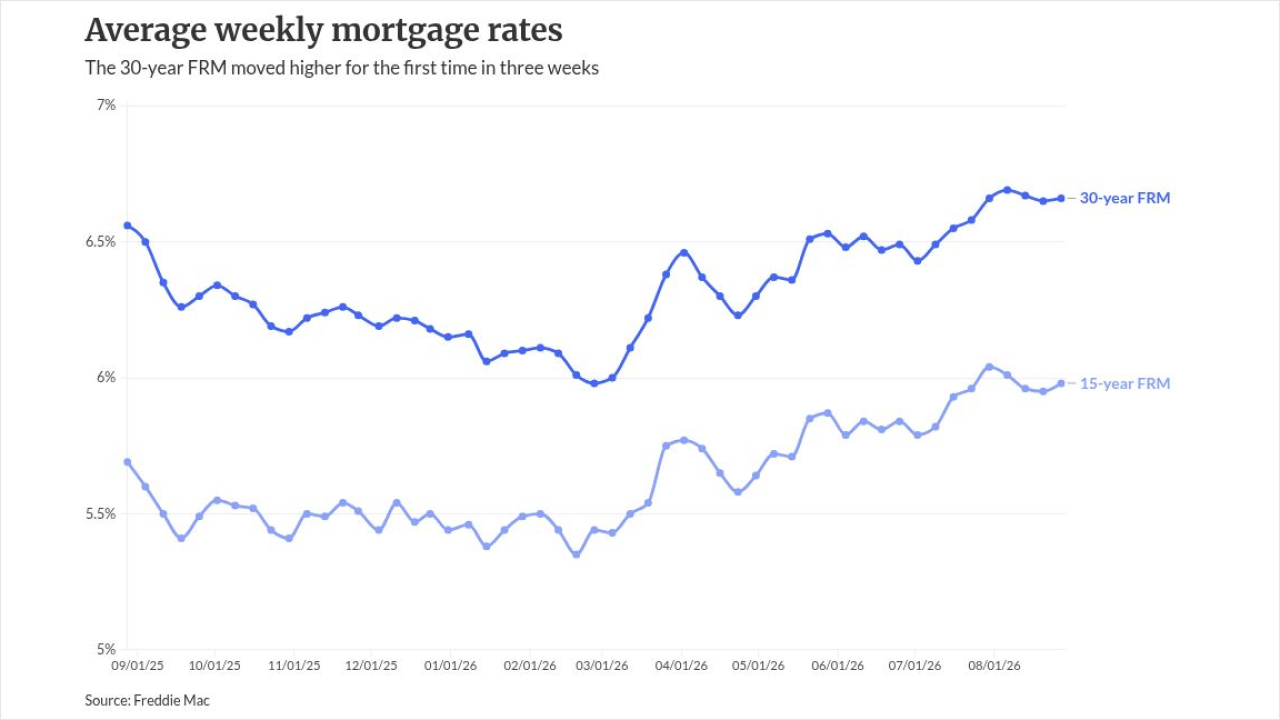
-
So far, annual home lending growth is on track to slow, but not stop, with some positive developments surfacing amid broader challenges.
August 18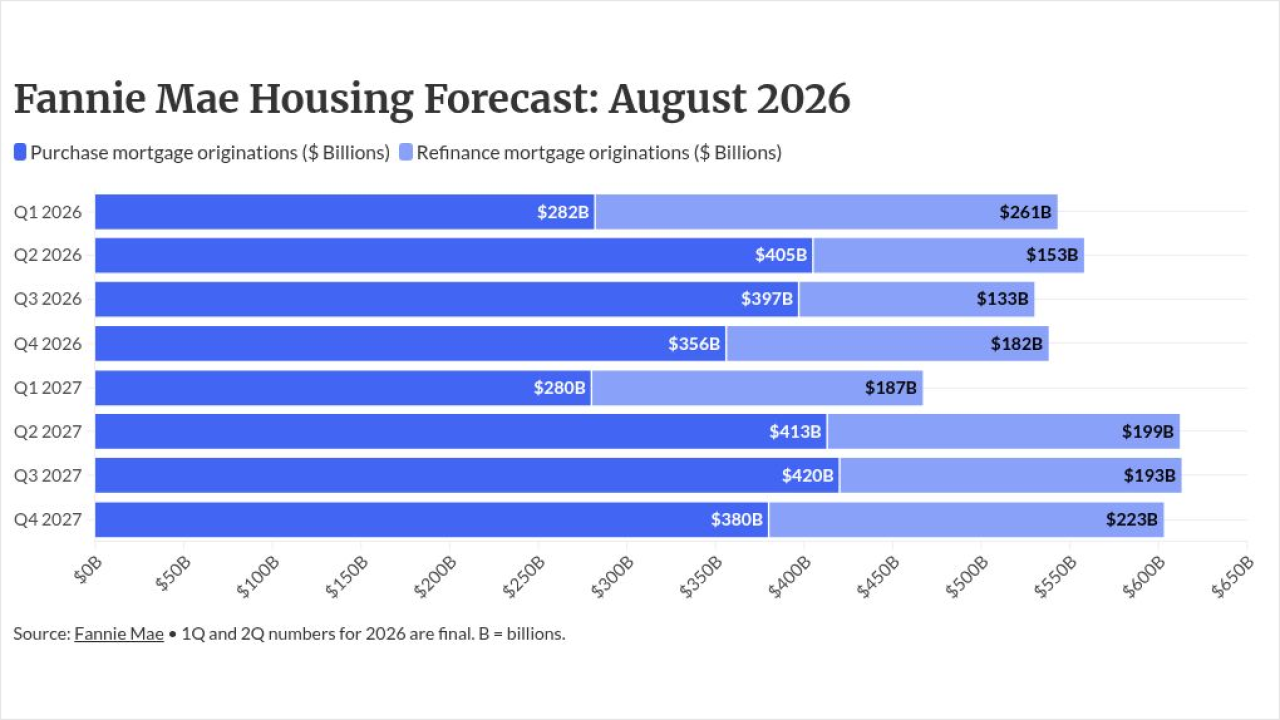
-
For the first time in six weeks, the 30-year fixed rate mortgage dropped, with observers expecting a steady but challenging housing market for the rest of 2026.
August 13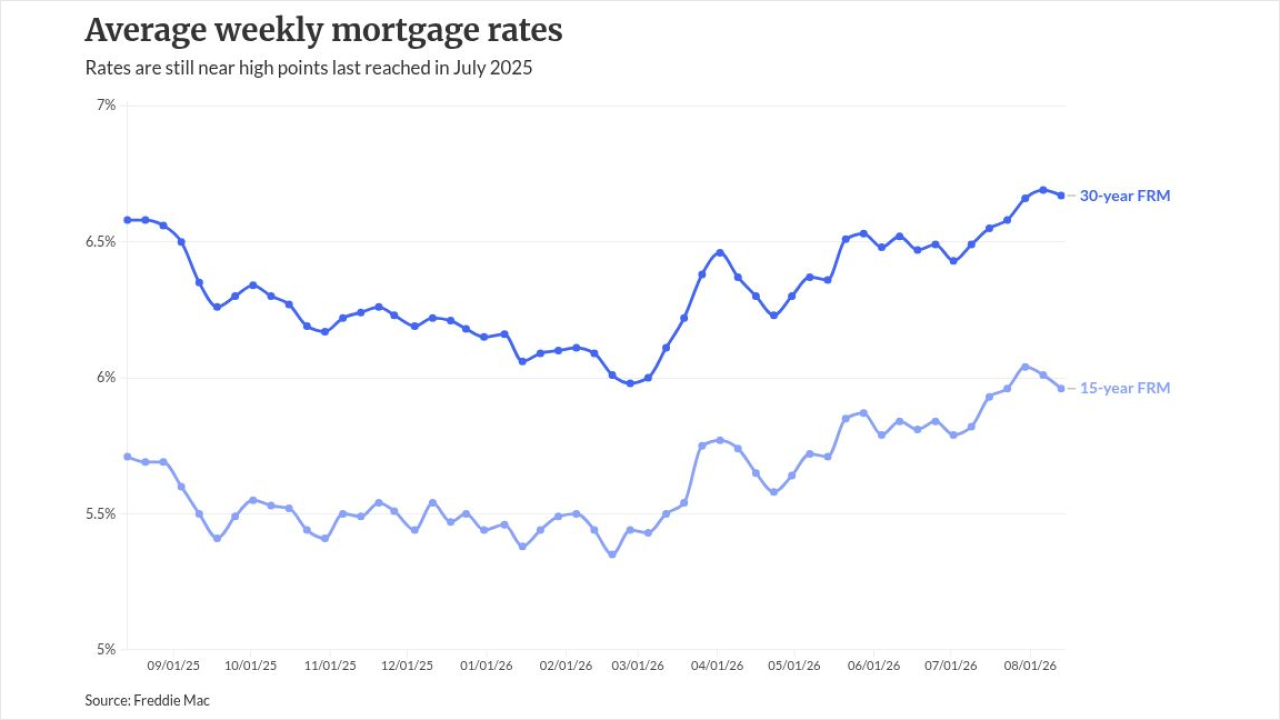
-
Despite the variety of loans in the pool, the vast majority of assets are considered qualified mortgages, with only 10.9% considered non-QM.
 August 10
-
The 10-year Treasury yield rose to the highest level in more than 18 months last week after Fed Chair Kevin Warsh gave conflicting signals about the US central bank's plans to control inflation.
August 7
-
Fannie Mae and Freddie Mac are under directives to make mortgage-backed securities purchases that can exert downward pressure on rates or limit increases.
July 31
-
The property market has been held back in recent months by elevated borrowing costs, which had fallen below 6% in late February before the Middle East conflict boosted energy prices.
July 30
-
Originators need to keep an eye on the 10-year Treasury yield used in pricing mortgages, which not only broke through 4.6%, climbed above 4.7% on Thursday.
July 23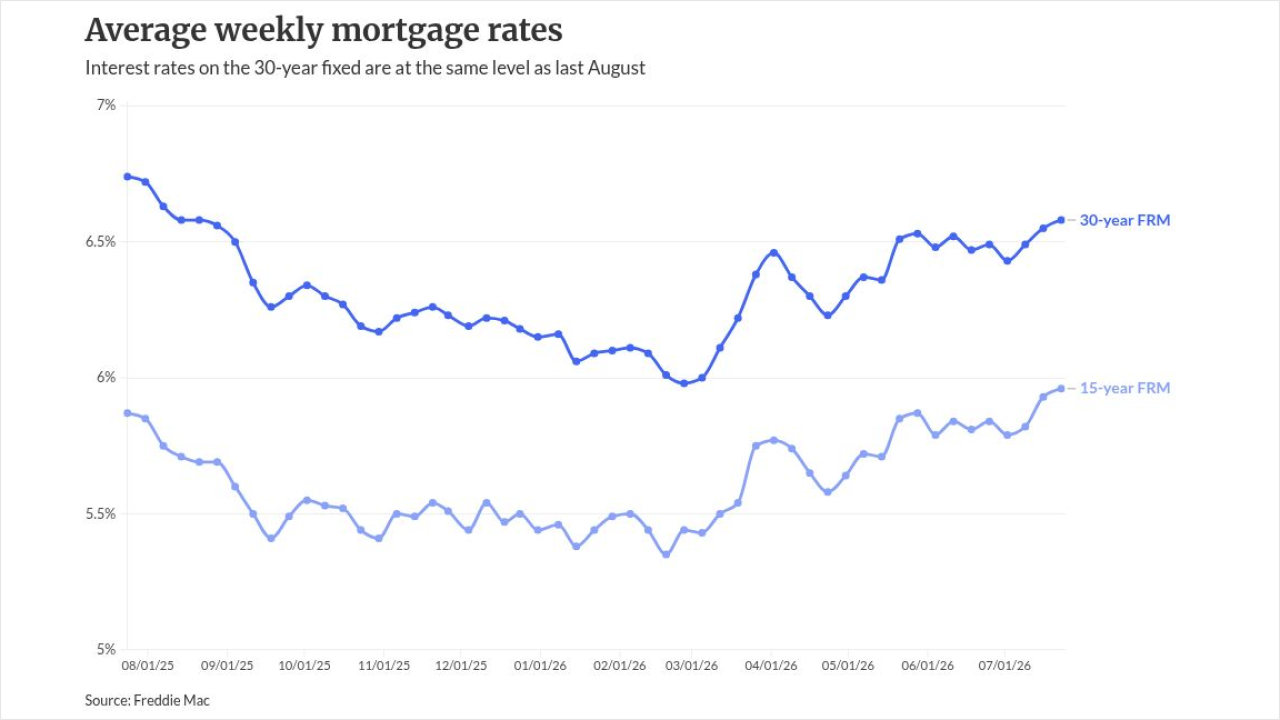
-
Economists at the government-sponsored enterprise have been lowering their single-family origination volume estimates for several months.
 July 15
-
The average contract rate on a 30-year fixed mortgage climbed 7 basis points to 6.65% in the week ending July 10. Meanwhile, the group's index of mortgage purchase applications fell 7.3%.
July 15
-
A week after falling to its lowest point since mid-May, the 30-year fixed rate mortgage turned higher as the 10-year Treasury rose 15 basis points since June.
July 9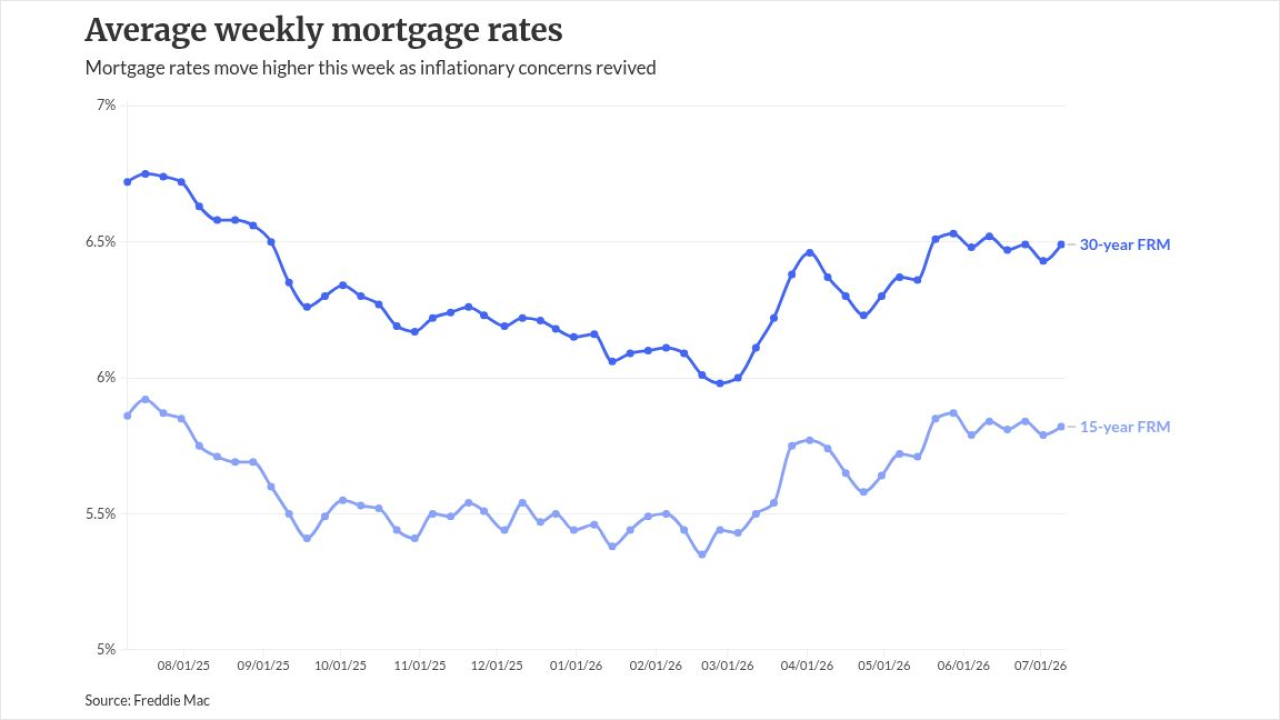
-
However, for the second quarter, increased home purchase mortgage activity contributed to an industry-wide 11% increase in agency securitizations, BTIG said.
July 8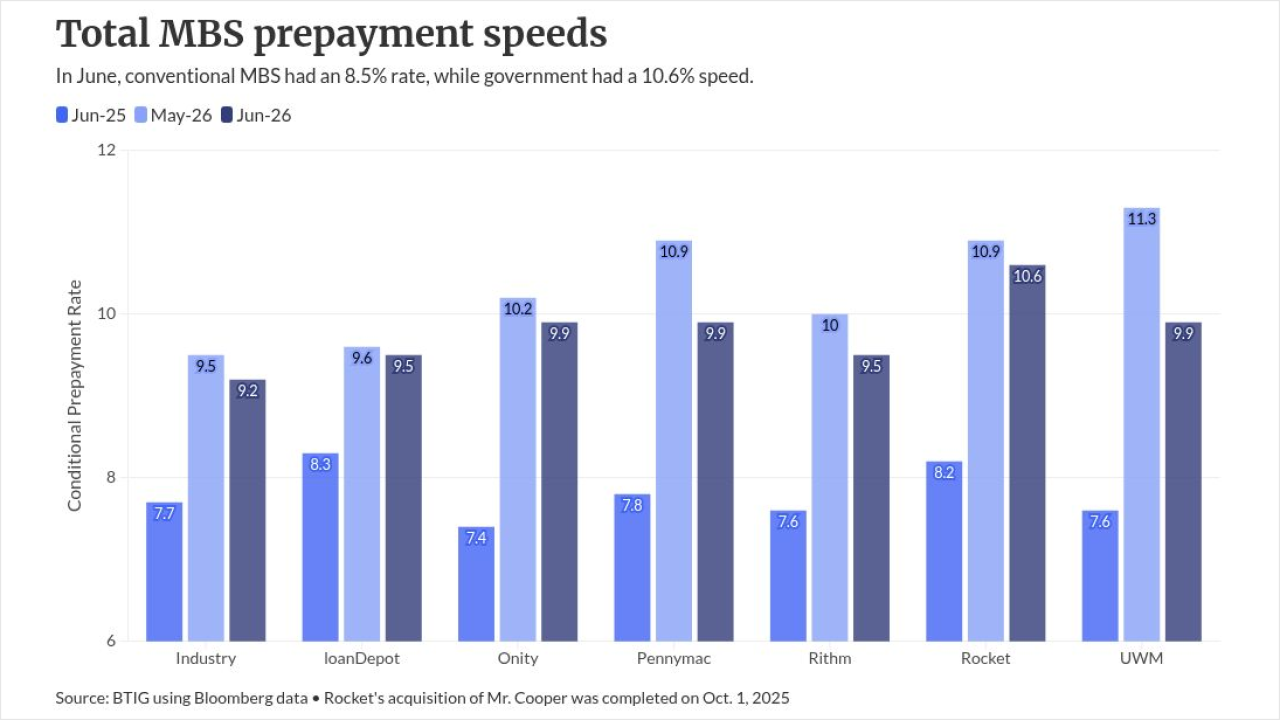
-
A potential end to the Iran War could lead to economic recovery, suggesting sub-6% rates may be far off as monetary policy discussions take a hawkish tone.
June 18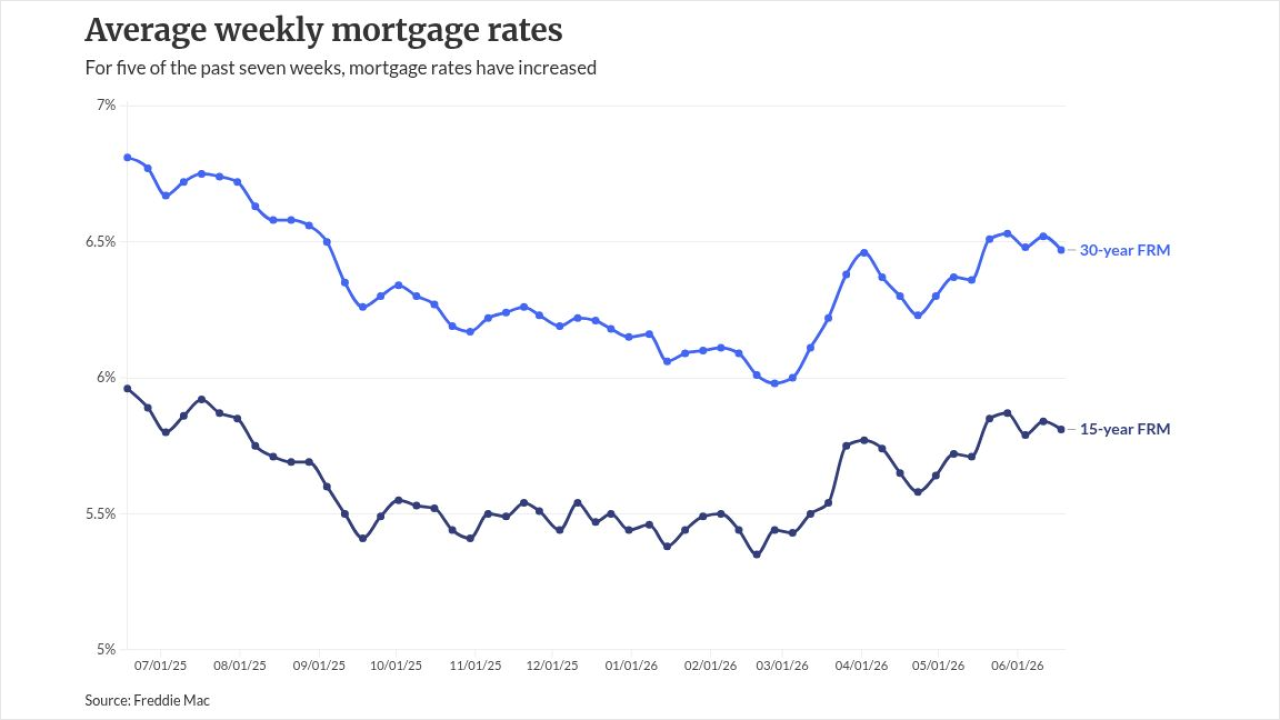
-
The decline in non-owner occupied acquisitions came as sales fell overall due to high mortgage rates and bad winter weather in the Northeast, BatchData said.
June 17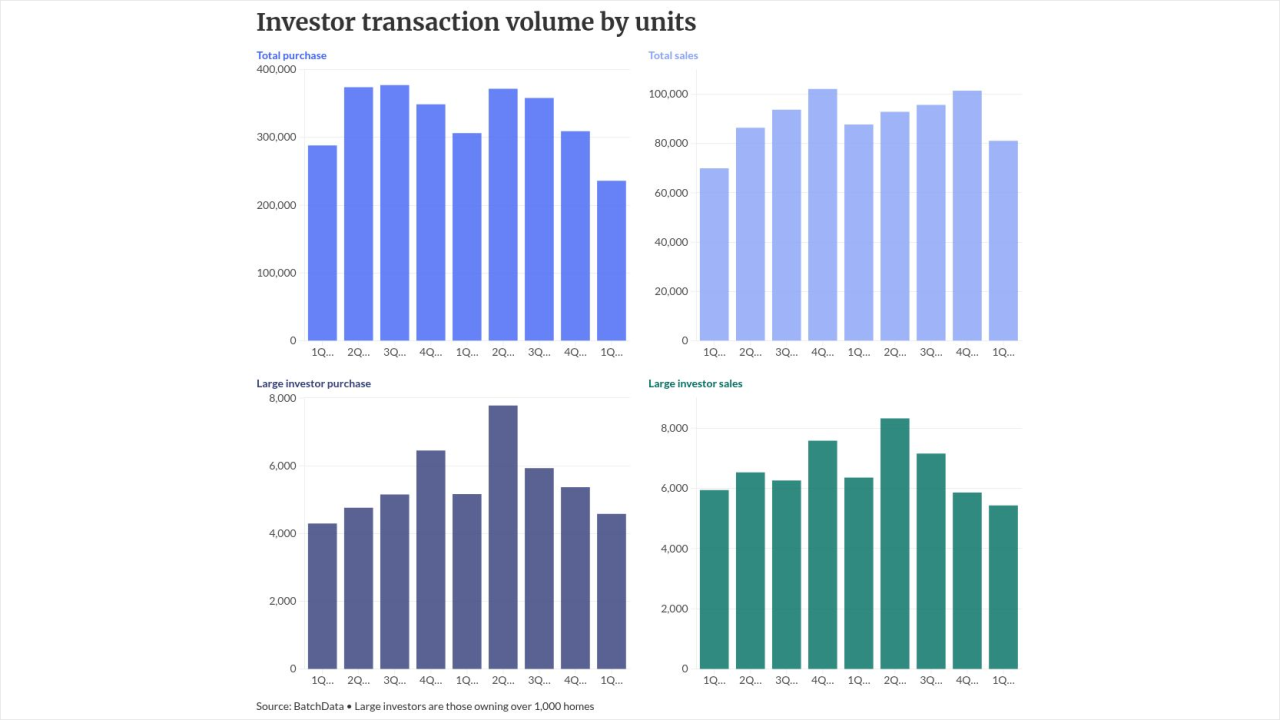
-
For the fifth time in the past seven weeks, mortgage rates moved higher, Freddie Mac reported, as consumer prices keep rising due to the Iran conflict.
June 11
-
Over three-quarters of the Wolters Kluwer Blue Chip Economic Indicators panel said the FOMC will ease eventually, but a growing number are now expecting a hike.
June 10
-
Approximately 54% of homeowners looked to a second lien product to access their home's stored value in the first quarter due to the "lock-in effect."
June 8


