-
CCCRT 2024-1's pool is fragmented by obligor, with the top obligor, for instance, accounting for only 0.84% of the pool by balance.
 February 8
-
The deal has an underwriting debt-service coverage ratio (DSCR) of at least 1.0, and Morningstar says the issuer reports a loan-to-value ratio of 81.00%.
February 7
-
The underlying loans are fixed rate, and they are financing a lower percentage of new vehicles, 22.8%. The loans also have a lower weighted average front-end loan-to-value (LTV) of 95.5%.
February 7
-
With a potential upsize to $1.3 billion, series 2024-1 features a potential floating-rate tranche benchmarked to the 30-day compounded Secured Overnight Financing Rate (SOFR).
February 6
-
She cited the increase in interest rates, higher vacancy rates thanks to shifting work patterns triggered by the pandemic and a wave of commercial real estate loans coming due this year.
February 6
-
The majority of users are looking for new credit lines and others want to improve their scores. Credit monitoring by consumers may be a good indicator of both, Transunion found.
 February 6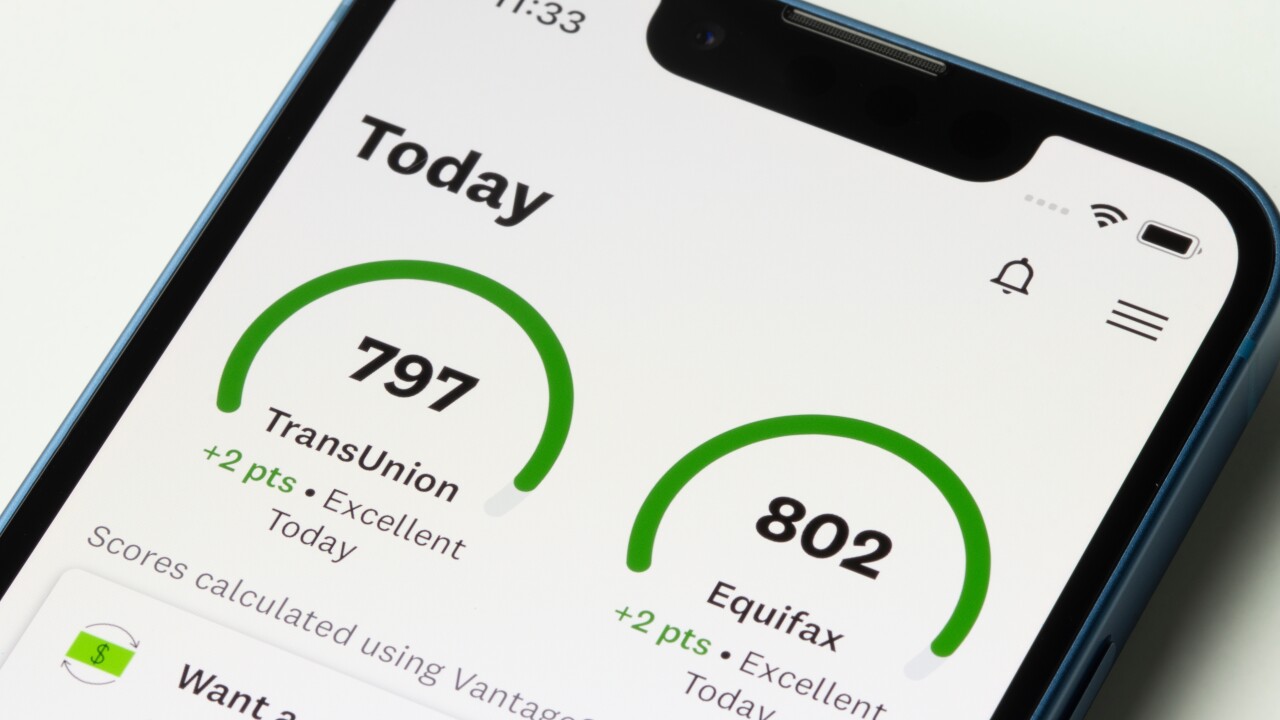
-
The loans have a weighted average (WA) score of 781, the highest to date for the platform, and the deal also has several key positive credit highlights, including the lowest concentration of leases with terms greater than 36 months.
February 6
-
On a weighted average basis the loans have a 7.03% coupon and a remaining term of 4.9 years. All 24 loans are full-term, interest-only loans.
February 5
-
Yields across the maturity spectrum climbed as much as 10 basis points on the day, reaching session highs after the ISM gauge of service-sector activity for January exceeded economist estimates.
February 5
-
A clash over pay playing out in contract negotiations between the Consumer Financial Protection Bureau and its employee union occur as the Supreme Court is considering whether the agency must get its funding from Congress.
 February 5
-
Some 630 residential mortgages provide the collateral for the deal, and that includes a substantial majority, 81.0%, that the rating agencies consider to be non-prime.
February 2
-
With tougher capital requirements looming, a number of regionals including U.S. Bancorp, Huntington and Santander are using these new instruments to share risk with nonbank investors and lighten their capital load. Experts point out the pros and cons.
 February 1
-
Credit strengths include a relatively fast amortization period, which can reduce exposure to loss risks, plus a collateral pool composed of frequently used, affordable smart phones.
February 1
-
The percentage of obligors in the pool with no credit history amounts to about 81.5%, and that is actually higher than prior transactions from the TAST program.
January 31
-
A key Senator had urged Fed Chairman Jerome Powell to lower rates early this year, but although there's more consensus on making such a move, it now looks unlikely to happen until after the next meeting.
January 31
-
Only loans that have made at least one payment were included in the collateral pool. At a weighted average (WA) 574, the pool's FICO score is slightly lower than that of recent pools.
January 30
-
Early pricing talk for the notes ranges from 26-28 basis points over the three-month interpolated yield curve on the A1 notes, putting it at par.
January 30
-
The portfolio of new auto leases will support notes with an expected base case loss proxy of 1.0%.
January 29
-
The transaction, secured by non-prime consumer loans, has a three-year revolving period with initial credit enhancement of 41.15% on the class A notes.
January 26
-
The stable outlook is an indication that — at least for some lenders — the much-feared cycle of cardholders defaulting on their obligations in the wake of the COVID-19 pandemic may not turn out to be so bad.
January 26


