
The deal will sell the notes through five tranches of class A, B, C, D and E notes. Classes A and B have legal final maturity dates of Nov. 15, 2030 and July 15, 2032, respectively.


-
Agency activity dropped off by 4% in September while non-qualified mortgage issuance was down 18% in the third quarter versus the prior period, BTIG said.
 October 2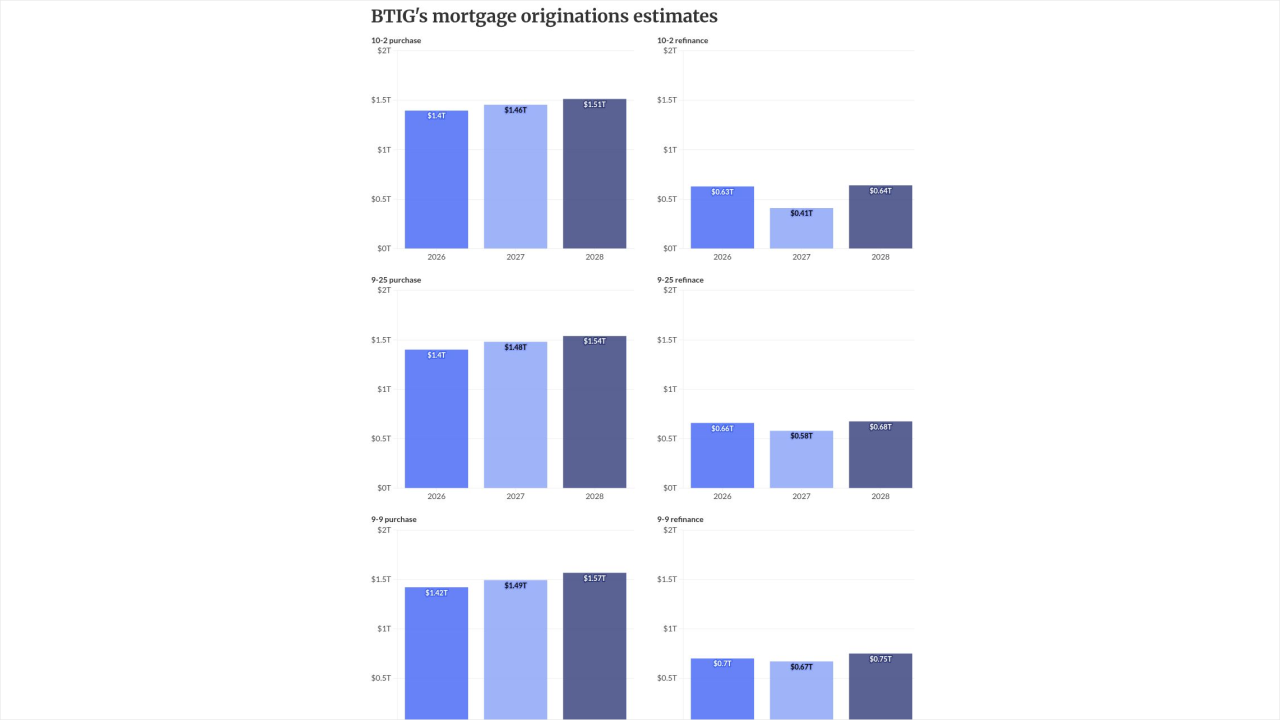
-
The economy added just 29,000 jobs in September, far below economists expectations, though the unemployment rate remained steady, indicating softening in the labor market.
 October 2
-
The company provides specialty ingredients and research and manufacturing services to several markets including biotechnology and pharmaceutical.
 October 1
-
Federal Reserve Gov. Lisa Cook said Thursday that private credit does not seem to pose additional risks to the financial system at the moment, but added that more information about the opaque market is needed.
 October 1
-
Mutual of Omaha Mortgage originated a pool with mostly adjustable rate mortgages, which account for 66.25% of the pool's aggregate unpaid principal balance.
October 1


-
Agency activity dropped off by 4% in September while non-qualified mortgage issuance was down 18% in the third quarter versus the prior period, BTIG said.
October 2 -
The economy added just 29,000 jobs in September, far below economists expectations, though the unemployment rate remained steady, indicating softening in the labor market.
October 2 -
Upstart's grade E loans account for 47.1% of the collateral pool, compared with 43.3% in the UPST 2026-3, while the concentration of 60-month loans is also lower.
September 30
-
Island CEF, a subsidiary of Gordon Brothers completed its first securitization in August, selling $265.5 million in bonds secured by equipment finance leases and loans payments.
September 30
-
The Federal Reserve voted 6-1 to finalize its proposed stress test reforms, including seeking input on stress test scenarios and models annually and averaging results over two years.
 September 30
-
The first variable funding note for Pagaya will contain newly originated consumer loans as they attain seasoning and await securitization.
September 29
-
The trust has a loan-to-value ratio of 56.2%, based on the rating agency's net cash flow (NCF) of the assets and a capitalization rate of 6.00%.
September 29


