-
Volumes set a record in 2021 and they've held up better than expected this year, but declines are forecasted for the sector some banks are using to partially offset single-family's slump.
 August 2
-
At the same time, homes bought with FHA-backed loans accounted for the smallest share since 2007, according to an Attom sales report.
 July 29
-
New American Funding scored the highest among eligible companies in this year's substantially redesigned measurement of customer satisfaction.
 July 28
-
-
The jump for second mortgages and bank cards was even more pronounced, according to indices published by Standard & Poor’s and Experian.
July 20
-
New single-family home mortgage applications, housing starts and industry sentiment all came in at their lowest since 2020.
July 19
-
Inflation and higher interest rates are hurting distressed borrowers, but low unemployment, remaining forbearance and loss mitigation options are still blunting their impacts, recent loan-performance numbers suggest.
July 18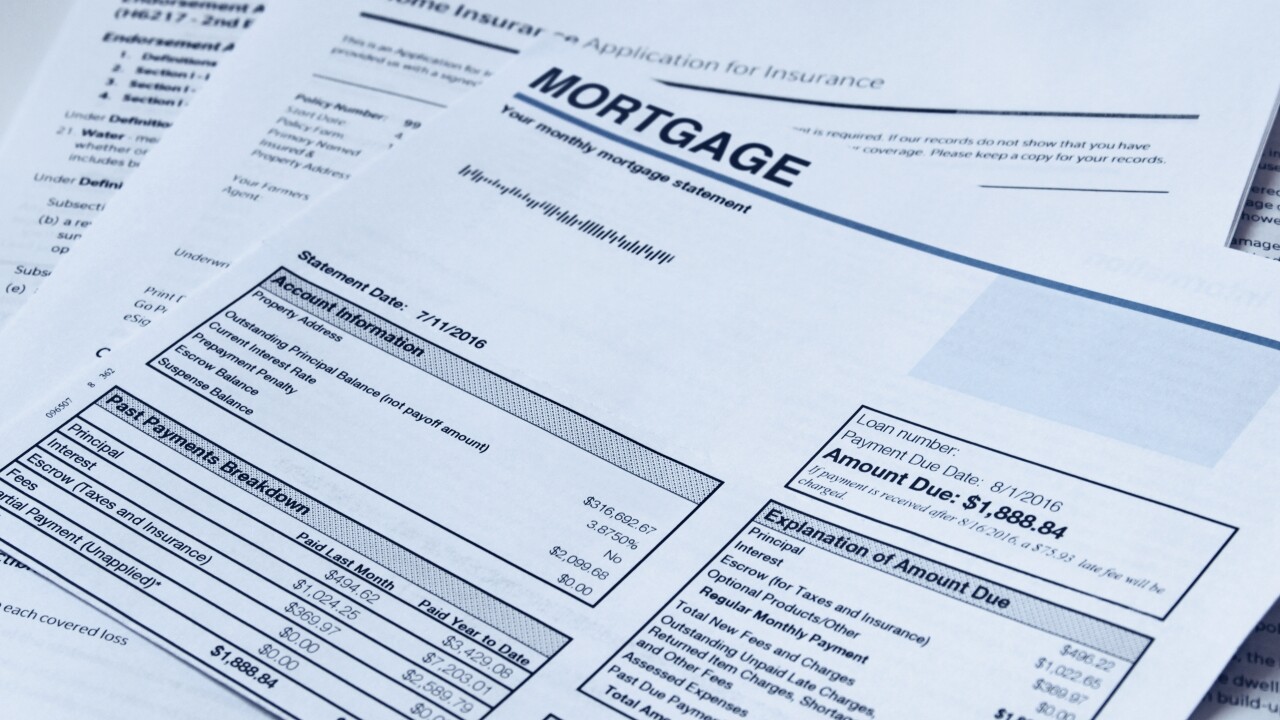
-
Delinquencies are likely to rise if both interest rates and inflation continue their upward movements, a DBRS Morningstar report said.
July 18
-
The slowdown in new single-family construction is one of several headwinds homebuilders find themselves facing this summer.
July 15
-
Like other mortgage lenders, the San Francisco megabank has been cutting staff since refinancing volumes started to fall. Additional layoffs are expected over the next couple of quarters, according to the bank’s chief financial officer.
 July 15
-
Following their largest drop in over a decade one week ago, averages rapidly swung upward as recession talk receded.
July 14
-
Led by Rep. French Hill, the group of conservative lawmakers said the agency must do more to ensure appropriate transparency regarding any new products or activities that the enterprises undertake.
 July 13
-
The government-sponsored enterprises divested themselves of the largest share of these loans since they first began selling them in 2014, a Federal Housing Finance Agency report found.
July 12
-
The 18.5% increase in Fannie Mae's and Freddie Mac's purchase authority was the driver of a 41% decrease in higher balance originations between December and January.
July 8
-
Prices are starting to fall in one of the most expensive cities in the U.S. but they are still much higher than their pre-pandemic levels.
July 8
-
The former lender’s abrupt closure Wednesday and First Guaranty’s recent bankruptcy filing highlight difficulties in the current mortgage environment despite nonbanks being on stronger financial footing than their counterparts of 14 and 24 years ago.
July 7
-
Average purchase-loan amounts shrank for the second week in a row and are currently 12% below their record size in March.
July 6
-
But second home sales — which were below pre-pandemic levels for the first time in 24 months during May — may slow in the future as those in vulnerable areas get tougher to insure.
July 5
-
The move builds on the government-sponsored enterprise’s previous program that facilitated the collection of more rent payment records from tenants who work with its multifamily borrowers.
June 29
-
The median prices for the most sought-after metro areas were on average $128,000 lower than in the city the buyer was leaving, Freddie Mac's study of Loan Product Advisor data found.
June 27


