
Federal Reserve
Federal Reserve
-

Meanwhile, the February US employment report to be released Friday is expected to show deceleration in job growth, potentially reviving the case for Fed rate cuts.
March 5 -

The bank exited the $1.95-trillion asset cap last year, but it had remained subject to the rest of the eight-year-old order.
March 5 -

Key measurements of small businesses' health remained stable in 2025, according to a new study by the 12 regional Federal Reserve banks. But those firms' optimism about the future reached its lowest point since 2020.
March 3 -

During a month when warning signs flashed alarms in other markets traders flocked to US government debt.
February 27 -
Futures spreads linked to the Secured Overnight Financing Rate, which closely track expected Fed policy, are becoming deeply inverted — a sign that traders are starting to price a more prolonged central bank easing cycle.
February 25 -

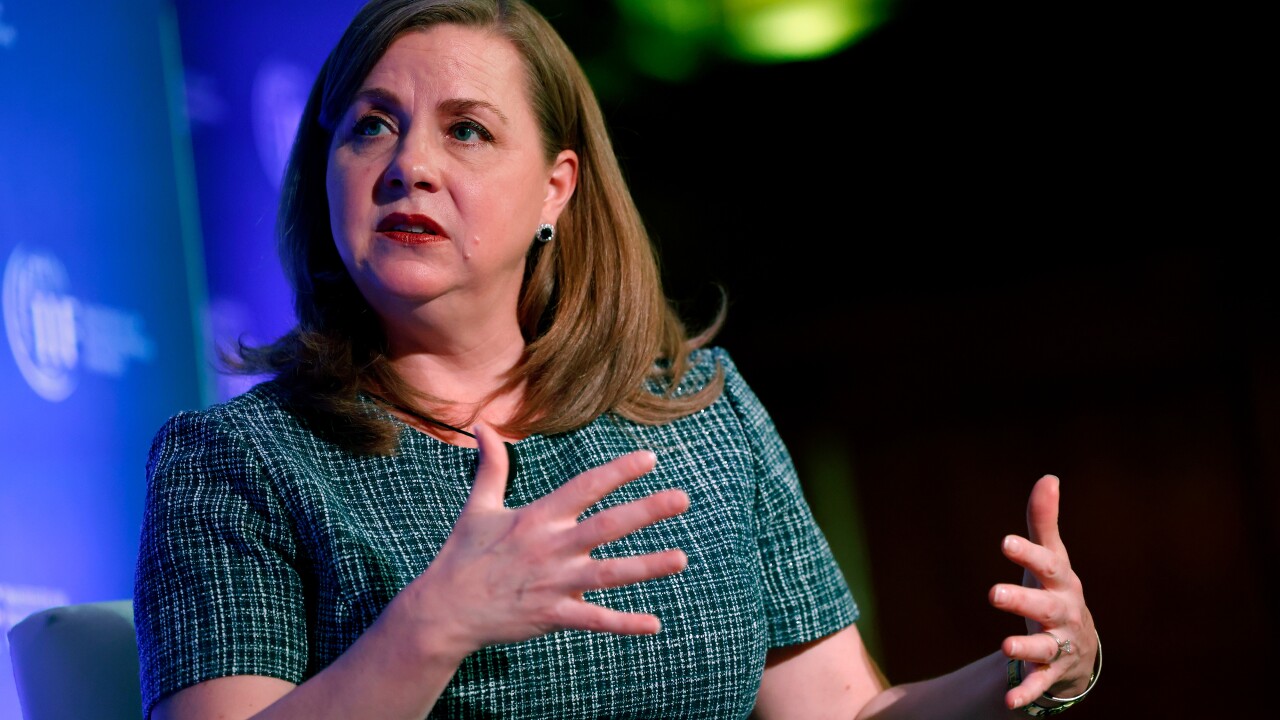
Federal Reserve Gov. Lisa Cook said AI could boost productivity, but warned the transition may raise unemployment and force difficult tradeoffs between inflation and jobs.
February 24 -

The top court's verdict eliminates import taxes that have acted as a restraint on the government's $1.8 trillion budget deficit and the swelling national debt.
February 20 -

Minutes of the Federal Reserve's Jan. 27-28 policy meeting revealed several officials suggested the central bank may need to raise interest rates if price growth remains stubbornly high.
February 19 -

Federal Reserve Vice Chair for Supervision Michelle Bowman said in comments Wednesday that the central bank plans to publish its Basel III endgame capital proposal for public comment before the end of March.
February 18 -
Yields across maturities declined by at least three basis points Friday, led by shorter-maturity tenors that are most sensitive to Fed rate changes.
February 13 -
Traders are now pricing in the Fed's next rate reduction in July, after the term of current Chair Jerome Powell ends in May.
February 11 -

Some yields went to their lowest levels of the past month after data showed a loss of consumer spending momentum, reflecting anxiety about the cost of living and slowing job growth.
February 10 -

The extra yield investors demand to hold 10-year notes compared with their two-year counterparts hit 73.7 basis points this week, just shy of the 2022 high touched in April.
February 6 -

American Banker's 2026 Predictions report finds that nonbank entities and check fraud are major threats to local banks in the coming months.
February 5 -

In a contentious House Financial Services Committee oversight hearing, Treasury Secretary Scott Bessent sidestepped questions on the Trump family crypto conflicts of interest and inflation with pugnacious responses to Democratic lawmakers' questions.
February 4 -

Former Fed Gov. Kevin Warsh is a relatively known quantity to financial markets, but his embrace of President Trump's agenda and the White House's own contentious relationship with the central bank make it hard to know with certainty where — or even whether — he will lead the Fed.
January 30 -

Bloomberg's dollar gauge rallied Friday morning in New York after Trump announced the post on social media. Short-term Treasury yields fell while those on longer tenors rose.
January 30 -

The Federal Open Market Committee voted 10-2 Wednesday to hold the benchmark federal funds rate in a range of 3.5%-3.75%.
January 28 -
The unexpected drop in the Conference Board's gauge of consumer sentiment in January to the lowest level in more than a decade fortified the prospect of two Federal Reserve interest-rate cuts this year.
January 27 -
State regulators say proposed changes by the Federal Reserve that would make state bank examiners the primary boots on the ground will make bank examinations faster, but could cause some issues to go overlooked.
January 27


