-
The $1.7 trillion in purchase lending for the year is the most ever recorded according to Black Knight’s January Mortgage Monitor Report.
 March 7
-
The two states' combined plans amount to over $1.5 billion of the Homeowner Assistance Fund included within the American Rescue Plan Act , which was passed a year ago.
 March 4
-
Meanwhile, 707,104 mortgages remain in forbearance, accounting for a combined $136 billion in unpaid balances.
February 28
-
The number of properties in limbo is up 10.3% from the same time last year, according to Attom Data Solutions.
February 24
-
The New Jersey-specific case could be a sign of how the combined effect of federal debt-collection rules and state regulations may further complicate a compliance-sensitive environment for the industry.
 February 24
-
The portfolio is one of several particularly large, recent deals related to the cash-flows from mortgage payments, but it has an unusual composition.
February 17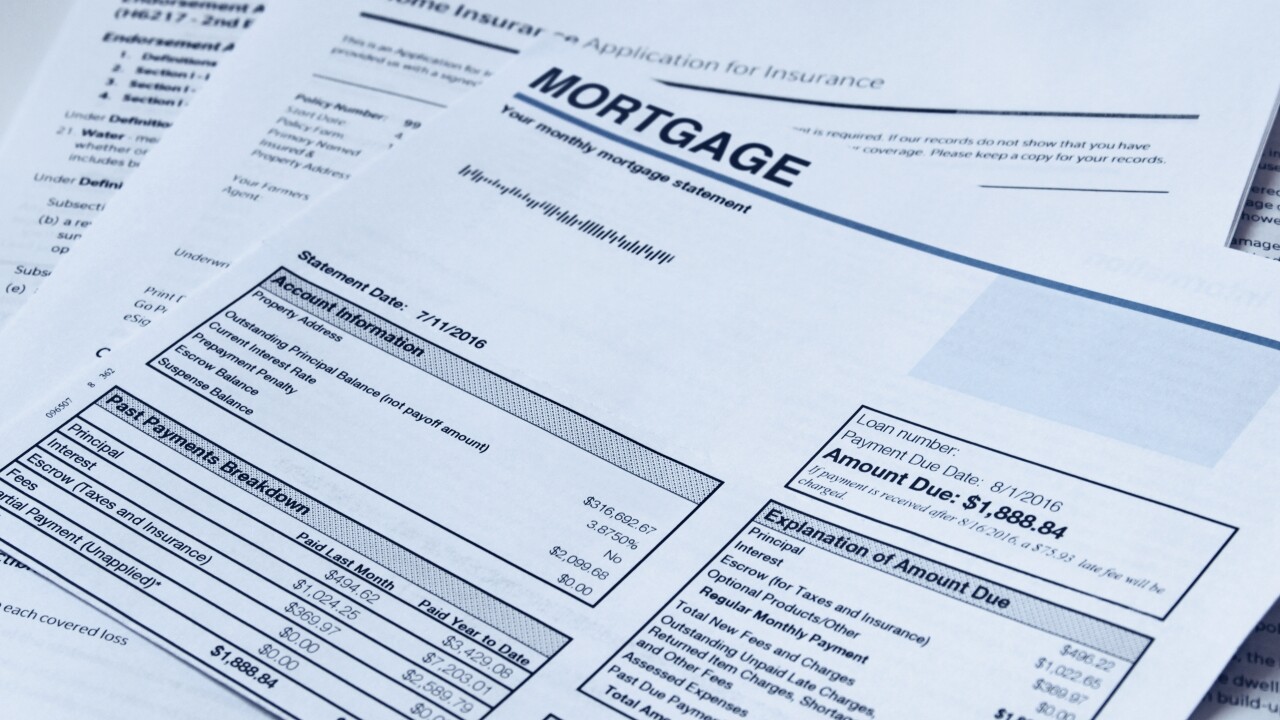
-
An uptick in pandemic-related payment suspensions reflecting new or restarted plan activity previously occurred as the omicron variant spread, but activity has since subsided.
February 7
-
Three housing finance organizations asked for an interactive process similar to that used previously for originations and said they preferred less reliance on life-of-loan indemnification as a remedy.
January 31
-
The change aims to streamline the processing of certain pandemic-related loan options that accommodate lower monthly payment amounts for borrowers with long-term economic hardships.
January 24
-
The Federal Housing Administration has released a statement indicating it’s reviewing allegations by a group of 21 attorneys general that some mortgage companies failed to offer a modification option as required.
January 11
-
Mortgage performance in November was improving, coming close to crossing a key threshold for pandemic-era recovery, but Omicron raises questions about whether that trend will continue.
January 3
-
However, the serious delinquency rate dropped to a point significantly below the market-wide average, and much of the foreclosure activity allowed to proceed did so with new consumer protections in place.
December 22
-
With resources provided through the Homeowner Assistance Fund, the $1 billion plan will help cover homeowners’ past-due payments and comes after New York unveiled a similar assistance package earlier this month.
December 21
-
However, the seven institutions in the Office of the Comptroller of the Currency study service 13% fewer loans compared with the third quarter of last year.
 December 10
-
While over 112,000 loans exited plans in the past week, there is only a modest opportunity for continued improvement in the near term, Black Knight said.
December 10
-
Axylyum, which recently released information about its first named client, offers an alternative to other forms of risk sharing for private companies originating income-producing mortgages.
December 2
-
Like the stock market rout around news of the Omicron variant, the recent increase in payment suspensions suggests financial troubles associated with the pandemic may not be over.
November 29
-
However, the median monthly expense associated with financing is still lower than that for a lease.
November 24
-
The decline in late payments recorded in a trade group survey raise hope that many servicers will bear up under a wave of tighter enforcement coming from regulators.
November 10
-
The number of plans is less than one-fourth of what it was at its pandemic peak, and many are expiring, so the group will replace the weekly measure with a monthly one.
November 8


