-
Executives speak on the uncertainty created by the Russia-Ukraine war and Federal Reserve announcements.
 March 14
-
In addition to the Russia-Ukraine conflict, persistent inflationary pressures and expected monetary policy moves are contributing to volatility.
 March 10
-
The effect of the conflict and upcoming Fed announcements have left much of the industry guessing about what happens next.
March 3
-
Strong economic data was countered by international political developments, sending the 30-year rate lower for the first time in a month.
February 24
-
Inflation data showing a 7.5% increase in consumer prices will likely lead to Federal Reserve moves that apply continued upward pressure.
February 10
-
The latest jobs and economic numbers pave the way for additional upward movement throughout 2022, analysts said.
January 13
-
December's activity was down 18% from November, led by a 23% drop in purchase volume and a 17% decline in rate-and-term refinancings, Black Knight said.
 January 10
-
Despite the rising number of COVID infections, investors made no moves that would apply downward pressure.
January 6
-
The central bank’s new tone has many in the industry planning for potential volatility in 2022.
December 16
-
However, economic data points to likely future increases, with investors awaiting numbers from upcoming jobs report.
October 7
-
Taper announcement, slowing COVID cases help remove downward pressure, leading to increases across all loan-term types.
September 30
-
The home price increases and the ongoing inventory shortage made buying conditions difficult and many think it’s only getting more challenging, according to RealtyTrac.
 September 29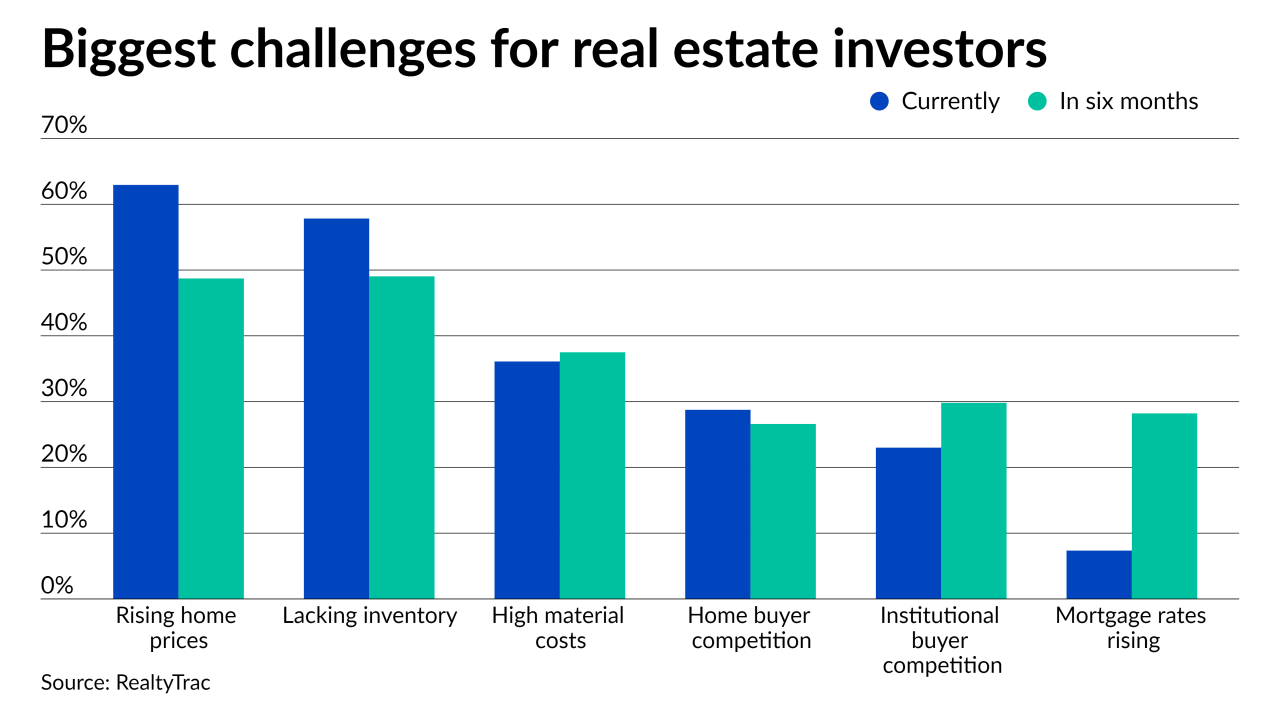
-
Foreign investment helped offset a slowing domestic recovery, causing few ripples for the week, but economists expect future taper of bond purchases to lead to upward movement.
September 23
-
COVID-19 concerns, inflation hold back actions that might change current patterns.
September 16
-
Effects of major economic announcements this summer have had little impact on the lending market, with averages remaining under 3% since July.
September 9
-
The 30-year average has remained below 3% for two months.
September 2
-
Increasing COVID-19 numbers offset promising economic figures, resulting in minimal changes.
August 26
-
Meanwhile, investors await word from the central bank regarding monetary policy, as limited housing supply continues to drive prices upward.
August 19
-
But average loan sizes remain near record highs, with summer purchases of new constructions continuing to drive up prices.
August 18
-
An equal split of refinance and purchase rate locks occurred during July, helped by elimination of the adverse market fee, Black Knight said.
August 9


