-
But Mary Daly, president of the San Francisco bank, said it's premature to declare victory against inflation and that the central bank isn't contemplating rate cuts at all right now.
November 30
-
The reference pool that supports the credit-linked notes contain 97,444 fully amortizing, fixed-rate prime auto loans that have a total balance of $2.46 billion.
 November 30
-
The decision narrows scope of impacted transactions and participants, to the market's relief.
November 30
-
The securitization charge is starting from a low point, which represents about 1.9% of the total monthly electricity bill, while the ratepayer base is diverse and economically stable.
November 29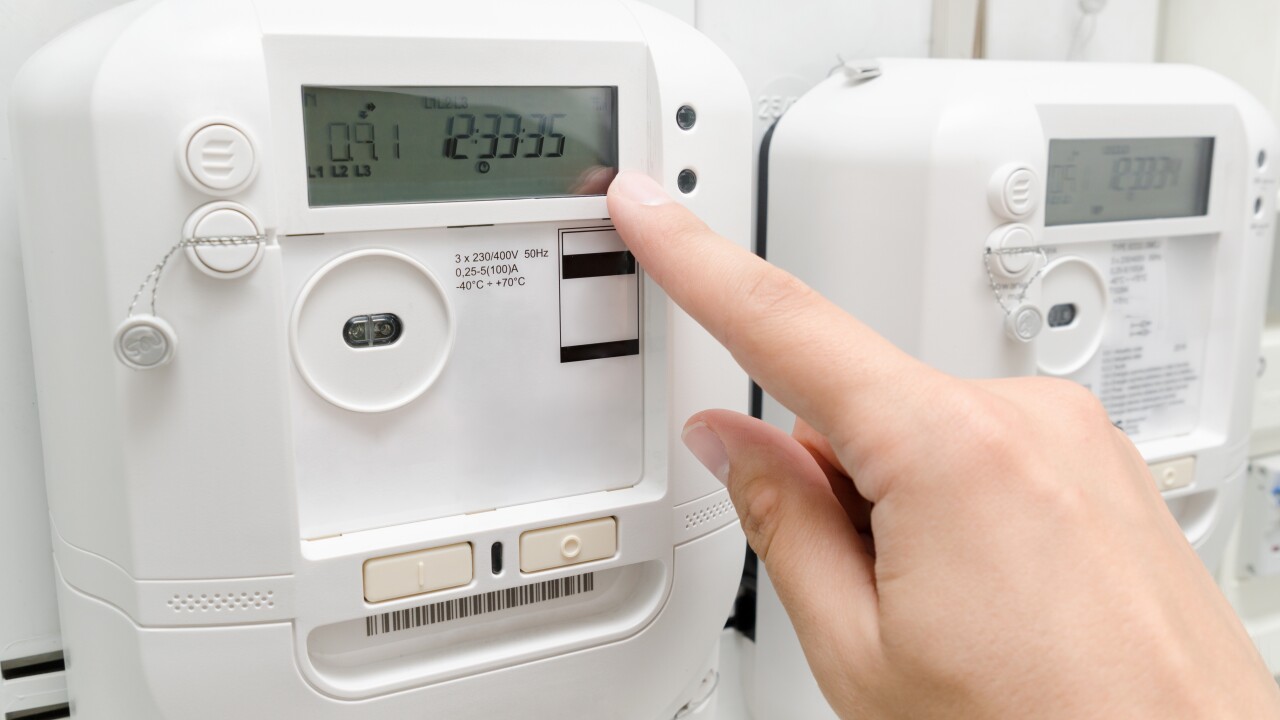
-
While Pagaya searches for a permanent successor, the company has named deputy CFO Evangelos Perros as interim CFO. Perros himself was named as deputy CFO in September 2023.
November 29
-
All of the class A notes have total hard credit enhancement levels of 22.35%, and notes have legal final maturity dates ranging from Nov. 15, 2024 through Dec. 15, 2032.
November 28
-
Higher education debt originations are poised to turn a corner next year amid industry changes. The big question for observers is whether securitization will follow in 2024 business.
November 28
-
The notes benefit from subordination, overcollateralization, a reserve account and excess spread. Nelnet Servicing is also on the deal as a backup servicer.
November 27
-
Classes B, C, D and E benefit from credit enhancement levels amounting to 41.35%, 28.45%, 15.30% and 6.15%, and enhancements include a reserve account, excess spread and subordination.
November 22
-
The deal could be upsized to $1.3 billion in issuance, and benefit from several layers of credit enhancement, including a reserve fund, excess spread and overcollateralization.
November 22
-
Expectations are for the notes to price at 18 basis points over the three-month interpolated yield curve on the A1 notes, which get 'A1+' and 'F1+' from S&P and Fitch.
November 21
-
Asset managers said in interviews last week that they're comfortable buying Treasuries and other high-quality bonds at levels they finally see as attractive.
November 21 -
CyrusOne Data Centers Issuer 2023-2 adds a property in Virginia, a state that accounts for a large portion of data center locations.
November 21
-
The collateral pool had an average account balance of $1,620, lower than that of credit card securitization trusts that the Big Six banks sponsor, and the ABS notes benefit a 26% subordination level.
November 20
-
The annual inflation rate has dropped to 3.2% in October from its 2022 peak of more than 9% after the Federal Reserve embarked on an aggressive campaign to cool price pressures.
November 20
-
In a rare glimpse into the opaque world of private credit, a recent review of credit "estimates" by S&P Global Ratings showed that the quality of debt extended by private lenders to dozens of companies whose loans are bundled into CLOs is deteriorating.
November 17
-
Ratings analysts say the A1 through A3 tranches benefit from total hard credit enhancement of 43.00% of the deal's initial principal balance, which includes subordination and a non-declining reserve account of 1.00%.
November 17
-
Just two of the loans have existing additional debt, representing 11% of the pool. The pool has an in-trust appraisal loan-to-value ratio of 54.5%. On a pooled trust basis, the deal has an LTV ratio of 81.5%.
November 16
-
The company is coming off of a recent period of performance improvements, with gains in net income, cash and cash equivalents.
November 16
-
DEXT is very diversified by equipment type. Enterprise technology, medical technology and surgical equipment account for the top three concentrations, representing 22%, 16% and 10% of the portfolio.
November 15


