-
The current transaction has the largest collateral pool that the platform has issued all year, with 294 loans, and it has the highest percentage of conforming loans, at 45.1%.
 September 10
-
OBX 2026-AHC4 is expected to pay coupons ranging from 0.50% on the interest-only, exchangeable tranches to 6.30% on senior exchangeable notes.
September 1
-
JPMorganChase, Goldman Sachs, Citi, Morgan Stanley, Wells Fargo and Bank of America are among the biggest backers of data centers. Community opposition isn't slowing them down, but it's making them rethink their approach to managing risks.
 August 31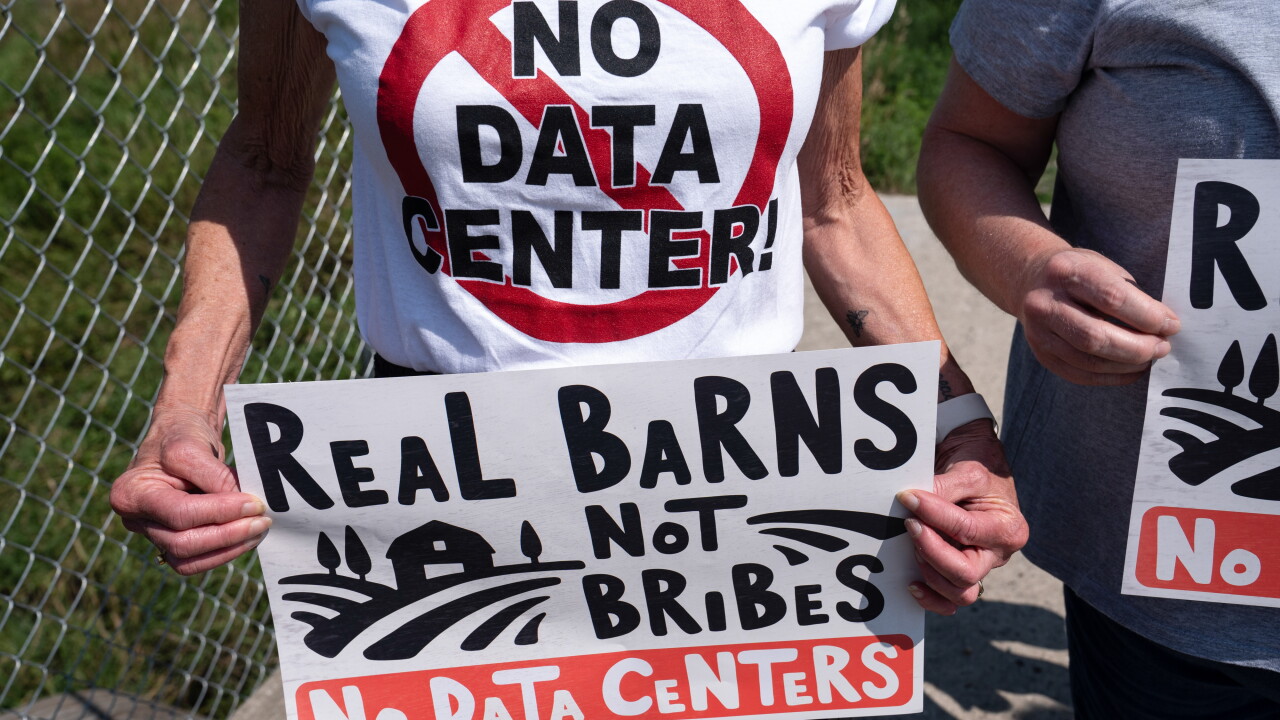
-
The class A notes include first cash flow and last cash flow tranches, both of which benefit from 28.31% in credit enhancement.
August 19
-
The structure contains seven tranches of class A notes, including two tranches for first cash flow and last cash flow, both initially exchangeable.
August 14
-
The structure includes a stop-advance feature, which will prevent the servicer from providing scheduled interest and principal on loans that are 120 days or more delinquent.
August 6
-
CIP, which specializes in energy infrastructure, is working with Morgan Stanley on a collateralized fund obligation. The transaction could be around $1 billion.
July 22
-
The investment banking giant has a hefty amount of excess capital, some of which is being used to meet client demand. At the same time, the company is open to opportunities to do bolt-on acquisitions, CEO Ted Pick said.
 July 15
-
A cash trap provision calls for half of available funds to be deposited into the cash trap reserve sub-account if the debt service coverage ratio (DSCR) is between 1.35x and 1.275x.
July 8
-
The A-1-V notes are not expected to be drawn at close and will have to observe certain leverage and debt service coverage ratio (DSCR) conditions.
June 23
-
The IPO comes on the heels of several listings by companies seeking to benefit from the rapid growth of AI.
June 17
-
Aspire will raise $468.8 million from a pool of 917 residential mortgages, which are primarily fixed-rate.
June 15
-
The senior notes will repay investors pro rata, and the mezzanine and subordinate notes will repay sequentially.
June 5
-
A delinquency test requires that excess cash pay down the notes sequentially if the aggregate delinquent loans represent more than 5.0% of the portfolio balance's average loan balance.
June 4
-
NRMLT 2026-NQM7 combines pro rata and sequential payment priorities, with the class A receiving principal on a pro-rata basis before principal is paid to the mezzanine or class B notes sequentially.
May 29
-
Three tranches of notes will be issued to investors, and the A2 tranche will issue the bulk of the debt, $613.7 million. Also, the notes have an anticipated repayment date of June 2031.
May 19
-
The deal features a principal acceleration trigger. If breached, the transaction will divert all additional funds to paying down the principal on the notes.
May 7
-
The A1 VFN tranche is a variable funding note whose proceeds can be used for general corporate purposes, including acquisitions.
May 6
-
The Treasury anticipates keeping nominal note and bond sale sizes unchanged "for at least the next several quarters," the department said on Wednesday.
May 6
-
An array of unnamed originators accounted for the large majority of originators in the pool, 89.3%, the rating agencies said, while Hometown Equity Mortgage originated 10.7% of the pool.
May 5


