-
Investors remain wary of calling a top in yields after a steady march higher from mid-August as the economy expands amid booming AI infrastructure spending.
1h ago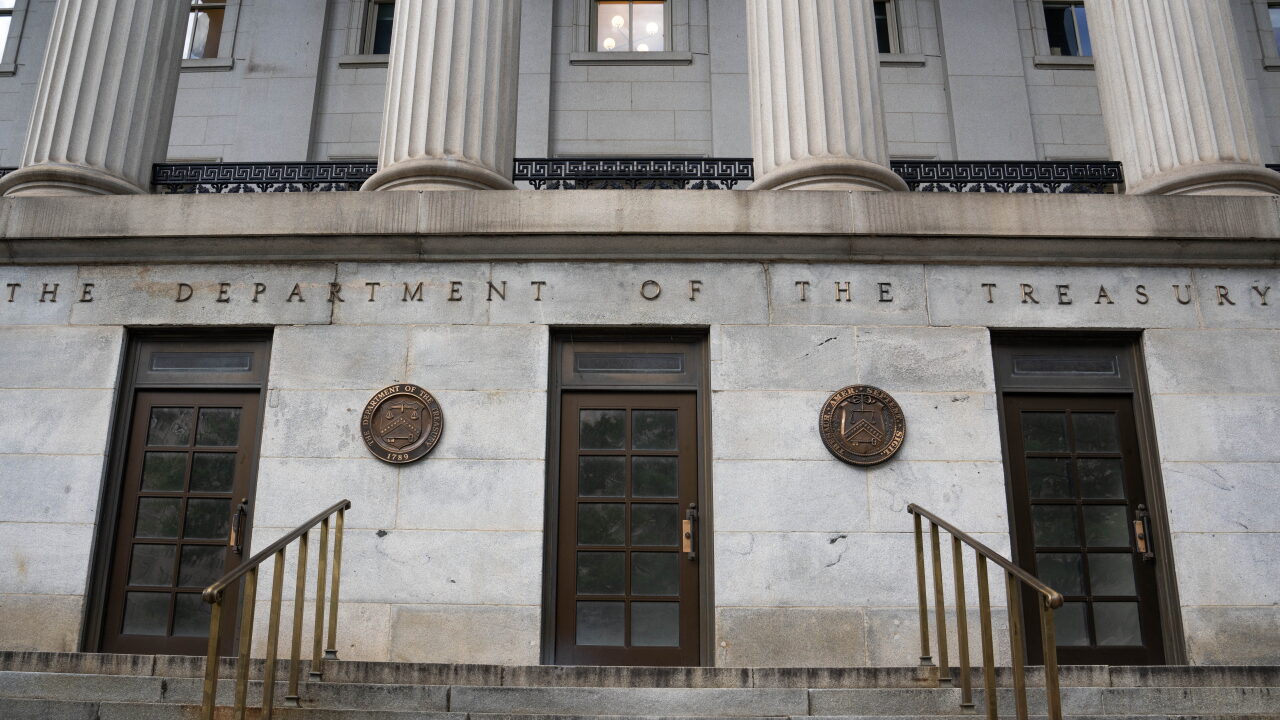
-
Treasuries rose on Friday after the US added fewer jobs than expected in September and unemployment edged higher, pushing the yield on two-year notes lower by as much as 10 basis points to 4.69%.
October 2
-
The yield on the 10-year Treasury note briefly rose above its 2007 peak to trade at 5.34% on Thursday. Earlier this week, the rate on 30-year US bonds also hit a 24-year high.
October 1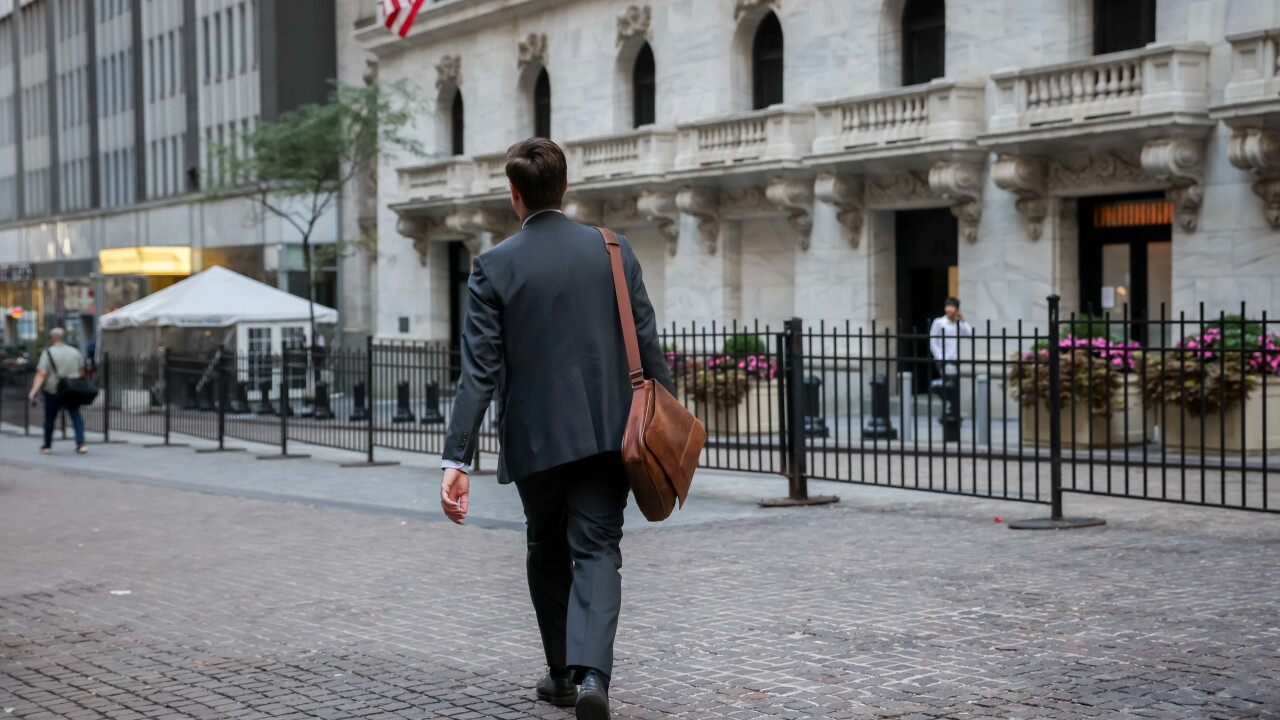
-
The latest leg higher came as elevated energy prices added to inflationary pressures and corporate new issues weighed on the market.
September 29
-
The declines pushed most US yields higher by 10 basis points in mid-morning trading, with 10- and 30-year benchmark yields near the highest since 2007 and 2004.
September 28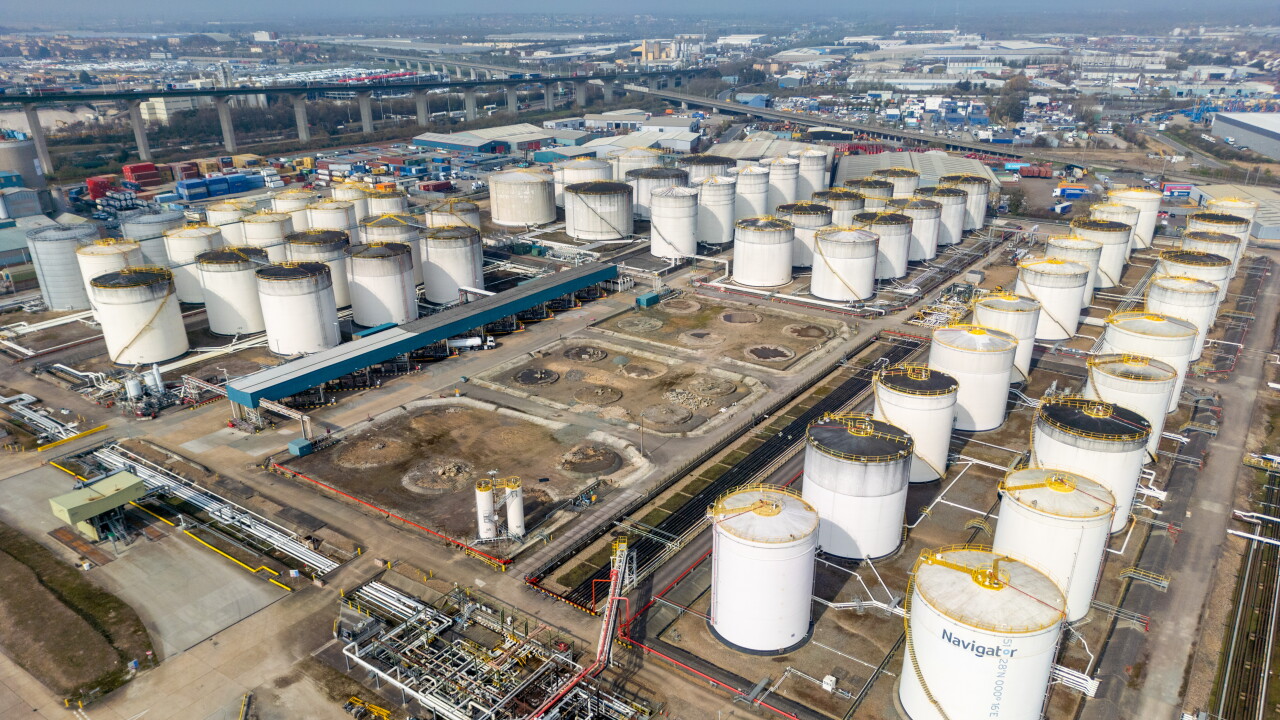
-
Liability management exercises are driving defaults and complicating recoveries in collateralized loan obligation pools.
September 28
-
A fresh jump in oil prices on Thursday lifted five- to 30-year Treasury yields to new multiyear highs in choppy U.S. trading, with the 30-year rising as much as seven basis points to 5.47%, its highest since 2004.
September 24
-
Rising oil prices sparked the declines earlier in the session, fanning worries around elevated inflation and punishing European government debt as well.
September 23
-
The Wall Street heavyweight is in talks to buy Palmer Square Capital Management, the husband-and-wife-run firm that has grown to become one of the biggest issuers of collateralized loan obligations.
September 22
-
While the Fed move was expected, Chairman Kevin Warsh's rhetoric on inflation drove up market-implied expectations for at least one more increase this year and as many as two more in 2027.
September 17
-
The Elliot-backed manager doubles down on research and expertise to confront market challenges, including tight arbitrage and a looming 2028 debt maturity wall.
September 17
-
Economists in a recent Bloomberg survey expected policymakers to hold their outlooks for unemployment and inflation largely unchanged.
September 16
-
There has been a stark change in regime when 10-year yields go much above 5.25%. After that point, the risks to bond volatility and hence stock vol and credit spreads markedly increase.
September 15
-
nterest-rate swaps showed traders ramped up bets on higher benchmark rates in the months ahead, with sticky price pressures seen pushing policymakers led by Fed Chairman Kevin Warsh to act.
September 11
-
Thursday's purchases were under increased scrutiny as the first since Bessent unexpectedly announced that the department would "at least double" the size of operations previously penciled in at $2 billion.
September 10
-
Palmer Square engaged bankers who have been fielding offers and whittling down a list of potential bidders.
September 9
-
Credit premiums remain subdued and downside protection across risky assets is still relatively cheap. Even the strain in market plumbing has been concentrated.
September 6
-
Waller said he was "willing to support holding the policy rate at its current level" if inflation continued moving toward the Fed's 2% target.
September 3
-
The move started on Friday after Federal Reserve Chairman Kevin Warsh doubled down on his vow to finally tame inflation, and has extended as energy prices rose on conflicts in the Middle East.
September 1
-
The emergency household-repairs provider is offering $1.8 billion of bonds backed by its assets through a whole-business securitization led by Jefferies Financial Group.
August 31


