-
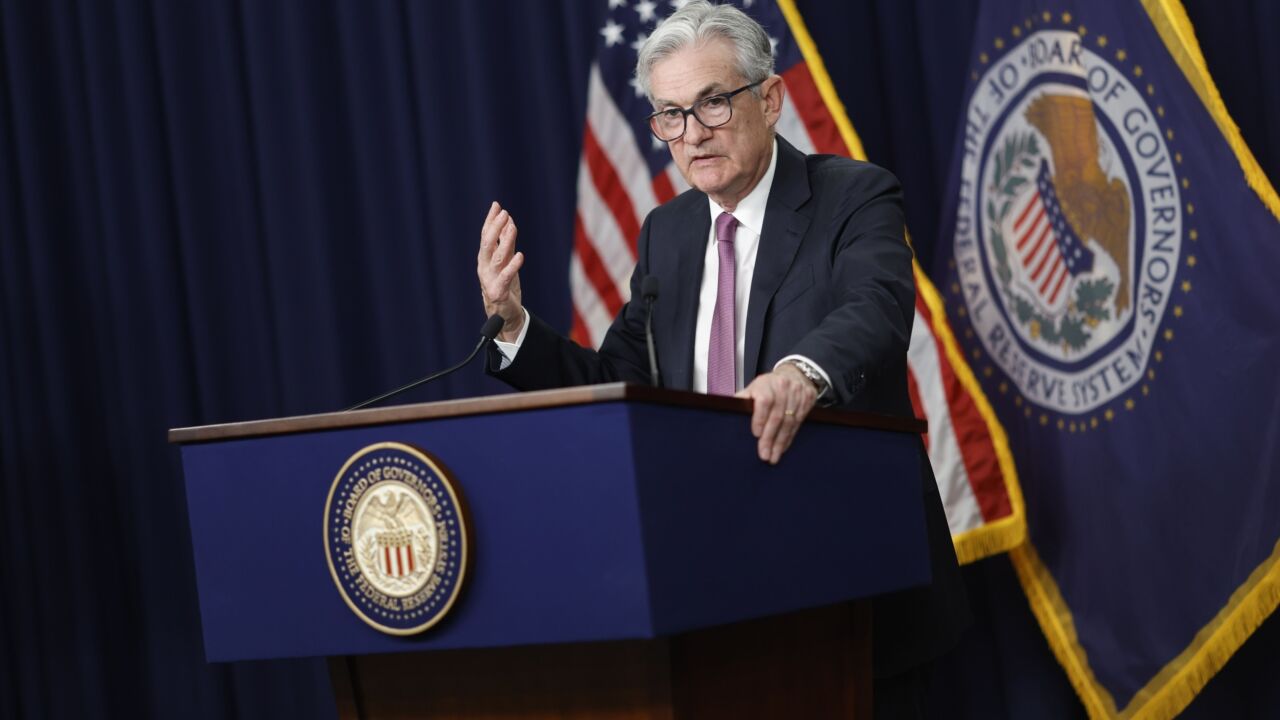
U.S. assets whipsawed Wednesday by reports Trump was preparing to fire Powell, with shorter tenors rallying on the prospect that could lead to faster interest-rate cuts.
July 17
-
The recent rally was driven by economic data that reinforced wagers on at least two rate cuts this year, as well as speculation President Donald Trump will name a more dovish successor to Jerome Powell.
June 27
-
Yields across maturities declined, with those on two-year notes falling five basis points and most reaching the lowest level in more than a month.
June 26
-
Some allies of the president have pushed for Treasury Secretary Scott Bessent to get the job, according to people familiar with the matter, a notion that a senior administration official disputed.
June 25
-
Bond investors are on alert for hints on when the Federal Reserve will deliver the two 2025 interest-rate cuts officials projected at their latest policy meeting.
June 23
-
Powell said as policymakers look for more clarity on tariff policies, the risks of higher inflation and unemployment have increased due to President Donald Trump's sweeping levies.
May 12
-
The declines on Thursday pushed two- to 10-year yields higher by at least 10 basis points on the day after President Donald Trump urged people to buy stocks based on the latest trade developments.
May 9
-
With the central bank expected to keep its benchmark rate steady at 4.25%-4.50% on Wednesday, traders will be scrutinizing comments by Fed Chair Jerome Powell.
May 7
-
The pace of hiring drove traders to dial back rate-cut bets that had steadily mounted as Trump's trade war unleashed havoc in financial markets and sowed fears of a US recession.
May 5
-
As President Donald Trump approaches his 100th day in office, he has generated a growing list of unknowns, forcing traders to focus on a broad array of issues beyond just the likely path of interest rates.
April 28
-
At the Oval, Trump didn't respond to a follow-up question from a reporter about whether he was trying to remove him.
April 17
-
US bonds have been whipsawed this month as President Donald Trump's move to impose global tariffs raised threats to the economy, undermining Treasuries' reputation as the world's safest asset.
April 16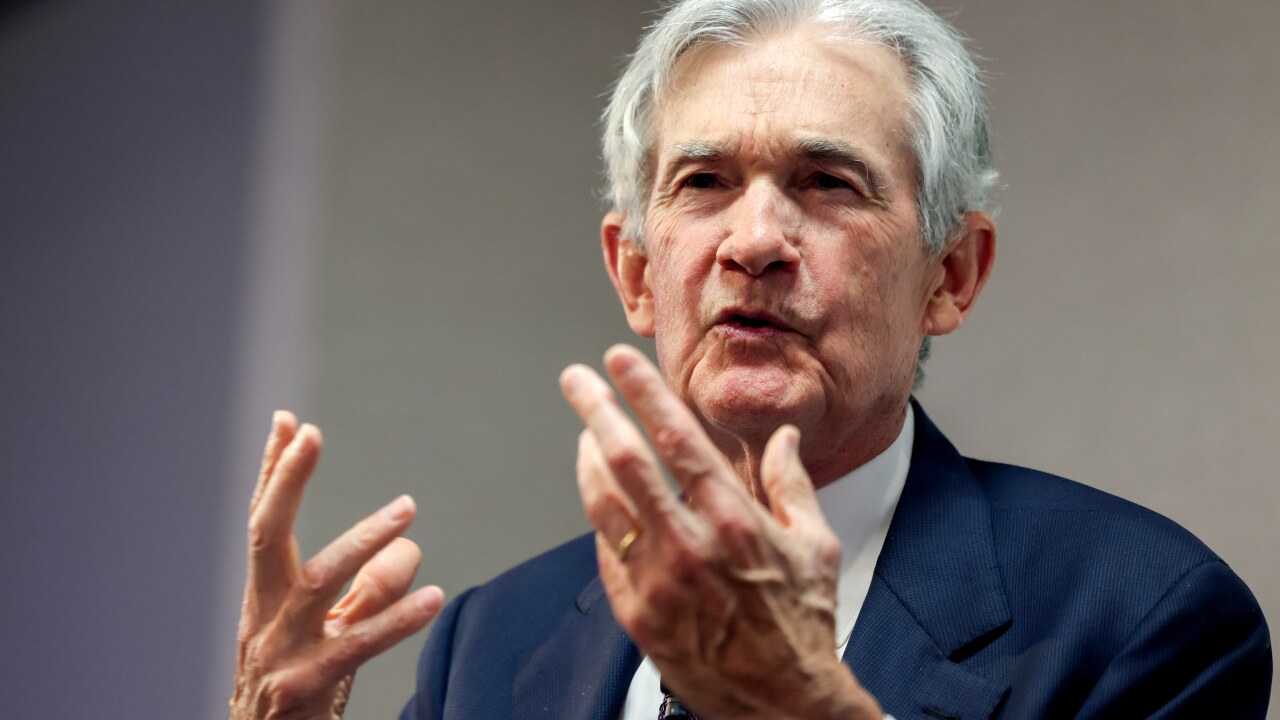
-
Bessent reiterated his interpretation of the decline being mainly a product of deleveraging, saying he had no evidence that sovereigns were behind the drop.
April 14
-
The bid for havens also saw traders boosting bets on Fed interest-rate cuts, fully pricing in a quarter-point move by June.
April 3
-
Chair Jerome Powell repeated the central bank is not in a hurry to adjust borrowing costs. Officials can wait for greater clarity on the impact of policies.
March 19
-
The bond market in the past month has been caught between signs that US economic growth is slowing.
March 7
-
Notably, Trump described the January decision to hold rates steady – which looks set to be the Fed's stance for some time — as "the right thing to do."
February 28
-
Long-maturity yields rose as much as four basis points, with the 10-year note's stalling at around 4.53%. A gauge of the dollar held steady after two days of gains.
February 11
-
Strong economic growth coupled with a solid labor market allows officials to wait for further evidence of cooling inflation before adjusting rates again. It also offers them time to evaluate President Donald Trump's policies.
January 29
-
The Federal Reserve is poised to make several key decisions during the year ahead that will impact monetary policy both in the near term and for years to come.
 December 25