-
At the Oval, Trump didn't respond to a follow-up question from a reporter about whether he was trying to remove him.
April 17
-
US bonds have been whipsawed this month as President Donald Trump's move to impose global tariffs raised threats to the economy, undermining Treasuries' reputation as the world's safest asset.
April 16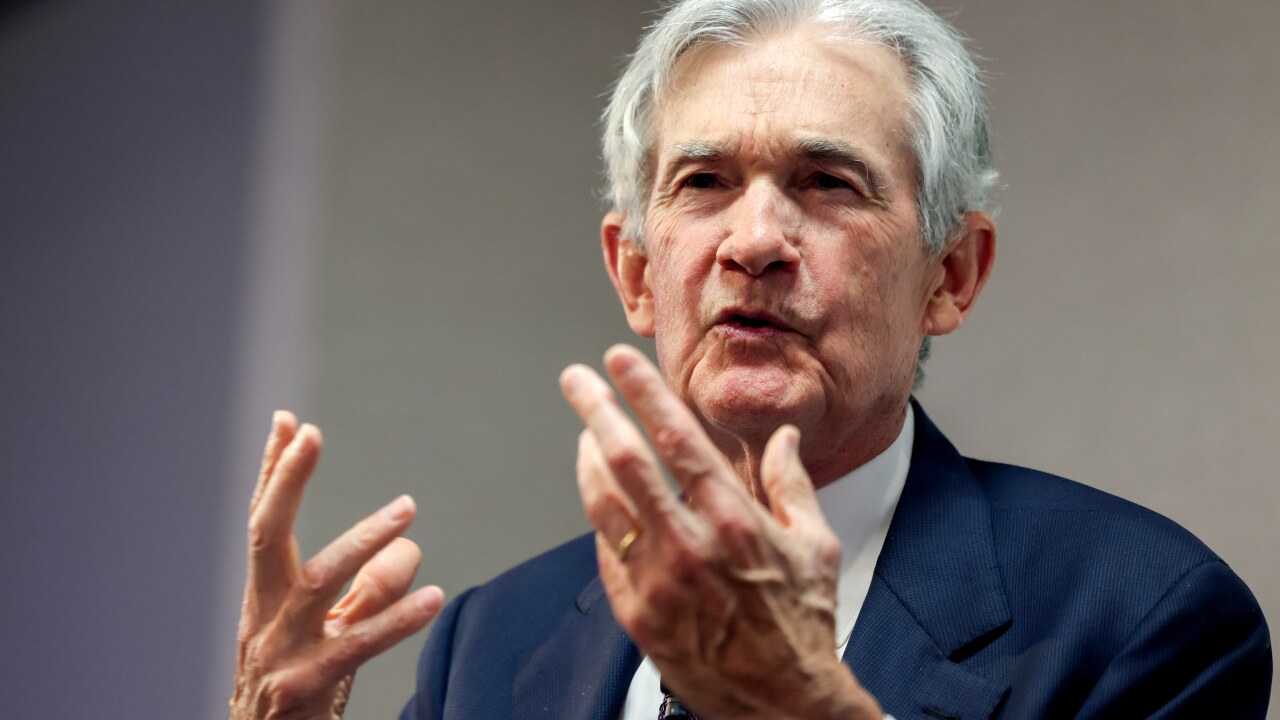
-
Bessent reiterated his interpretation of the decline being mainly a product of deleveraging, saying he had no evidence that sovereigns were behind the drop.
April 14
-
The bid for havens also saw traders boosting bets on Fed interest-rate cuts, fully pricing in a quarter-point move by June.
April 3
-
Chair Jerome Powell repeated the central bank is not in a hurry to adjust borrowing costs. Officials can wait for greater clarity on the impact of policies.
March 19
-
The bond market in the past month has been caught between signs that US economic growth is slowing.
March 7
-
Notably, Trump described the January decision to hold rates steady – which looks set to be the Fed's stance for some time — as "the right thing to do."
February 28
-
Long-maturity yields rose as much as four basis points, with the 10-year note's stalling at around 4.53%. A gauge of the dollar held steady after two days of gains.
February 11
-
Strong economic growth coupled with a solid labor market allows officials to wait for further evidence of cooling inflation before adjusting rates again. It also offers them time to evaluate President Donald Trump's policies.
January 29
-
The Federal Reserve is poised to make several key decisions during the year ahead that will impact monetary policy both in the near term and for years to come.
 December 25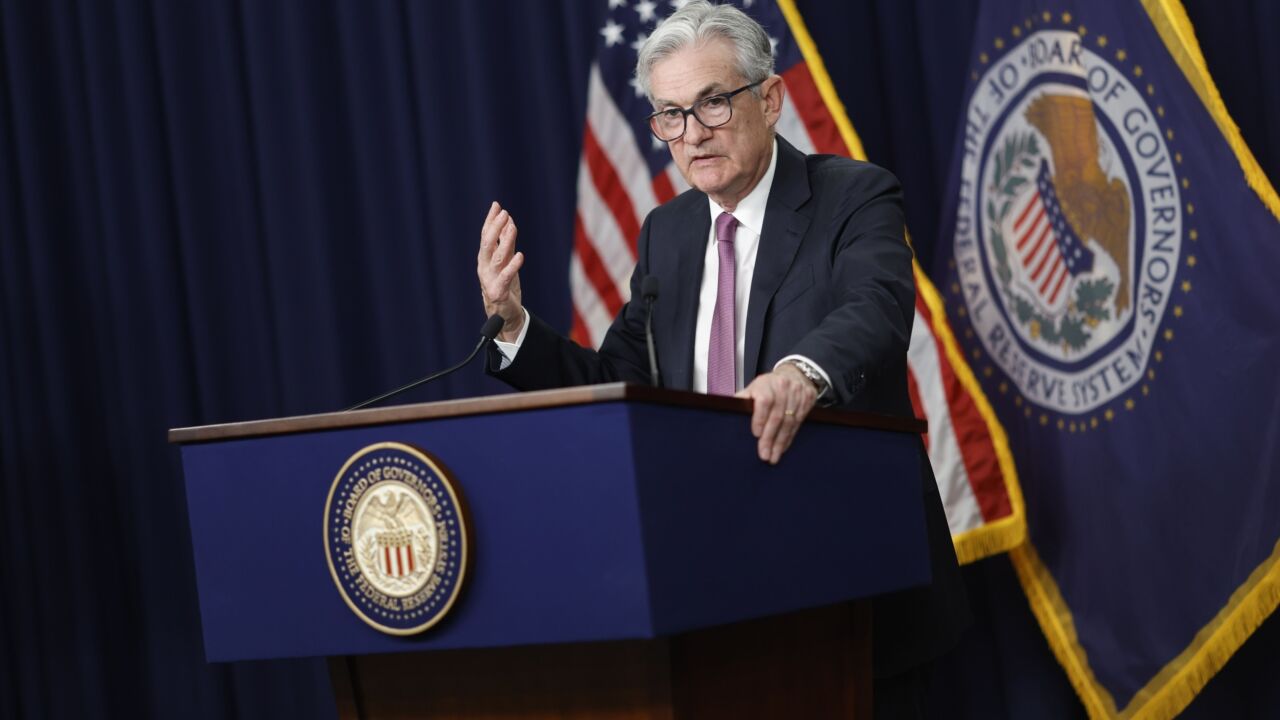
-
Bonds and stocks are rallying ahead of a critical Fed meeting. But this time, the central question for Chair Jerome Powell is which approach — reducing rates by 25 basis points or 50 basis points.
September 17
-
In the run-up to Powell's Jackson Hole speech, Treasuries tumbled across the US curve, with the move led by shorter maturities.
August 22
-
Fed Chair Jerome Powell has been focused on so-called supercore CPI – core prices excluding housing – because he sees this segment of the services industry affected by a tight labor market.
May 10 -
Senate Democrats insist the GOP's boycott of President Biden's picks for the Federal Reserve is interfering with the central bank's handling of an economic crisis. But GOP lawmakers say the Fed is functioning fine and their concerns about nominee Sarah Bloom Raskin are material.
 March 3
-
Sens. Sherrod Brown and Elizabeth Warren criticized Federal Reserve Chair Jerome Powell over reg relief policies instituted by the central bank, signaling that some progressive lawmakers may be reluctant to give him a second term.
July 15
-
Federal Reserve Chairman Jerome Powell said the market dislocations of the past year resulting from the pandemic had changed the impact that the supplementary leverage ratio was having on the largest banks. After temporarily easing the requirement, the central bank is considering longer-term reforms.
June 16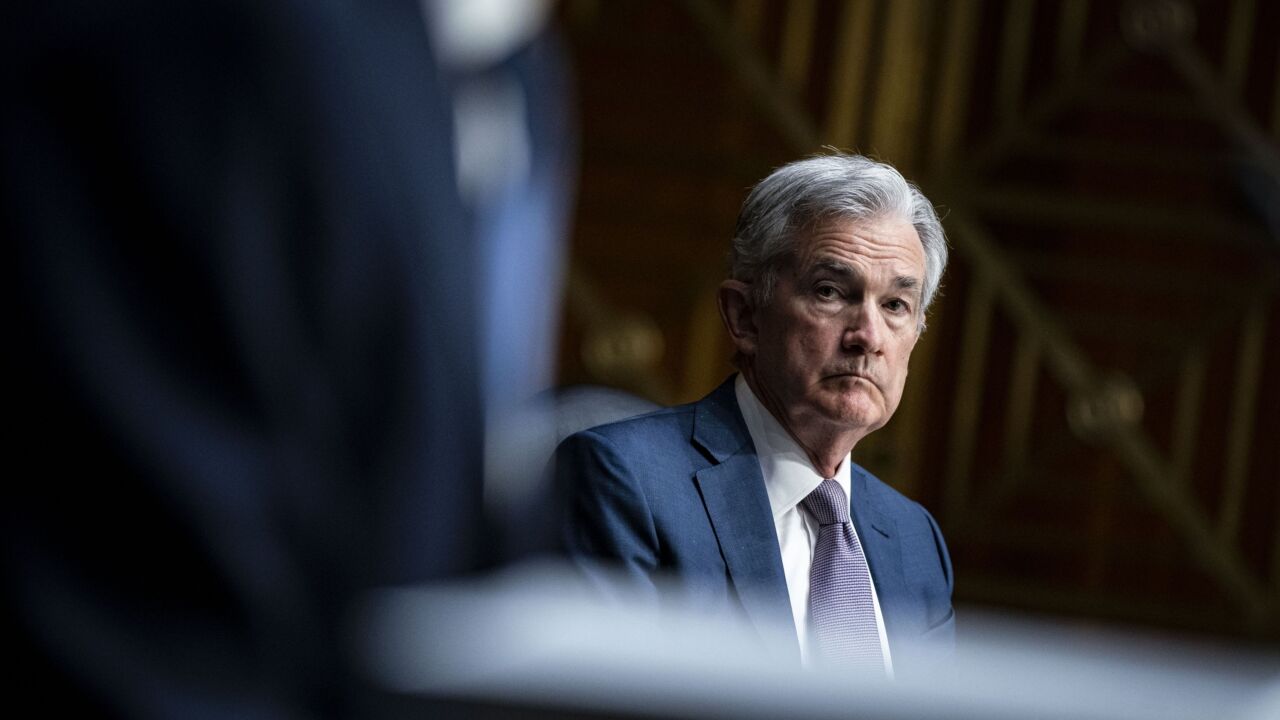
-
Federal Reserve Chair Jerome Powell is dismissing claims that loose monetary policy has led to rising home values and shrinking inventory and insists that the market is buoyed by creditworthy borrowers and investors.
April 28
- LIBOR
The heads of the Federal Reserve and Treasury are urging passage of legislation that would replace Libor with the Secured Overnight Financing Rate in certain contracts. That would spare banks litigation over trillions of dollars of contracts when Libor expires in 2023.
March 26
-
As government debt swells, the outer limits of what the U.S. can safely borrow are becoming less and less clear.

-
The Federal Reserve is credited with containing damage to the financial system from the coronavirus pandemic, but experts say the limits of the central bank’s power to prop up the economy will likely become more apparent in the new year.
December 28


