

Donna M. Mitchell is a financial journalist based in the New York metro area with expertise covering structured finance, commercial real estate, and wealth management. Her work has appeared in Forbes, Next Avenue, Financial Planning and National Real Estate Investor.
-

A five-year-loan is financing Lyrik, a 495,275-square-foot, 20-story office tower, plus 38,012 square feet of retail space in Boston's Back Bay area, a premiere office submarket.
April 17 -

Analysts expect the pool to be composed of receivables primarily from franchise dealers that offer indirect financing to consumers often overlooked by traditional financing sources such as banks.
April 16 -

KBRA noted that debt service coverage ratio underwriting accounted for the largest portion of the loans in the pool, 35.0% and 52% of borrowers in the pool are self-employed.
April 15 -

The benchmark on the class A2 could change under certain circumstances, and the maximum allocation to the A2 notes will be 50% of the overall size of the A class.
April 15 -

Recent securitizations have seen a shift toward sport-utility, crossover utility and electric vehicles, as well as higher concentrations of the Kia and Genesis brands.
April 14 -

Schwartz advises clients on convertible 144A offerings, as well as private investments in public and private companies.
April 14 -

Iskandar and Kaveh have a liquidity reserve of about $16.3 million at closing, and a cash-trapping trigger if the three-month average class A debt service coverage ratio (DSCR) falls below 1.45x.
April 13 -

Zayo Issuer, series 2026-1 and 2026-2, uses a master trust structure that will initially issue five tranches of classes A, B and C notes, and can issue additional classes if they meet certain conditions.
April 11 -

The deal will issue floating-rate notes, through the A-1B tranche, while underlying variable-rate loans are pegged to either CME Term SOFR or the 30-day average SOFR.
April 10 -

The sophomore outing follows a similar structure as the Clarus 2024-1, with six tranches of class A, B, C, D and E notes. The A2 tranche will issue the bulk of notes, $165.4 million.
April 9 -

The underlying collateral pool is composed of 45,323 receivables, which have an average remaining loan balance of $30,210, and an average percentage rate (APR) 5.56%.
April 9 -

The public and large institution segment make up 89.7% of obligors, up from the 87.7% seen in DEFT 2025-2, an increase that was driven largely by an increase in the large enterprise institution segment.
April 8 -

The proceeds from PAID 2026-R2 will fund a purchase account, which will purchase unsecured consumer loans from PAID 2024-2 and 2024-3.
April 7 -
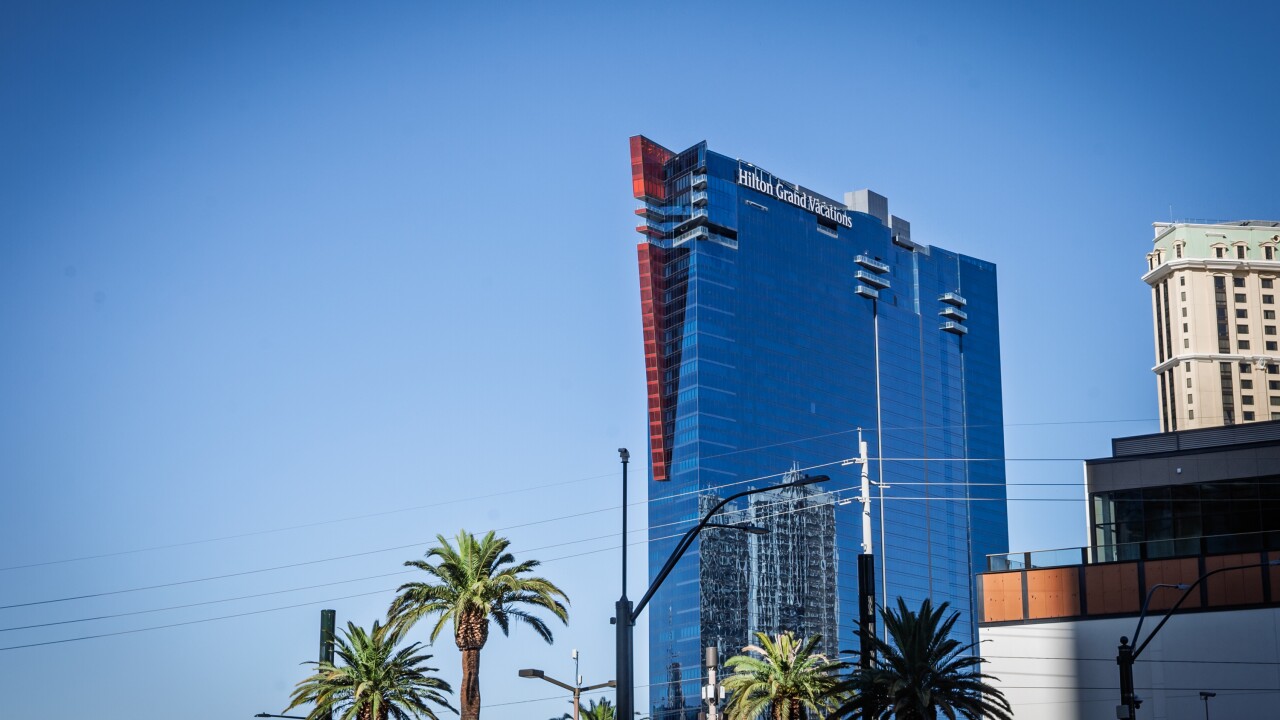
Loans with original balances higher than $100,000 accounted for 16.1% of the pool, down from 20.3% in the 2025-2 pool of the Hilton Grand Vacations Trust.
April 6 -

All 244 underlying loans initially had a period of fixed rates between 60 and 120 months at origination and are currently ARMs, although none are interest-only.
April 2 -

The deal increased its initial credit enhancement levels across the board, with the A-, BBB and BB- notes benefiting from levels of 21.89%, 1.89% and 5.74%, respectively.
April 1 -

Loans originated under Sallie Mae's Smart Option loan program, which have demonstrated significantly lower default rates compared with those from the Signature program, make up the entire collateral pool.
March 31 -

Full documentation was completed on just 17.9% of the pool, Fitch said, while bank statements and debt service coverage ratio (DSCR) account for 17.6% and 28.0%, respectively.
March 31 -

The mortgage's proceeds, with $518 million of cash equity contributed by the sponsor, will also be used to buy Hawaii-based Alexander & Baldwin, a commercial property REIT.
March 30 -
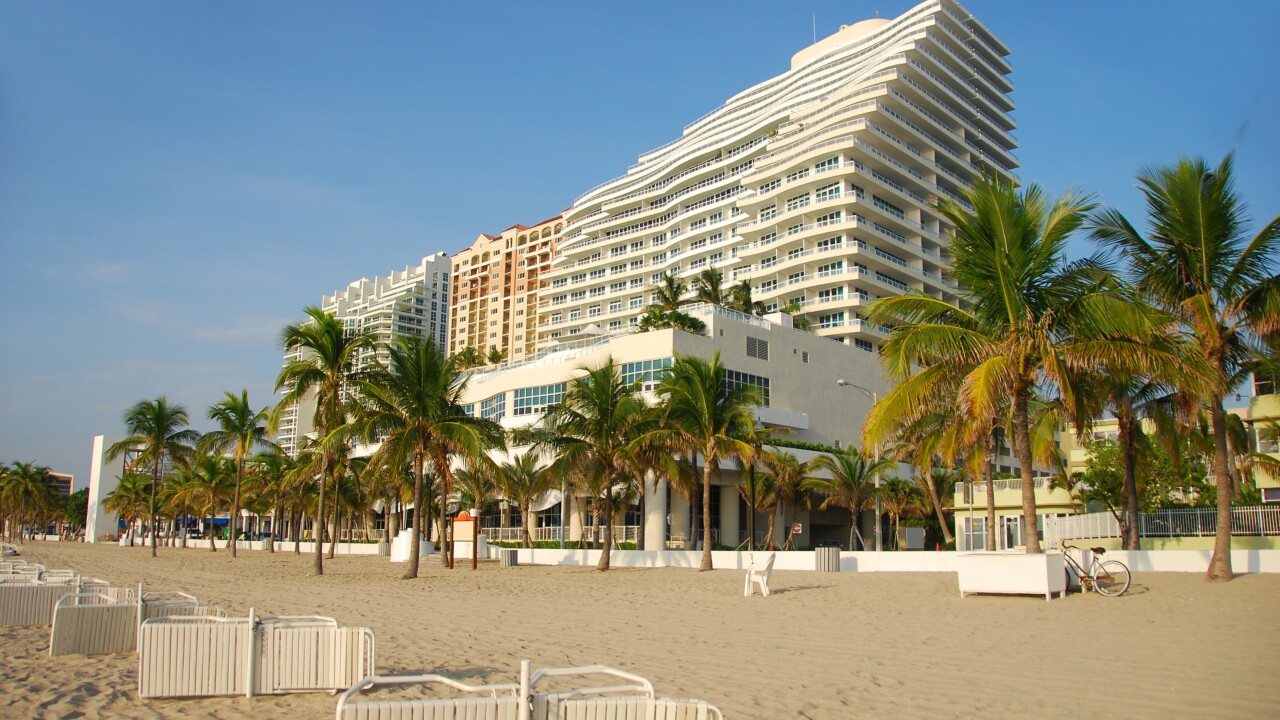
The deal structure includes credit support from a full turbo structure. All excess cash flow will be used to repay note holders without the issuer receiving excess spread until the notes are fully repaid.
March 27


