-
If delinquency rates rise, all four stand-alone firms would have a capital shortfall.
 June 9
-
The new FHFA rule sets a percentage-based threshold to measure compliance, rather than Home Mortgage Disclosure Act data.
June 3
-
Steps have been taken to manage coronavirus-related liquidity risks to the housing finance system, but some remain, according to Mortgage Bankers Association President and CEO Robert Broeksmit.
 June 1
-
Aggregate numbers for coronavirus-related payment suspensions are showing more consistency as organizations clarify how they handle them, and some consumers' incentives to use them may be declining.
May 29
-
The coronavirus made it particularly tough for independent contractors and independent business owners to get home mortgages, but there are some signs that market may recover soon.
May 27
-
Ginnie Mae is offering temporary relief related to its acceptable delinquency-rate threshold in response to issuers' need to fulfill the forbearance requirements in the coronavirus rescue package.
May 18
-
First Republic is preparing a private-label residential mortgage-backed securities transaction and could be the first bank to launch this type of deal since the coronavirus first roiled U.S. markets in mid-March.
May 15
-
Many originators stopped making riskier products, including jumbo loans and low credit score offerings, during April.
May 7
-
The government-sponsored enterprises have set new temporary limits on mortgage sales while extending processing flexibilities related to COVID-19.
May 6
-
Some benefits are materializing from Fannie Mae's pledge to limit servicers' exposure to principal-and-interest advances the way Freddie Mac does, but counterparties of both GSEs remain exposed to other concerns.
May 6
-
Fannie Mae and Freddie Mac are now able to buy loans in forbearance to alleviate pressure on the sector, but the fees charged by the mortgage giants to assume more risk could turn away some originators.
April 28
-
Correspondent loan sellers are hoping the new GSE purchases will help to open a market frozen by coronavirus-related risk — but the prices offered so far aren't too promising.
April 24
-
Declines in mortgage servicing rights valuations at JPMorgan Chase and Wells Fargo point to the resurgence of a dilemma that came up during the last downturn.
April 15
-
Lenders that split their sales of loans and servicing between two different investors may be facing yet another challenge due to the coronavirus outbreak.
April 13
-
Ginnie Mae will begin taking requests for assistance from issuers who, having exhausted all other options, are having trouble advancing borrowers' principal-and-interest payments to investors amid the pandemic.
April 11
-
Mortgage bankers are sounding alarms that the Federal Reserve's emergency purchases of bonds tied to home loans are unintentionally putting their industry at risk by triggering a flood of margin calls on hedges lenders have entered into to protect themselves from losses.
March 30
-
The Federal Housing Finance Agency authorized the government-sponsored enterprises to lend additional support to the mortgage-backed securities market and temporarily allow some flexibility in lending requirements to address coronavirus-related concerns.
March 23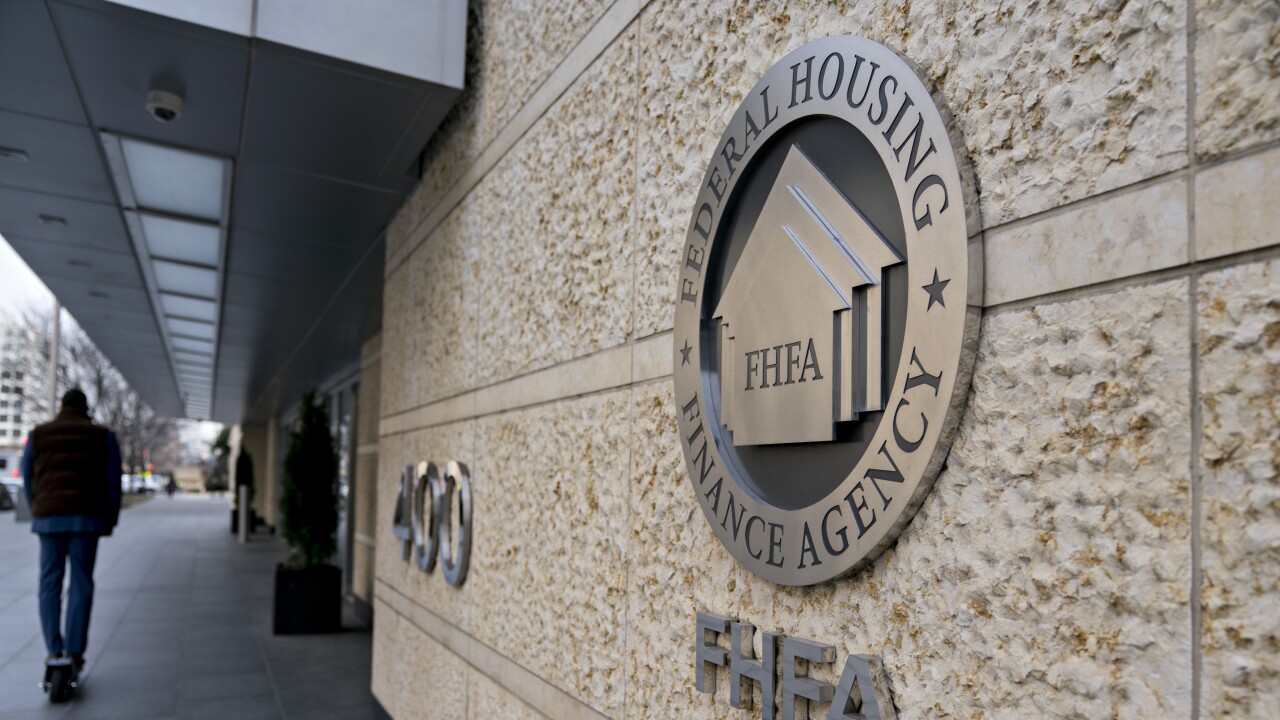
-
Additional mortgage-backed securities purchases by the Federal Reserve Bank of New York will address private investor skittishness about the asset class, but it will not necessarily lower rates.
March 20
-
Not so long after Treasury bond yields experienced an unprecedented drop, the average 30-year mortgage rate rose, reflecting volatility related to the coronavirus as well as capacity issues on multiple levels.
March 12
-
Terry Wakefield, a technology consultant who helped launch Fannie Mae's mortgage-backed securities business and form Prudential Home Mortgage, has died. He was 70.
March 11


