-
Analysts look at whether the FOMC will bring the last rate hike in the cycle, whether recession is coming, and whether the Fed is making a policy mistake.
 July 24
-
One asset manager recalled the prelude to the global financial crisis and the 2001 dot-com bust, when companies that loaded up on debt when costs were low got hit with a steep bill years later.
July 17
-
The bond market's reenergized bulls may want to dial down their excitement, because their fortunes hinge on whether an abstract, almost elusive number, is as low as they assume.
July 13
-
High interest rates could dampen demand for refinancing, which took a hit during the pandemic-era pause in federal student loan payments. "Curb your enthusiasm," one analyst said.
 July 10
-
Bond traders have overestimated month-over-month headline inflation heading into four of the last seven Consumer Price Index releases, says strategist Raghav Datla.
June 12
-
When the once-ubiquitous interest rate goes away at the end of June, some businesses that have older loans may see a sudden jump in their payments. Banks, lawyers and business leaders are doing last-minute work to avoid that scenario.
 June 1
-
Financial tightening stemming from two recent bank collapses has served as its own check on inflation, according to Federal Reserve Chair Jerome Powell. He said the relatively small rate hike announced Wednesday was not the result of financial stability concerns.
 March 22
-
Ahead of this week's Federal Open Market Committee meeting, where it is expected to enact another large rate hike, 11 lawmakers sent a letter to the central bank, urging it not to go too far.
November 1
-
Almost two-thirds of banking executives believe the U.S. will see its highest interest rates this cycle in the first half of next year. And close to 60% of executives said they are concerned the Federal Reserve is hiking rates too quickly.
 October 18
-
The Pittsburgh company's finance chief expects more gains in interest income, though he conceded rising deposit costs could curb the pace of advances.
October 14
-
During a visit to Buffalo on Friday, New York Federal Reserve President John Williams said the central bank may need to keep cranking up interest rates to gain greater control over high inflation.
 October 7
-
Fed Chairman Jerome Powell brushed off concerns that rapidly tightening monetary policy could disrupt the financial system. Some economists and policy experts beg to differ, raising concerns about loan defaults or even the collapse of a key institution or counterparty.
July 29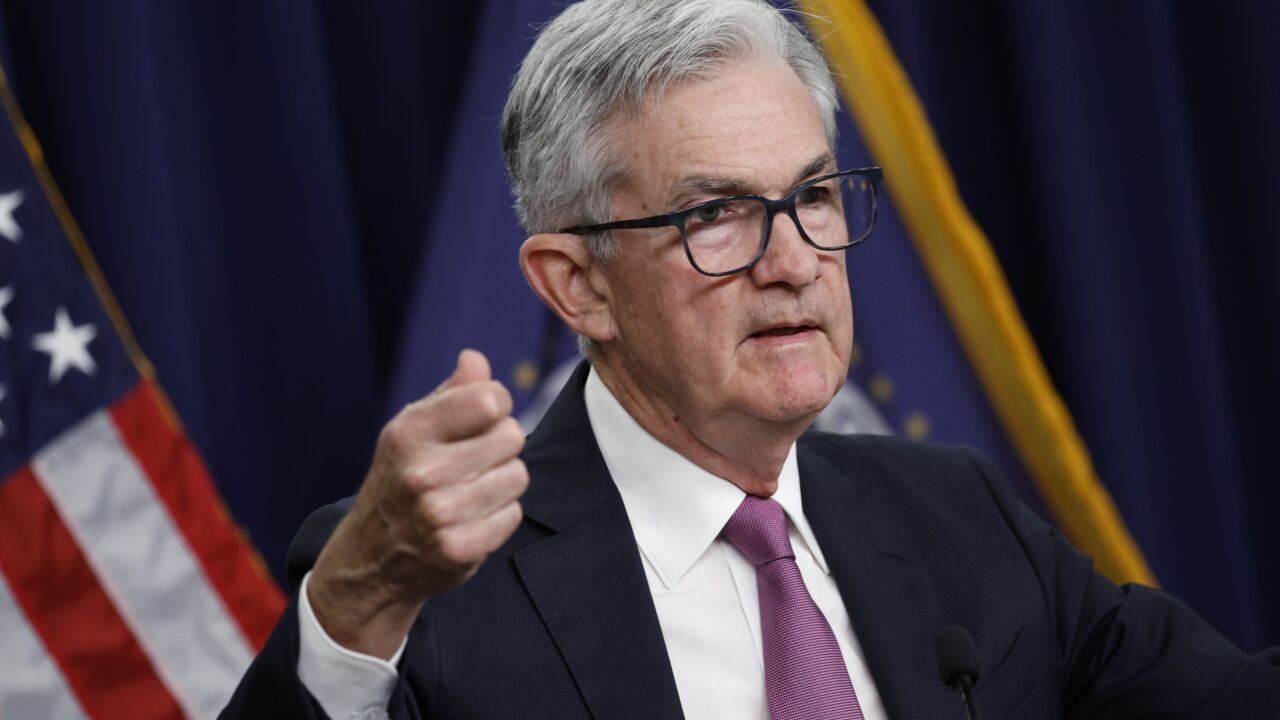
-
Wells Fargo, U.S. Bancorp, Truist Financial and PNC Financial were among the banks that said they are raising their prime lending rates from 4.0% to 4.75%.
June 15
-
The Federal Reserve’s forceful moves to fight inflation are resetting expectations about how quickly banks will need to start raising their deposit rates.
May 13
-
In a recent survey, just over half of community bankers expressed concern that the central bank will harm the U.S. economy by raising rates too fast in its quest to contain inflation.
April 28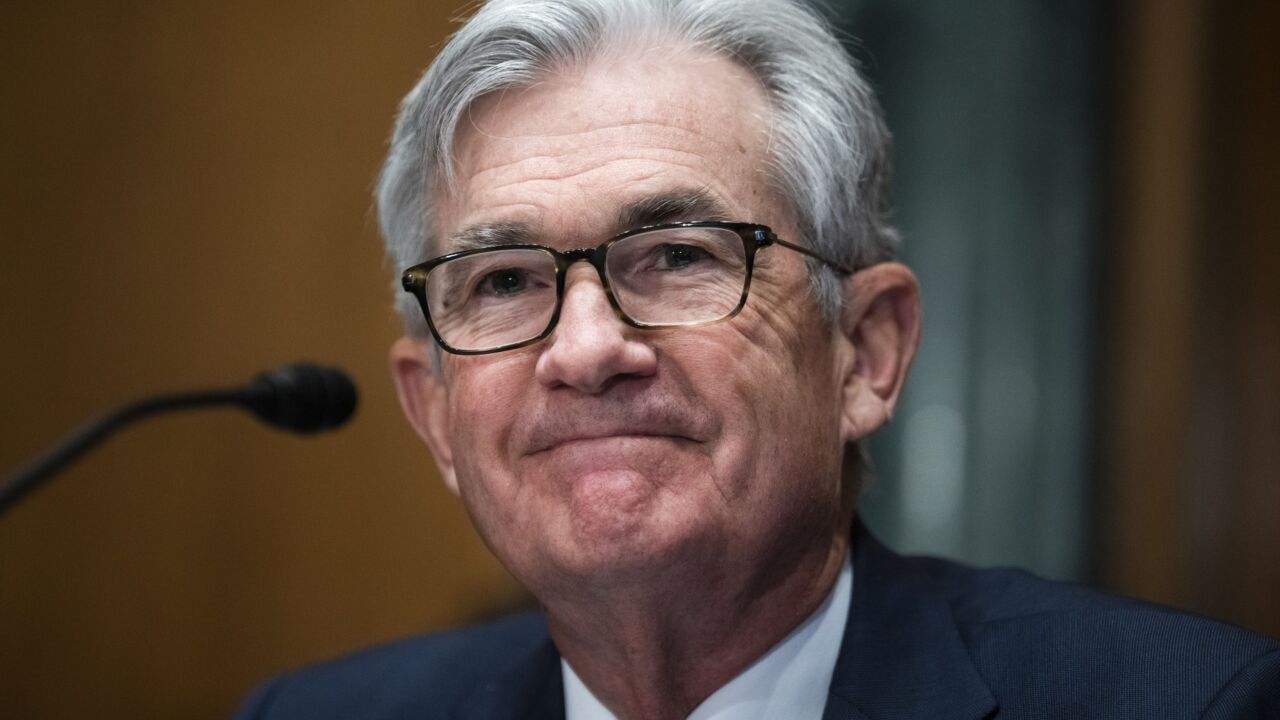
-
U.S. central bankers should move expeditiously and raise interest rates to neutral — the level which neither speeds up or slows down the economy — by the end of the year, Federal Reserve Bank of San Francisco President Mary Daly said.
April 20
-
The Federal Reserve’s most hawkish official cracked open the door to discussing the first 75-basis-point interest rate hike since 1994, a move economists say would be a last resort in case inflation further spirals out of control.
April 19
-
The Federal Reserve may need to raise interest rates “significantly” higher than it currently expects to cool an overheated U.S. economy, Goldman Sachs Chief Economist Jan Hatzius said.
April 8
-
Esther George, president of the Federal Reserve Bank of Kansas City, says changes in the office sector and monetary policy pose potential risks to property owners and their lenders.
March 30
-
The move away from the scandal-plagued London interbank offered rate is going smoothly, according to a new survey of lenders and corporate borrowers. But many customers still face operational challenges ahead of a mid-2023 deadline for switching older loans.
March 20


