-
This is the first RTL transaction for Roc360 Real Estate Income Trust, the deal's sponsor, in three years. Also, it is Roc360's first rated RTL transaction.
 October 24
-
The Federal Housing Finance Agency issued a proposed rule for the Federal Home Loan Bank System that allows the FHFA director to set "reasonable" board compensation.
 October 21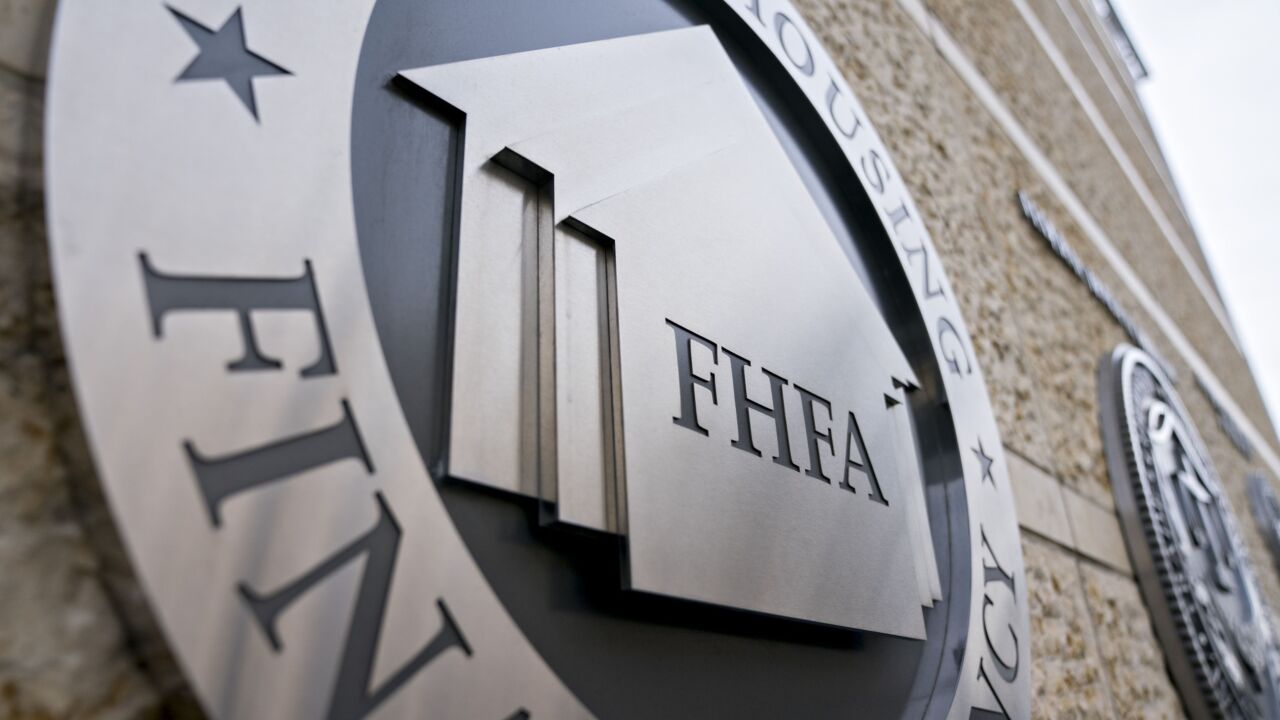
-
The notes can withstand breakeven default levels of 73.38%, 57.8%, 40.71% and 34.17%, respectively. Those levels surpass the loss multiples of its expected 20.7% in cumulative gross defaults.
October 17
-
The Federal Home Loans Bank System is under pressure to fund more affordable housing and has several proposals that may work in tandem with Vice President Kamala Harris' goal of building three million new units in her first term.
September 19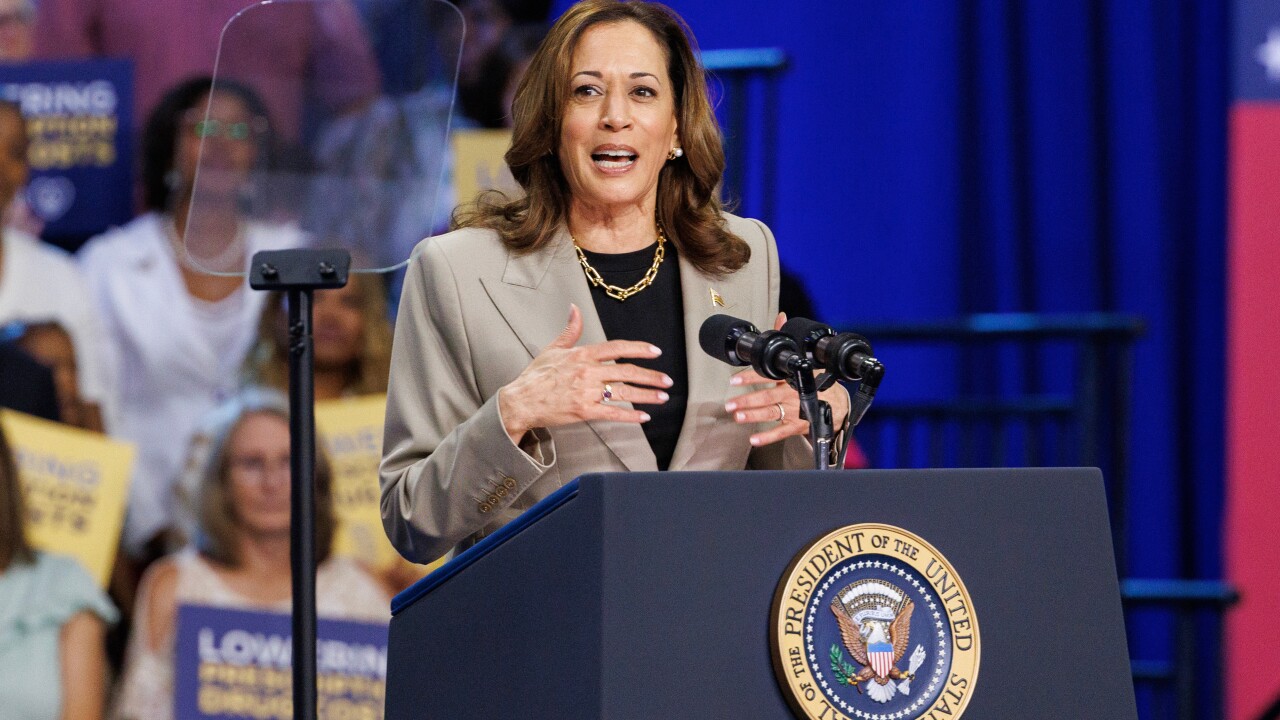
-
Apartment buildings, which make up about 40% of the looming maturities, are at the center of the refinancing wave. Many U.S. owners bought their properties using three-year floating rate loans during the easy money era.
September 12
-
Vice President Kamala Harris outlined a raft of populist economic proposals in her first major economic speech since securing the Democratic presidential nomination, including some aimed at lowering housing costs and boosting supply.
 August 16
 -
While the total dollar volume of apartment originations fell last year, the number of companies making loans increased from 2022, the Mortgage Bankers Association said.
 August 15
-
Retail properties account for the largest portion, at 23.5%, according to KBRA. Lodging follows, with 22.1% of the pool.
August 14
-
Democrats Ritchie Torres and Gregory Meeks called on the New York Home Loan bank to follow the lead of its peers and use alternative credit scoring models for collateral to improve consumers' access to homeownership.
 August 9
-
First Foundation in Dallas recently got a $228 million capital injection led by Fortress Investment Group. Now it's announced plans to pivot away from its heavy focus on multifamily loans, which lost value as interest rates rose.
 July 26
-
The guidance is largely unchanged from what the agencies proposed last year. It directs institutions to craft policies that consider a wide array of potential shortcomings.
 July 18
-
For at least the fifth consecutive quarter, the Providence, Rhode Island, company increased its allowance for credit losses on general office loans, which continue to be a problem area for banks.
 July 17
-
The Federal Reserve's struggle in bringing inflation down from its current level to its 2% target may come down to how the government measures shelter costs in the U.S., leading some experts to question whether the problem is in the economy or in how it is measured.
July 4
-
A decline in interest rates during the first quarter drove a Freddie Mac indicator higher for the first time since mid-2023, while a leading investment firm announced a deal aimed at boosting originations for government-sponsored enterprise financing.
June 14
-
Federal Reserve Chair Jerome Powell says crushing inflation is the most important thing the Fed can do to reduce costs in the housing market. Some economists and policy specialists say higher rates are not the only tool at its disposal.
June 14
-
In talks with OCC officials, "it became obvious that we would not gain near-term approval given their recent experience with multifamily and CRE positions," FirstSun CEO Neal Arnold says. The companies announced other revisions to their deal, too.
May 3
-
The deal has a relatively high exposure to commercial and industrial customers. Non-residential ratepayers account for 55% of its customers and about 47% of its revenue.
February 15
-
The public retirement fund, one of the biggest in the US, said four years ago it would review all of its fossil-fuel holdings as it sought to reduce investment risks linked to climate change.
February 15
-
She cited the increase in interest rates, higher vacancy rates thanks to shifting work patterns triggered by the pandemic and a wave of commercial real estate loans coming due this year.
February 6
-
The share of loans in Arbor's CLOs that failed to make a scheduled payment more than doubled in the fourth quarter, according to preliminary data compiled by Banco Santander SA.
February 2


