-
The effects on nonbanks will depend on the mix between their production and servicing operations, Fitch Ratings said.
 June 1
-
Privately securitized mortgages made by these institutions have already exceeded 2021 levels, however some of the collateral lacks income verification, according to a new KBRA report.
 May 31
-
Mortgage companies selling loans to the government-sponsored enterprise will be able to use the information for one type of employment check as well as to validate income and assets.
May 27
-
Pingora Loan Servicing still hasn’t disclosed the full scope of last fall’s hack impacting at least 169,000 customers across four states.
 May 24
-
Depository originators lose 68 cents per $1 more than their nondepository competitors.
May 17
-
The move supports strong gains coming in from this side of the business, which helped the company return to profitability in the third quarter.
May 5
-
While first-quarter profits were up considerably, CEO Michael Nierenberg said the company will offer more products to counter market conditions that are “only going to get worse.”
 May 3
May 3
-
Fair value increases on existing business and an accounting change made for troubled debt restructurings likely explain why its results contrasted those of competitor Freddie Mac.
May 3
-
While the government-sponsored enterprise’s single-family mortgages are still not performing as well as they did before the pandemic, the most recent vintages are getting there.
May 2 -
While the lender-servicer reported robust Q1 earnings, it is anticipating lower future revenue due to the tight originations environment.
April 29
-
Strong general unemployment gains, student loan deferrals and borrowers enjoying low interest rates secured in the refinance boom contributed to the positive gains.
April 25
-
The government-sponsored enterprise has already done twice as many of these deals as it did during all of 2021.
April 20 -
Servicing gains failed to offset steep origination declines at the bank, which continues to battle allegations of racial discrimination.
April 14
-
The gain on sale from first quarter originations increased as the bank shifted more volume share to the higher-margin channel.
April 13
-
But it was the second-most successful year ever for IMB originations since the Mortgage Bankers Association began collecting this data in 2008.
April 11
-
The Eleventh Circuit Court of Appeal split hairs and said each allegation must be examined to see whether it was not covered by the National Mortgage Settlement.
April 8
-
The Consumer Financial Protection Bureau argues borrowers in the case had a right to answers even if the inquiries were origination related and foreclosure litigation was pending.
April 5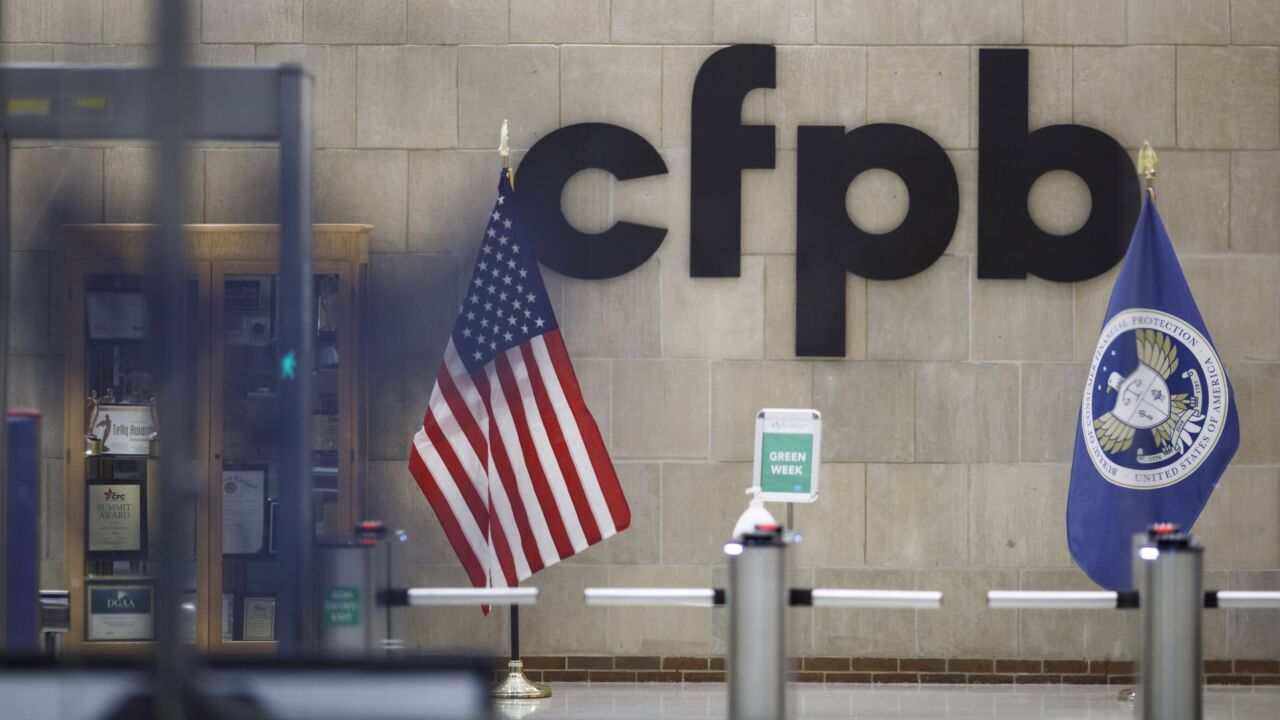
-
The new futures contracts can be used to mitigate risk on both the origination pipeline and the mortgage servicing portfolio.
March 31
-
More than half of the seriously delinquent mortgages that did not have this type of payment relief were originated prior to ability-to-repay requirements enacted following the Great Recession, the latest Federal Reserve Bank of Philadelphia study found.
March 25
-
While smaller in number, initiated foreclosures had a similar consecutive-quarter gain as the market transitioned away from pandemic-related relief that has artificially constrained workout activity.
March 23


