-
Higher energy and commodity prices are intensifying headline inflation, which means inflation is headed is not headed in the right direction.
 May 22
-
The 30-year rate increased six basis points to 5.18% on Tuesday, a level last seen on the brink of the global financial crisis in 2007, rising alongside US government yields across maturities.
May 19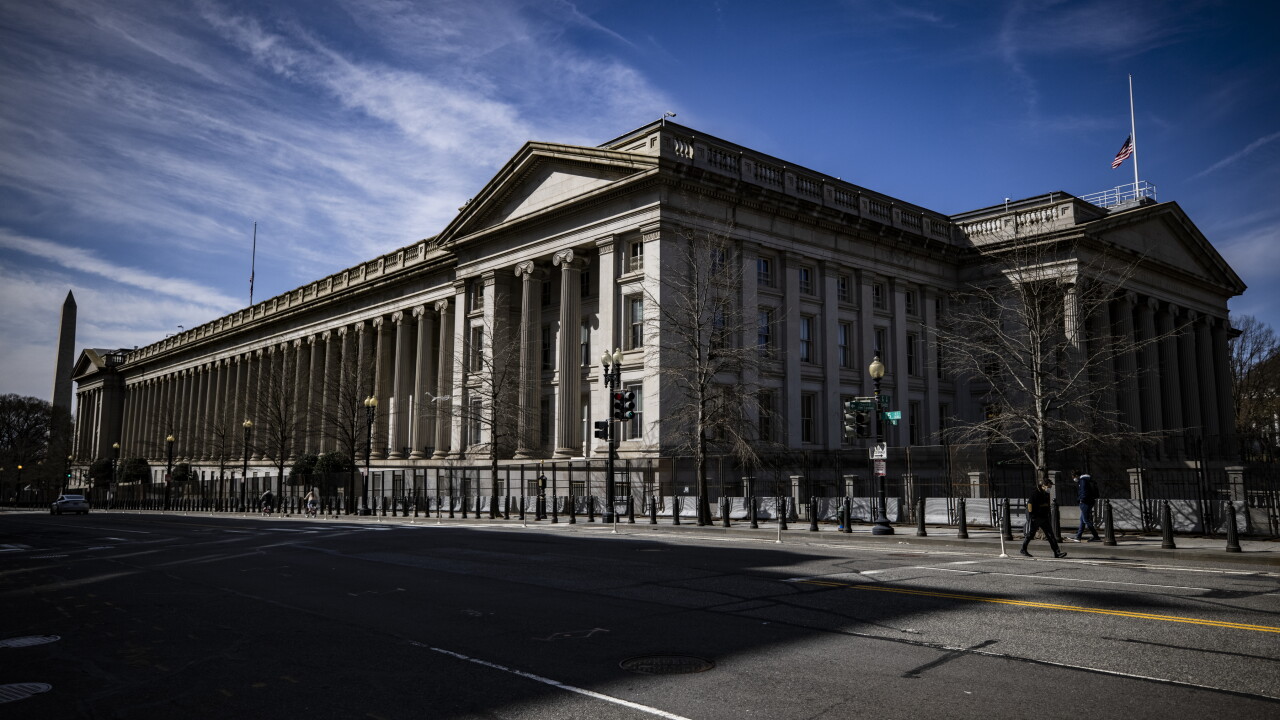
-
Warsh won the race for Fed chair partly through sketching out a road map to rate cuts on the premise that an AI-driven productivity boom would keep inflation low.
May 1
-
Federal Reserve Gov. Stephen Miran Thursday said that the Iran war and tariffs will not have long-term impacts on inflation, but did say he is reconsidering his rate cut outlook for the year.
 April 16
-
The setback pared a weekly gain for US government bonds sparked by an April 8 ceasefire agreement, which caused oil prices to tumble from near multiyear highs.
April 10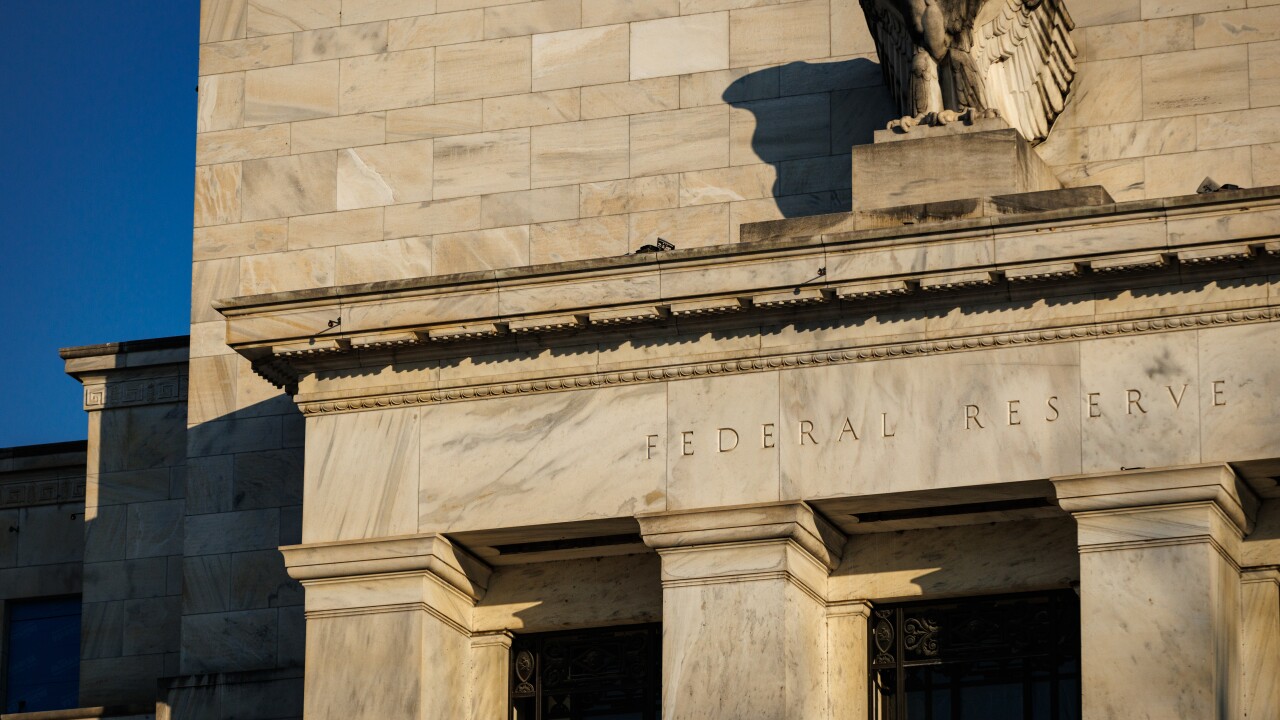
-
A 21.2% spike in the price of gasoline was the biggest contributor to a 0.9% increase in the Consumer Price Index in March, according to a Friday report from the Bureau of Labor Statistics. The agency said other price increases were largely contained.
 April 10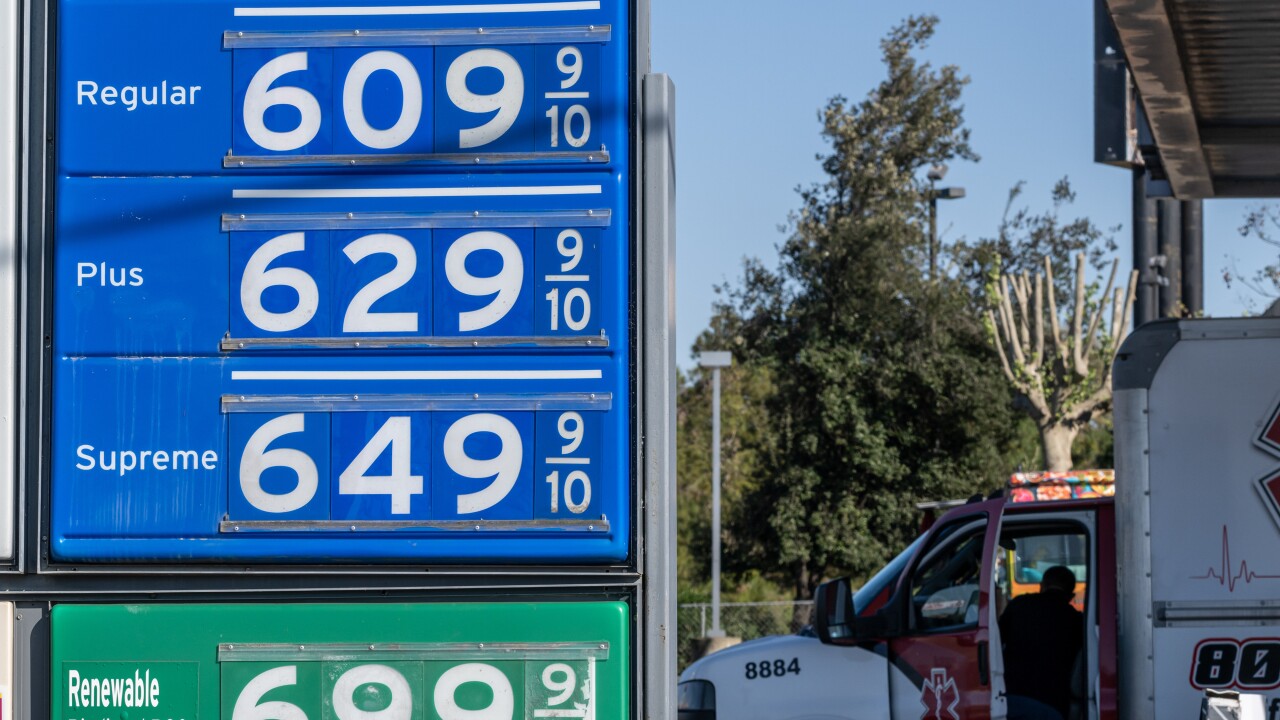
-
Treasuries and gilts especially reflect unrealistic expectations that inflationary pressures will goad central banks into another 2022-style rate-hiking cycle.
April 7
-
Two former members of the Federal Open Market Committee said in interviews that they expect the Federal Reserve to keep rates steady amid uncertainty over the ongoing war with Iran and the resulting upward pressure on inflation.
March 27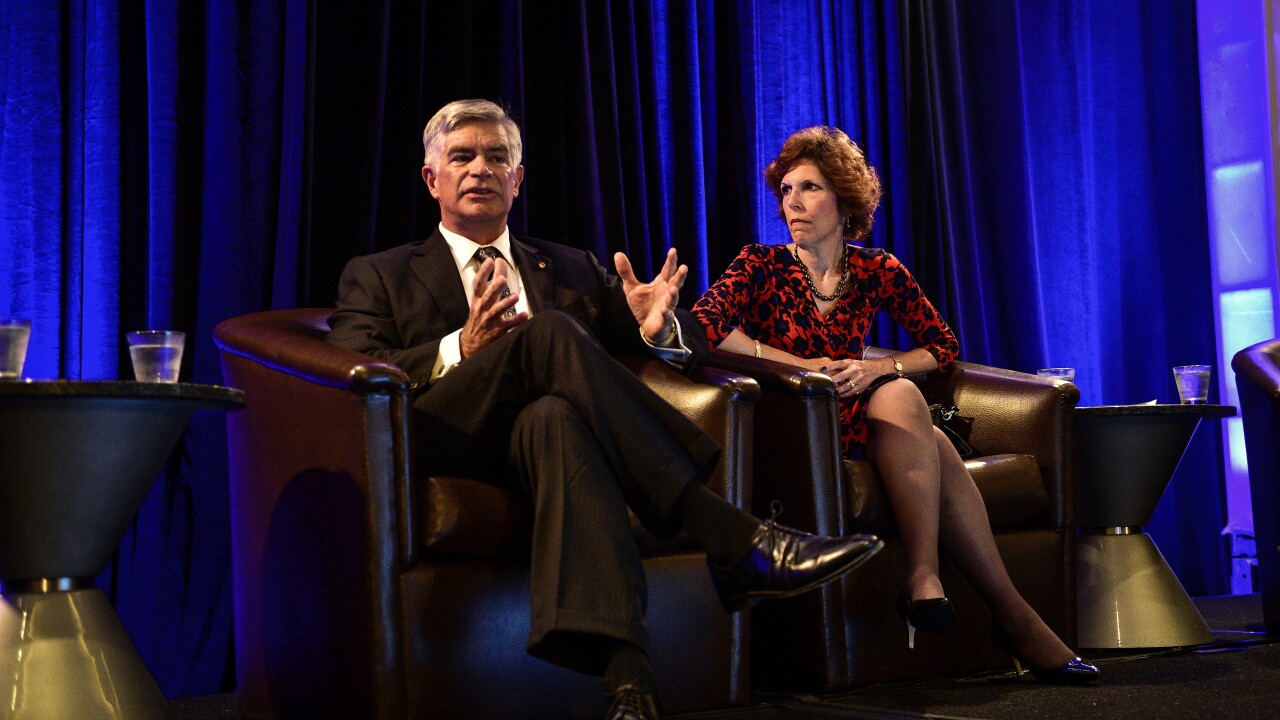
-
Since the meeting, investors have rushed to price in higher rates as inflation fears have built in financial markets, though Treasuries rallied Monday after President Donald Trump said he would postpone strikes on Iranian energy infrastructure.
March 23
-
The Fed, European Central Bank and the Bank of England all held rates this week as policymakers grapple with the uncertain outlook for inflation and growth arising from the conflict in the Middle East.
March 20 -
Traders are now fully pricing in the next quarter-point rate reduction in mid-2027, and a growing chorus of Wall Street economists have also pushed their calls for the next cut further out the calendar.
March 14
-
This month's slump in Treasuries "is really a deleveraging dynamic," with traders liquidating long positions as they price in fewer Fed cuts and the risk of hotter inflation.
March 11
-
Treasury yields are up almost a quarter percentage point since the war in Iran started, while traders have pushed back bets on the timing of the Federal Reserve's next interest-rate cut and hikes.
March 9
-
The path of US interest rates remains in focus following the slower-than-expected US inflation print as traders fully price a Fed cut in July.
February 16 -
Yields across maturities declined by at least three basis points Friday, led by shorter-maturity tenors that are most sensitive to Fed rate changes.
February 13
-
Federal Reserve Vice Chair Philip Jefferson said in a speech Friday that long-term productivity gains brought on by artificial intelligence could compel the central bank to maintain higher rates to keep prices stable.
 February 6
-
Federal Reserve Gov. Lisa Cook said in a speech Wednesday night that the central bank's credibility depends on its ability to bring inflation back to its 2% target.
February 4
-
The Bureau of Labor Statistics Thursday indicated that the Core Consumer Price Index indicated that inflation rose by only 2.7% in November versus a year ago, a pace that is the slowest rate of price increases since 2021.
December 18
-
Bessent spoke a week after Democrats won several key elections by zeroing in concerns over the cost of living, including housing, groceries, utilities and health care. Trump himself has rebuffed such concerns.
November 11
-
The Bureau of Labor Statistics released its latest Consumer Price Index reading Friday morning, showing inflation rose by 0.3% in September, slightly below August's pace. The report also found core inflation steady at 3.0%, even as shelter costs eased and gasoline prices spiked.
October 24


