-
The agency is still moving forward on key regulations dealing with payday lending and mortgage underwriting despite new demands posed by the crisis.
April 15
-
After budget cuts and a strategic transition, the interagency body conceived by Dodd-Frank to identify systemic threats has largely been silent as the pandemic roils the economy.
March 31
-
The central bank's sweeping actions suggest a cash shortage gripping sectors directly hit by the pandemic. Banks were supposed to be protected by Dodd-Frank but are still vulnerable to a funding domino effect.
March 23
-
Refinancing activity is surging, existing borrowers are inquiring about loan modifications, loan closings are being delayed by more complex credit checks — and banks are short on people to handle it all.
March 19
-
If banks are unable to weather the economic fallout from the outbreak, calls for more dramatic reforms could get louder.
March 13 IntraFi Network
 -
The agency's effort to engage with lawmakers on a whistleblower award program is one of three initiatives the bureau announced to advance its strategy of preventing consumer harm.
March 6
-
The court’s liberal bloc and Chief Justice John Roberts, who holds a crucial swing vote, appeared reluctant to remove a contentious provision that limits a president’s ability to fire a sitting director of the bureau.
March 3
-
John Roberts could play a familiar role as the swing vote in determining whether the Supreme Court curbs the consumer bureau’s power.
March 2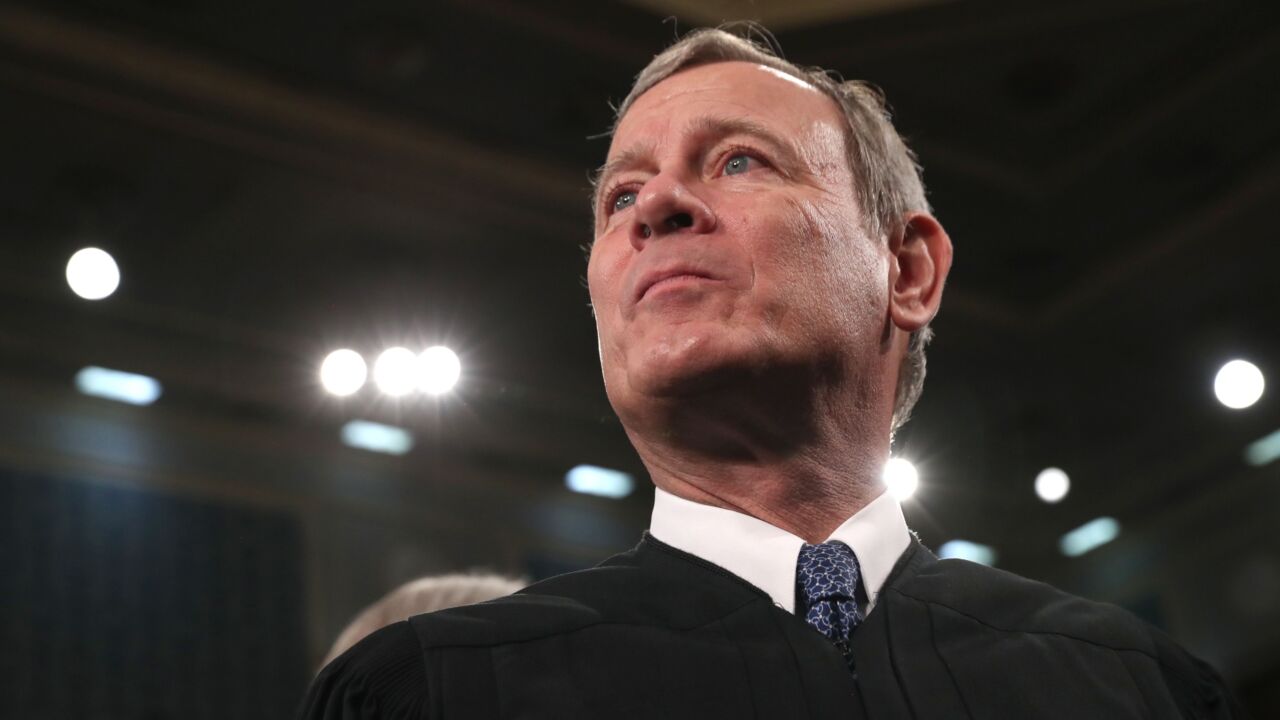
-
The release of Richard Cordray's retrospective of his tenure will come one day before the Supreme Court hears a pivotal case about the leadership structure of the agency.
February 27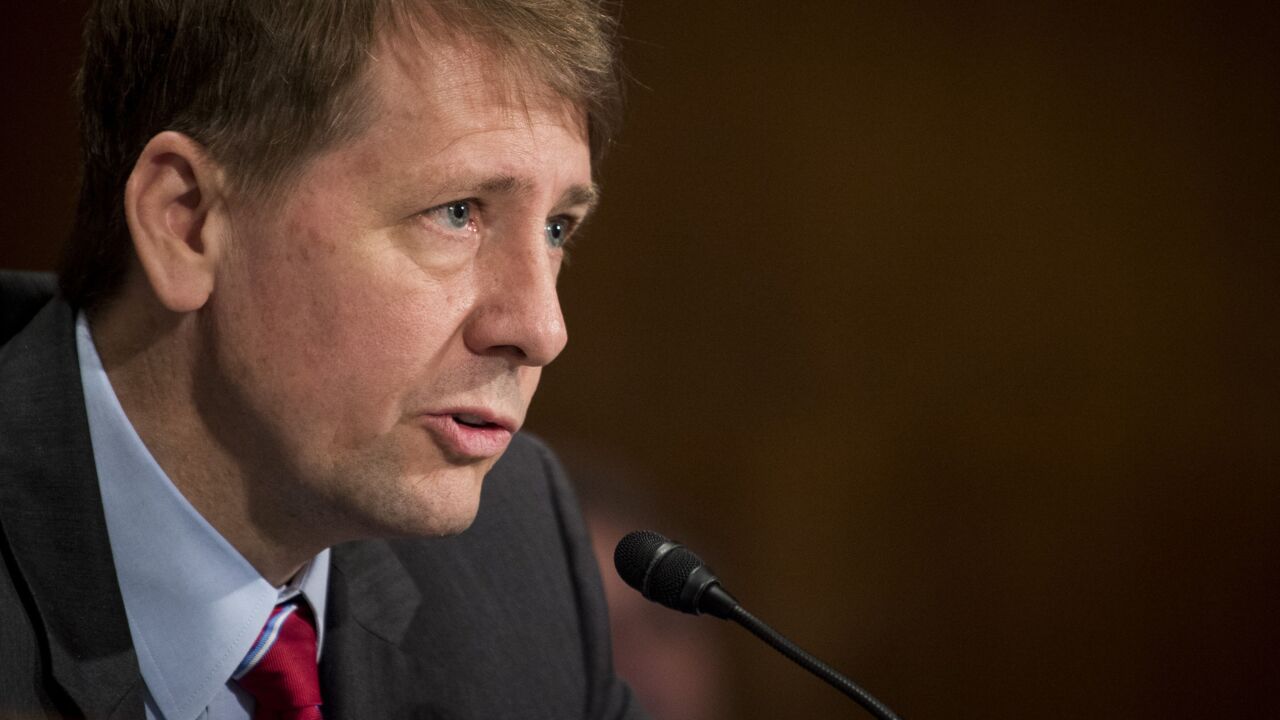
- asr daily lead
A proposed change could resurrect bond buckets, but loan industry observers also point to "covered fund" changes shielding loans from a potentially disruptive court decision.
February 18
-
Members of the House Financial Services Committee chastised Kathy Kraninger for not supervising student loan servicers and failing to examine firms for compliance with the Military Lending Act.
February 6
-
In a letter to CFPB Director Kathy Kraninger, the Democratic senators argue that task force members cannot be trusted to protect consumers because they have represented payday lenders or Wall Street banks, or worked at law firms that did so.
February 5
-
In the past, the agency cited the legal term in enforcement actions without stating what it meant, but Director Kathy Kraninger has sought to give the industry clearer guidance.
January 24
-
Democratic lawmakers, state attorneys general and others filed briefs with the Supreme Court rebutting claims that the agency’s leadership structure is unconstitutional.
January 24
-
Regulators already finalized a rollback of the proprietary trading ban section of the rule but signaled then that their overhaul was not finished.
January 23
-
The Supreme Court appointed Paul Clement to represent the agency after the bureau’s current director questioned its constitutionality.
January 15
-
The case before the court deals mainly with a statutory clause limiting the president’s ability to fire a CFPB director. But briefs filed with the court say striking that provision does not fully solve the bureau’s constitutional problems.
January 2
-
The Consumer Financial Protection Bureau faces a busy policy agenda heading into the new year, as well as strong external forces that are beyond its control.
December 23
-
The high court scheduled oral arguments on March 3 in the lawsuit dealing with a president's ability to fire the head of the Consumer Financial Protection Bureau.
November 26
-
Democracy Forward filed the lawsuit Monday against the consumer bureau, Director Kathy Kraninger, the U.S. Department of Education and Education Secretary Betsy DeVos.
November 25


