-
Sens. Sherrod Brown, D-Ohio, and John Kennedy, R-La., have reintroduced their ILC bill that would subject companies that hold an ILC charter to similar oversight as traditional banks, while measures to cap interest rates and ban 'trigger leads' have also been introduced.
 December 15
-
A near-final framework released this week would increase capital requirements for England's largest banks by 3.2%, far less than the uptick proposed for U.S. and European banks.
 December 15
-
While mortgage assumptions are on the rise, so too are complaints leveled against mortgage servicers for how they handle the loans. A common refrain is that the companies are moving too slowly.
December 12
-
The Federal Deposit Insurance Corp. said Monday it has hired Cleary Gottlieb Steen & Hamilton to conduct an independent review of its workplace culture amid allegations of rampant sexual harassment in the workplace.
 December 11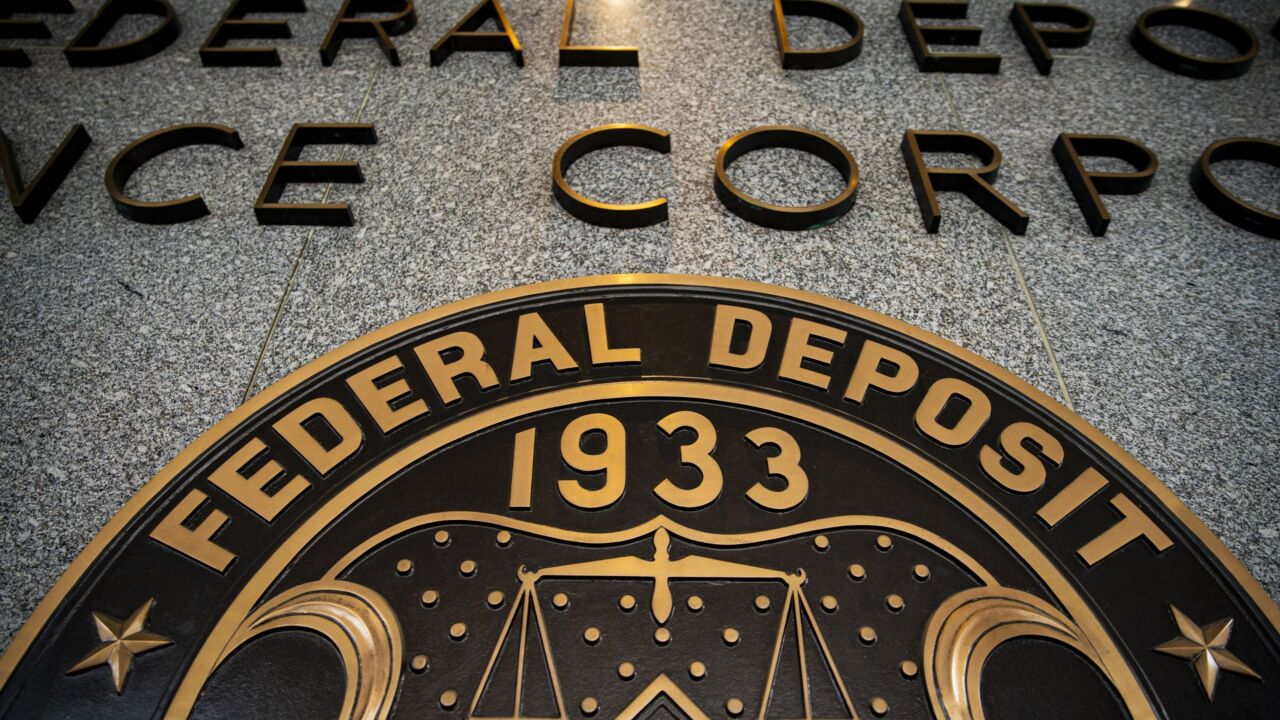
-
A provision to standardize and clarify banks' operational risk obligations — which opponents say is excessively costly and may not be effective — is emerging as the focal point of the public debate on the broader rule. It may also be the key to taking the rule over the finish line.
December 7
-
Led by Senate Banking Committee ranking member Tim Scott, R-S.C., GOP members of the Senate Banking Committee say they have concerns about Federal Deposit Insurance Corp. Chairman Martin Gruenberg's leadership ability.
December 7
-
The fireworks that traditionally accompany big bank CEOs' appearances in Congress were absent Wednesday, but instead executives pushed their opposition to the Basel III capital rules and its impact on the economy.
December 6
-
The Federal Reserve's vice chair for supervision said the central bank is weighing regulatory and supervisory changes to liquidity management standards. Current approaches, he said, might not be able to contend with the speed of modern runs.
December 1
-
During a second day of comparatively mild questioning from lawmakers in semiannual oversight hearings, Consumer Financial Protection Bureau Director Rohit Chopra said artificial intelligence could exacerbate existing weaknesses in the financial system without tighter protections.
November 30
-
Financial firms claim a proposal by the Consumer Financial Protection Bureau would restrict lending, raise borrowing costs and result in more denials of credit to consumers.
 November 28
-
The financial services industry has run TV ads during football games and organized lobbying visits by small-business owners in its fight against the Basel III endgame plan to raise capital requirements for larger lenders. The tactics are beginning to show signs of working.
November 20 -
In her first remarks since the release of a sweeping report on the banks, Federal Housing Finance Agency Director Sandra Thompson urges them to strengthen underwriting and communication with their members' regulators.
November 20
-
Three GOP leaders of the House Financial Services Committee, including Chairman Patrick McHenry, say they'll explore possible connections between the agency's alleged "toxic" work culture and its staffing shortages that may have contributed to this year's banking crisis.
November 17
-
The House Financial Services Committee asked Federal Deposit Insurance Corp Chairman Martin Gruenberg tough questions about alleged workplace misconduct at the agency during a Wednesday hearing, while reiterating concerns about a proposed capital hike.
November 15
-
Moderate Democrats on the Senate Banking Committee voiced concerns about the impact of the Basel III endgame proposal on small businesses and minority communities, saying regulators should consider revisions or an extended comment period.
November 14
-
Senate Banking Committee ranking member Tim Scott, R-S.C., released one of his first major public bank policy pushes in months after formally suspending his presidential campaign.
November 13 -
Often a harbinger of recessions, the fact that short-term yields are higher than long-term is not inherently bad, Federal Reserve Gov. Chris Waller said Tuesday, noting that in this case it could prove that market expectations are anchored.
November 7
-
Heads of the three major bank regulatory agencies made their case for why the recently finalized framework implementing the Community Reinvestment Act is not all bad for the banks subjected to it.
November 6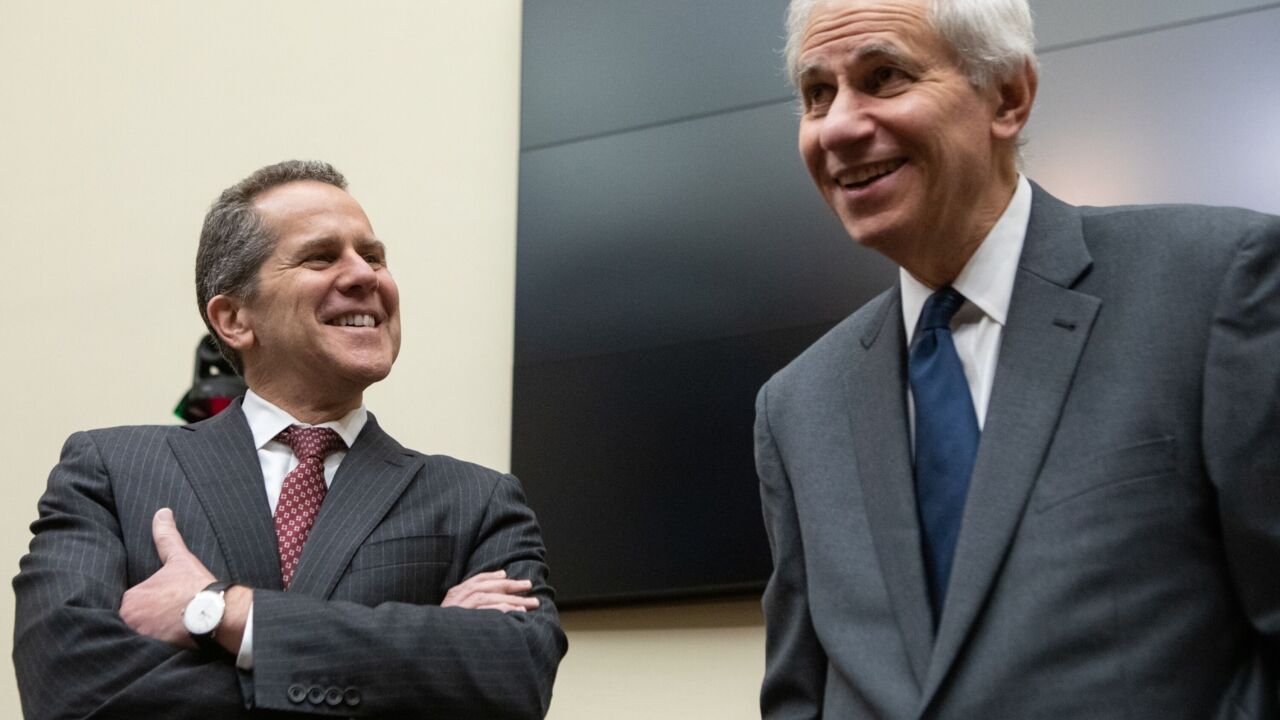
-
Federal Reserve Vice Chair for Supervision Michael Barr says that while there has been some opposition to the recent overhaul of Community Reinvestment Act regulations, he expects that banks, supervisors and communities will adapt and thrive once it's fully implemented.
November 3
-
Rep. Andy Barr, R-Ky., a senior Republican on the House Financial Services Committee, said he intends to press Federal Reserve Chair Jerome Powell to refine the Basel III capital proposal before it is finalized.
October 25


