-
Dave Uejio, acting director of the Consumer Financial Protection Bureau, promised to protect veterans from predatory loans and to crack down on companies that improperly garnish stimulus checks or mistreat struggling borrowers.
 January 28
-
Now that Democrats have won control of the Senate following the Georgia runoffs, experts say tax increases, progressive regulators and stricter congressional oversight await. Still, there could be some positives for banks, too.
 January 7
-
The agency said Omni Financial in Las Vegas illegally required service members to designate a portion of their paychecks to repay loans, depriving of them of other payment options.
December 30
-
The Consumer Financial Protection Bureau has taken a hands-off approach to servicers during the pandemic. But with forbearance plans set to expire and President-elect Biden likely to appoint new CFPB leadership, companies lacking aggressive plans to help borrowers could face tougher enforcement.
December 8
-
The three companies agreed to pay a total of $74 million in remediation.
 December 7
-
The agency’s consolidation of supervision and enforcement policy into one office could compromise the independence of those deciding when to investigate alleged wrongdoing by banks and others, critics of the move say.
October 22
-
Customers suffered when they were placed in mortgage relief plans without their consent, the Massachusetts senator says. She urged the Federal Reserve to take the blunder into account as it weighs when to lift other sanctions against the bank.
 October 1
-
A proposal to expand consumer protections in the state was added to a budget bill after being dropped in June. Financial institutions say the measure conflicts with federal law and are working behind the scenes to stop it.
August 14
-
The court struck down a 2015 update to the Telephone Consumer Protection Act, which permitted robocalls to cellphones for government-related debt collection.
July 6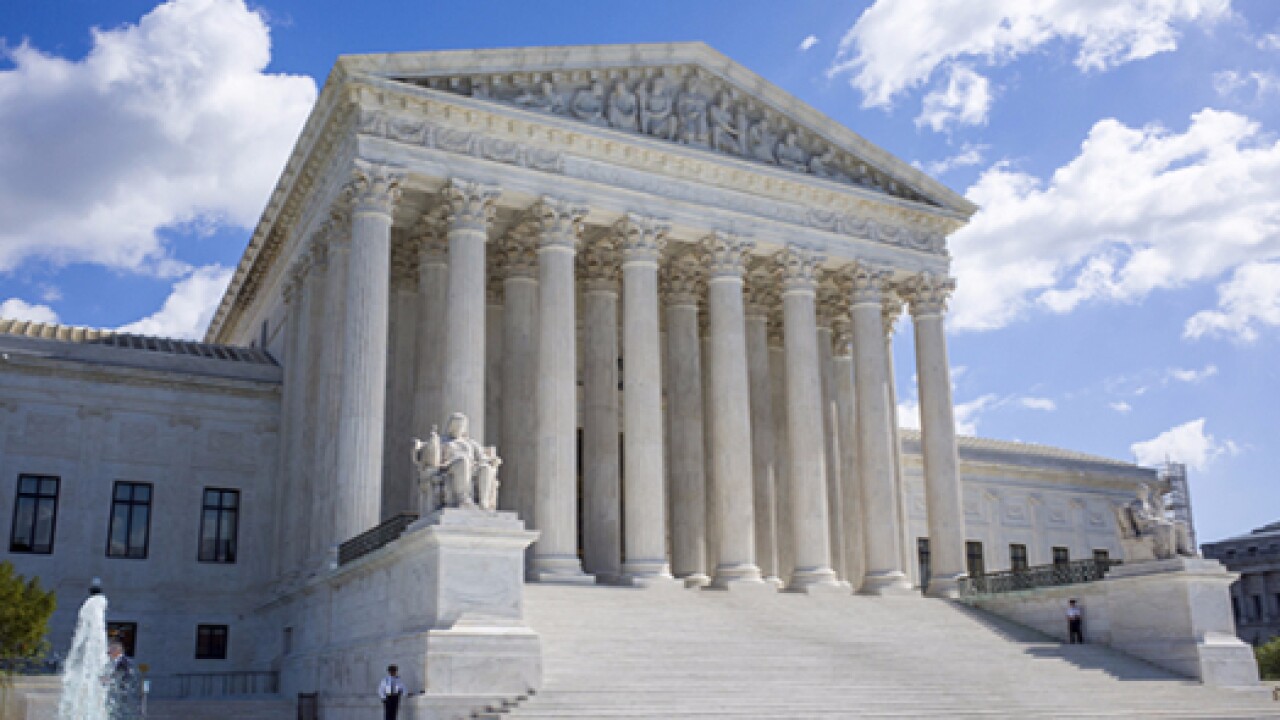
-
The templates are meant to make it easier to obtain agency approval for small-dollar loan products and to accommodate mortgage servicers that want to provide online loss mitigation options.
May 22
-
Five Democrats on the Senate Banking Committee sent a letter to Director Kathy Kraninger calling the agency's response to COVID-19 “tepid and ineffectual at best.”
April 7
-
The agency said lenders should avoid reporting delinquent payments to credit bureaus for consumers who have sought payment relief due to the pandemic.
April 1
-
The reprieve from mortgage data collection was among several changes to the agency’s supervisory and enforcement procedures to help firms responding to the COVID-19 pandemic.
March 26
-
Sens. Sherrod Brown and Elizabeth Warren criticized Director Kathy Kraninger for not issuing any public enforcement actions against auto lenders during her tenure.
March 17
-
The Trump administration proposes cutting personnel and other budgetary items at the bureau, while the agency’s director — who controls the purse strings and was hand-picked by the administration — aims to boost spending and hire more employees.
February 20
-
Members of the House Financial Services Committee chastised Kathy Kraninger for not supervising student loan servicers and failing to examine firms for compliance with the Military Lending Act.
February 6
-
The two agencies said they will exchange student loan complaint data after their information-sharing efforts had been in limbo for over two years.
February 3
-
The agency has named Thomas G. Ward as the bureau’s assistant director for enforcement. House Democrats have questioned Ward's role as a political appointee in the Trump administration.
January 30
-
Lenders contend the proposal goes beyond policing third-party debt collectors and could expose banks to enforcement actions and lawsuits.
 November 25
-
All Democrats supported the bill focused on the decisions of former acting CFPB Director Mick Mulvaney, while all Republicans opposed it.
May 23


