-
The share of borrowers seeking payment relief rose more than tenfold as COVID-19 concerns grew and authorities encouraged the practice, according to the Mortgage Bankers Association.
 April 7
-
The Small Business Administration’s loan processing platform went down Monday for as long as four hours, temporarily halting the ability of lenders to process loans for small business owners seeking relief from the impact of the coronavirus.
April 7
-
The OCC and FDIC are holding off on easing debt limits in response to the coronavirus pandemic, leaving billions of dollars locked up at banking subsidiaries that could be used for lending amid the deepening economic crisis.
April 7
-
Servicers' obligations to advance or temporarily absorb unpaid funds could range from $3 billion to $13 billion per month, according to Black Knight.
April 6
-
Lenders must balance the financial risk of extending credit without explicit backing from the Small Business Administration against the reputational risk of delaying aid for needy borrowers.
April 6
-
The central bank is creating a facility to provide financing to banks participating in the Small Business Administration’s Paycheck Protection Program.
April 6
-
Ginnie Mae and the FHA provided temporary liquidity relief for mortgage servicers bracing for higher delinquencies, but the industry continues to pressure Treasury and the Fed to provide more comprehensive support.
 April 6
-
Sen. Marco Rubio, R-Fla., said that $349 billion will likely not be enough meet loan demand from small businesses seeking a lifeline to help them weather the economic downturn brought on by the coronavirus outbreak.
 April 5
-
Ocwen Financial has approximately $749 million of liquidity from various sources to deal with servicing issues arising from the coronavirus, a company press release said.
 April 3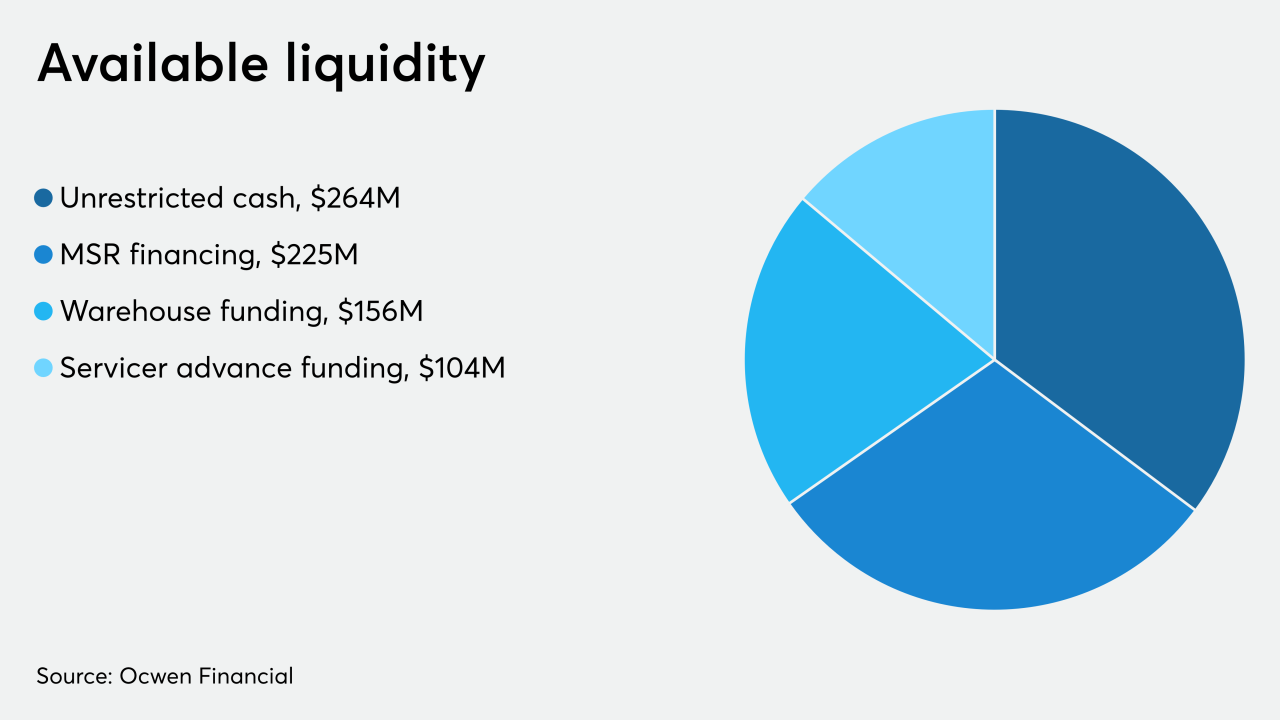
-
Nonbank financial firms spent years lobbying against tougher regulation and stricter capital requirements, arguing they didn't pose a risk to the financial system. Now, many of those companies say they are in desperate need of a bailout.
April 3
-
ABS participants saw markets freeze and were bracing for worse when federal aid provide a short-term respite. The question now: How much trust can anyone put in the medium-term and beyond?
April 3
-
Many bankers find crucial parts of the SBA effort to help businesses hurt by the coronavirus outbreak to be unclear and onerous. If those issues go unresolved, participation could suffer.
April 2
-
Mortgage lenders are preparing for the biggest wave of delinquencies in history. If the plan to buy time works, they may avert an even worse crisis: Mass foreclosures and mortgage market mayhem.
April 2
-
The agencies will give the industry another month to submit feedback on the so-called covered fund portion of the rule "in light of potential disruptions resulting from the coronavirus.”
April 2
-
The change — effective immediately — will reduce capital demands by about 2% overall, the Fed estimated, and will be open for a 45-day comment period.
April 2
-
If Capitol Hill plans another round of stimulus, Democrats could have more leverage to demand steps such as suspending overdraft fees or placing a temporary cap on consumer lending rates.
 April 1
-
The agency said lenders should avoid reporting delinquent payments to credit bureaus for consumers who have sought payment relief due to the pandemic.
April 1
-
Bank of America said it has agreed to allow 50,000 mortgage customers to defer payments for three months because they've lost income as a result of the pandemic.
April 1
-
Federal Housing Finance Agency Director Mark Calabria said a virus-induced financial crisis might give rise to more delinquencies and foreclosures than the 2007 subprime mortgage meltdown.
April 1
-
The collapse of dine-in revenues for restaurant chains during the outbreak is placing whole biz deals under the ratings microscope.
April 1


