-
The agency’s plan to extend the "qualified mortgage" stamp of approval to more loans could help lenders that rely on alternative data and cushion the blow of other QM changes for Fannie Mae and Freddie Mac.
September 2
-
Policymakers have eased some rules and the Supreme Court recently dealt a blow to the Consumer Financial Protection Bureau. But as the landmark legislation approaches its 10th anniversary, the post-crisis regulatory regime has stayed largely intact.
July 13
-
The agency has proposed letting firms seek specific guidance, which can be applied to other institutions. But consumer groups worry the plan circumvents formal rulemaking.
July 1
-
Chris Dodd and Barney Frank said the legislation — nearing its 10th anniversary — put banks in position to be a stabilizing force during the coronavirus crisis.
June 30
-
The new regulation is intended as a workaround for banks affected by the 2015 decision that created legal uncertainty for loans sold across state lines.
May 29
-
The congressional showdown over the pace of rulemaking during the pandemic is a hardening of older positions on banking policy ahead of the 2020 elections, observers said.
May 27
-
The templates are meant to make it easier to obtain agency approval for small-dollar loan products and to accommodate mortgage servicers that want to provide online loss mitigation options.
May 22
-
The move is part of an effort by CFPB Director Kathy Kraninger to help smaller lenders by significantly raising loan thresholds for collecting and reporting mortgage data.
April 16
-
Measures that delay the Current Expected Credit Losses standard and reduce a community bank capital ratio are temporary, but the industry now sees an opening to argue that they should be permanent.
April 7
-
The agencies will give the industry another month to submit feedback on the so-called covered fund portion of the rule "in light of potential disruptions resulting from the coronavirus.”
April 2
-
The 2008 package proved some banks were too big to fail. But the rushed $2.2 billion stimulus shows now any company can be bailed out.
March 31 Polyient Labs
 -
The agency has relaxed some reporting requirements and joined other regulators in encouraging banks to help borrowers, but pressure is building on the bureau to do more to aid consumers suffering financial hardship.
March 30
-
The $2 trillion deal passed by the Senate late Wednesday would aim to put banks and consumers alike on stronger financial footing as they weather the coronavirus pandemic.
March 25
-
One option could be issuing an announcement that makes clear regulators won’t likely object to risky funding arrangements that they’ve previously frowned upon, said the person who requested anonymity because the discussions might not lead to any actions.
March 22
-
John Roberts could play a familiar role as the swing vote in determining whether the Supreme Court curbs the consumer bureau’s power.
March 2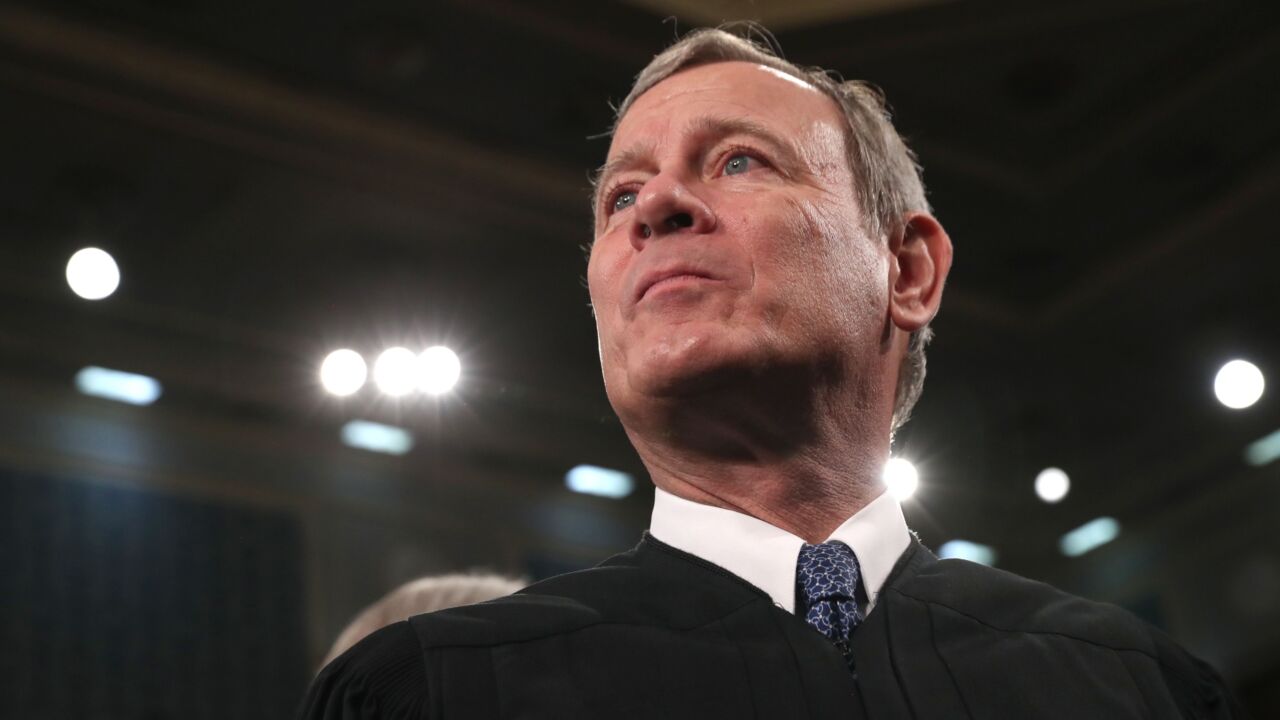
- LIBOR
Federal Reserve Chairman Jerome Powell told senators that the central bank is willing to explore a credit-sensitive interest benchmark in addition to the secured overnight financing rate, which some banks say could cause problems during economic stress.
February 12
-
In a letter to CFPB Director Kathy Kraninger, the Democratic senators argue that task force members cannot be trusted to protect consumers because they have represented payday lenders or Wall Street banks, or worked at law firms that did so.
February 5
-
Now that the Consumer Financial Protection Bureau says it will scrap an unpopular standard for so-called qualified mortgages, the big question is what will take its place.
February 2
-
In another rollback of the bank trading ban, the federal agencies unveiled a plan to allow financial institutions to invest in multiple companies through certain fund structures.
January 30
-
In the past, the agency cited the legal term in enforcement actions without stating what it meant, but Director Kathy Kraninger has sought to give the industry clearer guidance.
January 24


